

The federal budget’s A$2.3 billion for mental health may well make it easier to access services. But there’s no guarantee this will translate to improved mental health in Australia — here’s why.
Articles on Youth mental health
Displaying 101 - 120 of 185 articles

A former student at a therapeutic boarding school, who is now a scholar, explains why she believes a growing outcry is making a difference.

Current mental health services aren’t targeted at young people. The few that are specialise in either complex mental health disorders, or newly emerging ones. We need a place that does everything.

The adolescent brain is particularly vulnerable to experience. Puberty is is the time brain networks are hardwired around milestone events. We should help teenagers make meaning of the pandemic.
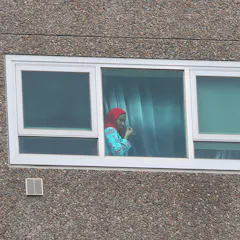
What might the past offer us at this moment, and how will future generations reflect on this year? How will this present become the future’s past?
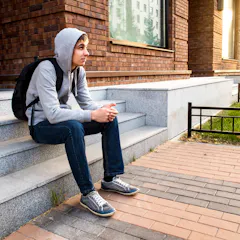
Suicide prevention experts believe parents can engage in an honest and safe conversation about suicide with kids.

High rates of youth mental illness show the urgent need for accessible, affordable and research-backed mental health care. It’s crucial to include young people’s voices in shaping these resources.
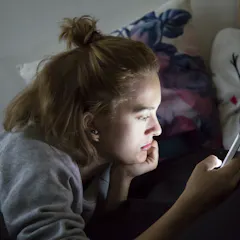
With school closures across 2020, teenagers used mobile phones even more frequently than before. But their use has an effect on their sleep.

The texts in this shortlist demonstrate how young characters have coped with trauma and uncertainty.

Student mental health was already an issue before the pandemic. And then students felt the strain on all fronts as studies went online and they lost jobs and social contacts.
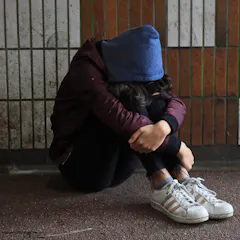
Understanding a family member’s diagnosis can help teens feel less stressed, afraid and alone.

The middle years (between 8 and 14 years old) are a foundational period for development. But these years don’t receive enough support from the education system.

At the age of 22, in 2015, 82% of respondents described their mental health as excellent, very good or good. This fell to 70% at the age of 26 in 2019 — a drop of three percentage points per year.
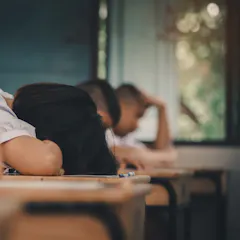
It’s worth recapping what’s known about how Australia’s chaplaincy program has operated so far, and what alternatives exist.
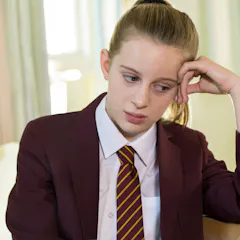
Not all chaplains are religious and Australia’s chaplaincy program actually prohibits preaching or religious practice.
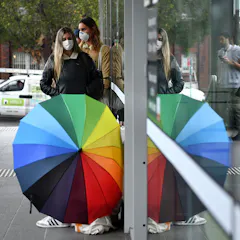
Our data shows 28% workers aged 18-24 lost their jobs due to COVID-19.

Support them but make sure to respect their autonomy; encourage them to exercise, sleep and connect with friends. These are some ways to help your Year 12 child during the pre-exam period.

We know teacher librarians support children’s literacy. But school libraries play a more diverse role, including supporting students’ well-being.

Australia’s relationships and sex education often fails to support the personal and social development of young people.

A group of year seven students showed that relationships most of all – with friends, family and pets – gave their lives meaning.
Top contributors
-

Tier 1 Canada Research Chair in School-Based Mental Health and Violence Prevention, L’Université d’Ottawa/University of Ottawa
-
Professor, Canada Research Chair in Determinants of Child Development, Owerko Centre at the Alberta Children’s Hospital Research Institute, University of Calgary
-
Professor emeritus, The University of Melbourne
-
Professor of Adolescent Health The University of Melbourne; Director, Royal Children's Hospital Centre for Adolescent Health; and Murdoch Children's Research Institute, The University of Melbourne
-
Associate Professor, School of Psychology, Scientist, Children's Hospital of Eastern Ontario Research Institute, L’Université d’Ottawa/University of Ottawa
-
Assistant Professor of Psychology, Wayne State University
-
Professor of Psychiatry, The University of Melbourne
-
Senior Research Fellow in Mental Health, Victoria University
-
Senior lecturer, Monash University
-
Professor of IT Ethics and Digital Rights, Bournemouth University
-
Assistant Professor of Psychiatry, University of Colorado Anschutz
-
Associate professor, RMIT University
-
Lecturer, School of Education, Edith Cowan University
-
Scientia Professor & Head of the School of Psychiatry, UNSW
-
Assistant Professor of School Psychology, University of Dayton