

Wildfires can cause contaminants to seep into waterways, polluting the drinking water that communities rely on.
Articles on Water
Displaying 41 - 60 of 843 articles
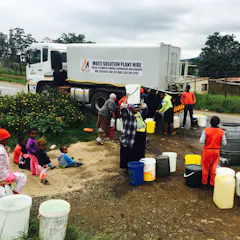
Water tankers are meant for emergencies but are fast becoming the norm for many communities.

Cancer-linked chemicals can remain hidden in drinking water supplies for decades.
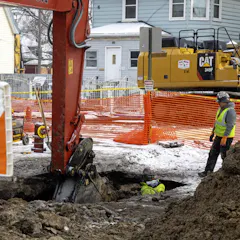
Some Detroit residents spend as much as 25% of their disposable income on water bills. Many are struggling to keep up.

Critics warn Ontario’s new water laws could shift control of public water systems to arms-length corporations, paving the way for private profit at public expense.
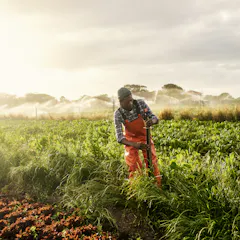
Thousands of hectares of communal land set aside for smallholder farmers’ use in South Africa are lying fallow because of collapsed government irrigation systems.
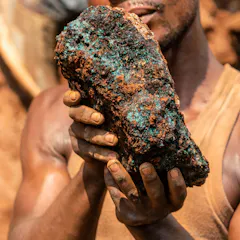
The rapid expansion of critical mineral extraction is trading away human and ecological well-being for technological breakthroughs. There are ways to fix this.
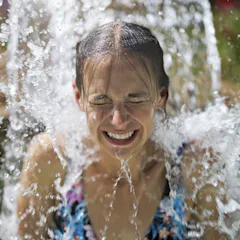
You can feel wet when you can see water and when you can’t see water. You can also feel dry even when there’s a lot of water vapor in the air – like during a fire.
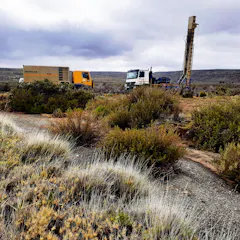
South Africa is moving to regulate groundwater more tightly as demand and climate pressures grow, but the draft rules still fall short in important ways.
As sea levels rise, increasing amounts of salt water are leaking into freshwater supplies worldwide.

Cities have the best chance of reducing water use when people actively participate in water conservation, but even that might not be enough in the future.
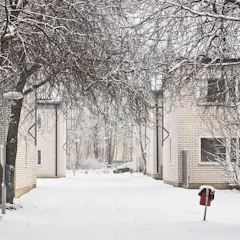
Communal laundries are easy to find in Swedish apartment buildings and can provide a cheap way to do the washing.
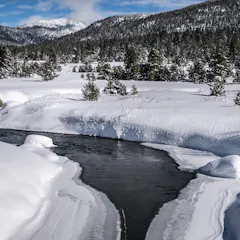
Streamflows the West relies on for drinking water and farms used to follow a fairly predictable arc as winter snow melted. Rising temperatures are changing that.

Over 100,000 water handpumps in rural sub-Saharan Africa are broken, leaving millions without safe water. Regular maintenance is cheaper than repairs.
Gender inequity is still framed primarily as a problem of access and representation. It is also a governance problem.
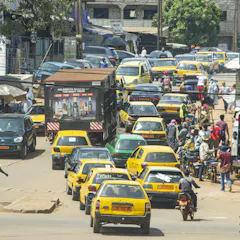
Every city is different but they can learn from each other.
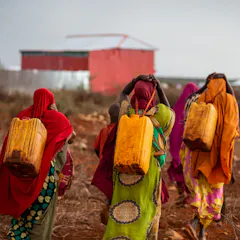
In high and low income economies, women and girls bear the brunt of inequalities caused by water scarcity.
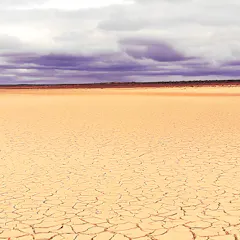
South Africa’s driest regions rely on groundwater, which dries up as the climate warms. Replenishing aquifers with excess rainfall may be a solution.
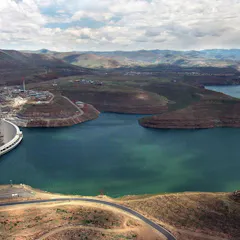
The Lesotho-South Africa water deal was clinched during the apartheid era and without public consultation.
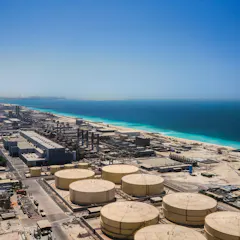
Plants that convert seawater to drinking water are at the heart of major cities in the Gulf. But they are increasingly becoming military targets.
Top contributors
-

Associate Professor in Environmental Science, Western Sydney University
-
Visiting Adjunct Professor, School of Governance, University of the Witwatersrand
-
Professor of Civil, Environmental and Ecological Engineering, Purdue University
-
Regents Professor Emeritus and Morris K. Udall Professor of Law & Public Policy Emeritus, University of Arizona
-
Senior lecturer, Nelson Mandela University
-
Executive Co-Director, UNU Hub on Empowering Communities to Adapt to Environmental Change, Institute for Water, Environment and Health, United Nations University; University of Calgary
-
Research Associate, Department of Economics, SOAS, University of London
-
Matthew Flinders Professor in Water Economics, Flinders University
-
Professor, School of Biological, Earth and Environmental Sciences, UNSW
-
Distinguished Professor of Engineering, University of California, Merced
-
Distinguished visiting professor, University of Glasgow
-
Research Fellow, Monash Sustainability Institute, Monash University
-
Associate Professor of Environmental Economics and Policy, School of Environment, Science and Engineering, and Fellow of the Marine Ecology Research Centre, Southern Cross University
-
Professor, Fenner School of Environment & Society, Australian National University
-
Senior Lecturer, Melbourne Law School, The University of Melbourne