
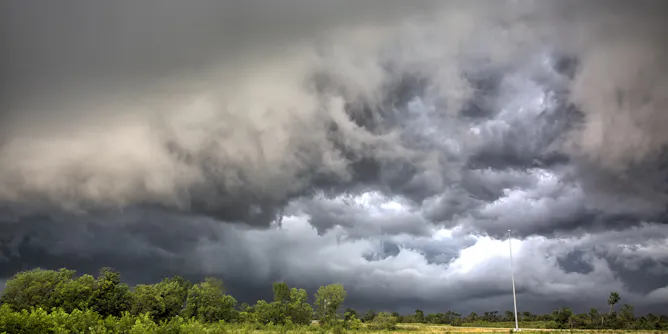
Don’t blame the weatherman. A meteorologist explains where your local weather forecasts really come from, and what storm scientists are doing to bring them closer to home.
Articles on US National Weather Service
Displaying all articles
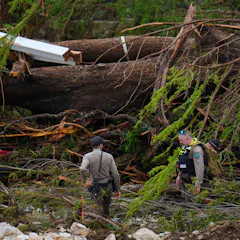
Funding cuts for crisis services in the US will cause long-term problems in its ability to predict and respond in emergencies.
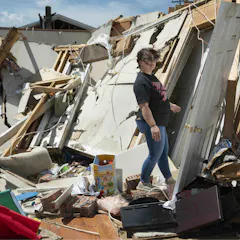
A storm scientist explains what’s been driving deadly tornado outbreaks and how tornado season has been changing.
Weather forecasting relies on international collaboration. Cuts at U.S. government agencies will negatively impact attempts to predict and mitigate the effects of extreme weather events.

NOAA operates fleets of satellites, sensors on airplanes and ocean-going buoys, as well as radar, providing the data used by weather forecasters nationwide – and freely available to anyone.
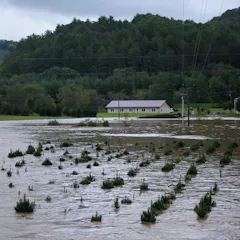
If your area experiences a 1,000-year rainfall event, don’t assume that you’re off the hook for the next 999 years.
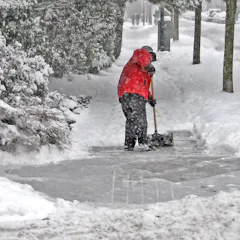
It’s hard to get accurate measurements, but a nationwide network of more than 8,000 volunteers with rulers and specific standards reports after every storm.
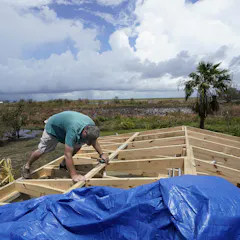
Federal weather scientists are pushing to make the US more ‘weather-ready,’ which could mean prepping for fires, flooding or storms depending on where you live. The common factor: thinking ahead.
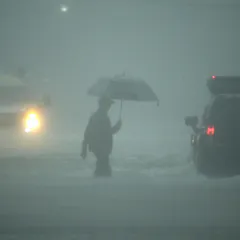
An expert in extreme weather events explains why the rain – and thus flooding – associated with Hurricane Harvey has been ‘unprecedented.’
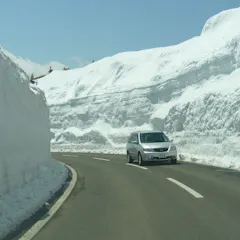
It’s really hard to measure snowfall accurately. The National Weather Service relies on more than 8,000 volunteers with rulers.
Top contributors
-

Professor of Atmospheric Science and Colorado State Climatologist, Colorado State University
-
Associate Teaching Professor of Meteorology and Atmospheric Science and Manager of the Joel N. Myers Weather Center, Penn State
-
Director, North Carolina State Climate Office, North Carolina State University
-
Associate Director for Science at CIRES, University of Colorado Boulder
-
Atmospheric Scientist, Program Manager at CIRES, University of Colorado Boulder
-
Professor Emeritus, Department of Geography and Environment, Western University
-
Associate Professor of Atmospheric Science, Purdue University
-
Lecturer in American Politics, University College Cork
-
Meteorologist and Research Program Manager, University of Wisconsin-Madison
-
Associate Director of Education and Outreach, Extreme Events Institute, Florida International University