
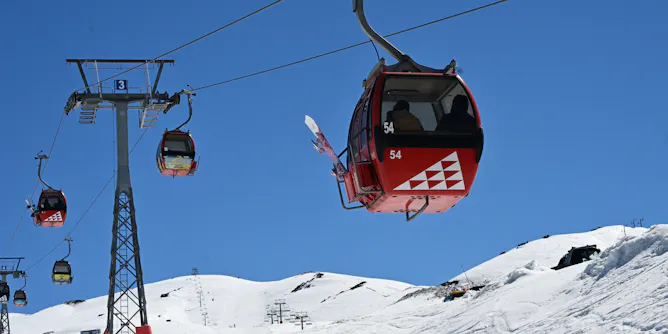
What happens on the slopes in Chile holds clues for the western US snow season. But all that precipitation can also bring trouble.
Articles on Snow
Displaying 1 - 20 of 120 articles
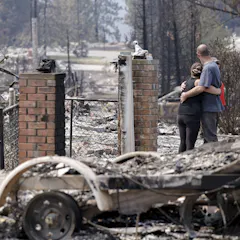
Dry land and little snow helped fuel a destructive 2026 fire season. New research shows active fire seasons are becoming the norm, and communities need to prepare.
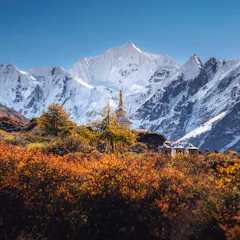
Researchers designed a new way of collecting data about snowfall in the Himalayas which is much more accurate than the ones used before.
Three climate-related factors have loaded the dice for a drier and warmer winter this year.
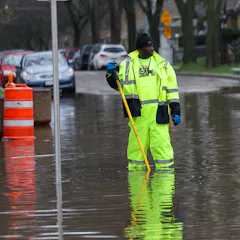
Days of intense rain and snowmelt overwhelmed old dams and breached roads, forcing evacuations. Nearly half the counties in Michigan – often seen as a climate haven – were under a state of emergency.
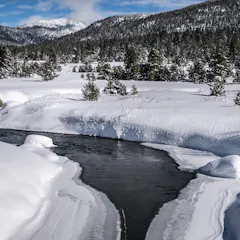
Streamflows the West relies on for drinking water and farms used to follow a fairly predictable arc as winter snow melted. Rising temperatures are changing that.
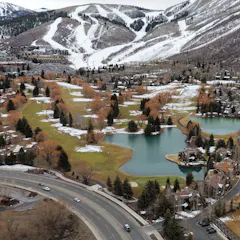
The 2026 water year has been anything but ordinary. In fact, its snow drought has few parallels in recent history.
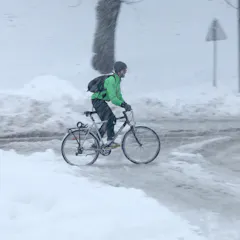
Winter cycling is increasing in some places in Scandinavia.
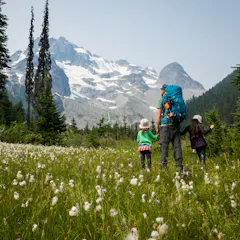
The answer has to do with the air we breathe and that bright white snowpack, as an atmospheric scientist in Colorado explains.

Climate change is altering not only how much snow falls, but where snowpack persists and how long it lasts.
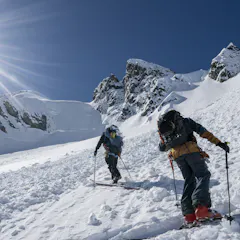
An avalanche during a storm in the Sierra Nevada killed at least eight skiers on a guided backcountry excursion.

Heavy demands for energy and water risk locking ski resorts into a model that climate change will ultimately make unviable.
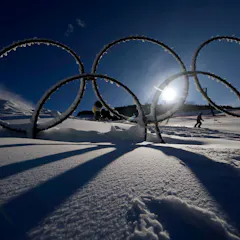
For the Winter Olympic and Paralympic Games, climate change poses a risk and could impact where the Games can be held in the future.

US Olympic skiers and scientists explain the sharp differences between natural snow and machine-made snow, from the science to the rising risk of crashes.
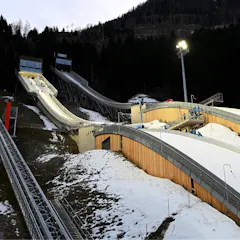
Innovations have made recent Winter Games possible, but the future climate will have a big impact on where the Olympics can be held and winter sports themselves.
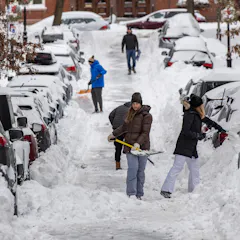
Winter storms create many hazards, from slick ice to freezing temperatures. People often underestimate how quickly conditions can become life-threatening
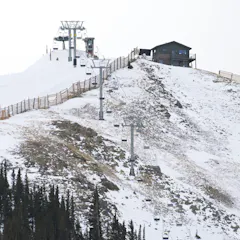
Ski resorts in Colorado can make snow, but it only goes so far.
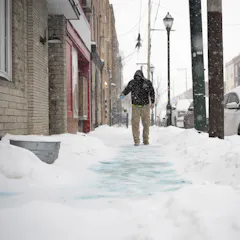
Excess road and sidewalk salt flows into storm drains and ultimately into area streams and rivers, affecting fish and other aquatic organisms.
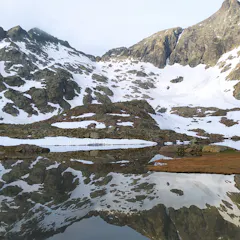
Snow cover has declined rapidly since the 1980s, and it’s only accelerating.
A major atmospheric river brought record precipitation to the Pacific Northwest, yet the snow and water supply still suffered. It’s a growing problem.
Top contributors
-

Professor of Snow Hydrology, Colorado State University
-
Alaska Climate Specialist, University of Alaska Fairbanks
-
Deputy Lead Scientist, National Snow and Ice Data Center (NSIDC), Cooperative Institute for Research in Environmental Sciences (CIRES), University of Colorado Boulder
-
Senior Scientist, National Snow and Ice Data Center (NSIDC), Cooperative Institute for Research in Environmental Sciences (CIRES), University of Colorado Boulder
-
Senior Lecturer, Climate Science and Science Communication, The University of Melbourne
-
Associate Director, Climate System Research Center and Associate Professor of Climatology, UMass Amherst
-
Assistant Professor of Natural Resources, Colorado State University
-
Postdoctoral research associate, University of Tasmania
-
Adjunct Professor (Practice) in Climate Science, School of Earth, Atmosphere and Environment, Monash University
-
Climate scientist, Australian Bureau of Meteorology
-
Research Scientist, Australian Bureau of Meteorology
-
Assistant Professor of Geology and Geological Engineering, Colorado School of Mines
-
Associate Professor of Atmospheric and Oceanic Sciences, University of Colorado Boulder
-
Professor of Physical Geography, University of the Witwatersrand
-
Associate Teaching Professor of Meteorology and Atmospheric Science and Manager of the Joel N. Myers Weather Center, Penn State