

While trauma can ripple across generations, its effects aren’t hard-coded in our genes.
Articles on Trauma
Displaying 61 - 80 of 414 articles
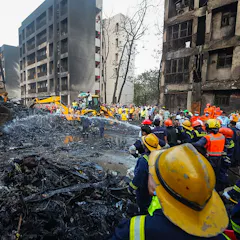
Being a sole survivor of a mass casualty may have its own complex psychological challenges.

Our research suggests that psychology plays a role in causing this common and extremely painful condition.
Sigmund Freud originally developed the idea of repression and actually revised his definition later in life.
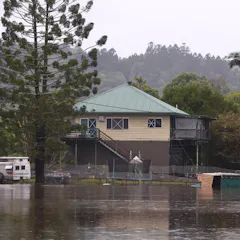
The immediate risks are from drowning, falls, injuries and infections from contaminated floodwater. Here’s what to look out for.
This is a particularly tough time for people who have lived through other disasters. Here are some signs of retraumatisation to watch out for.

Sexual assault services provide more than just medical forensic examination, and in a recent study, 75% of people who used one found the process reassuring.

Do you ‘trauma dump’ on social media? Read this first.

If you need to access social services, you deserve to know whether the provider is using artificial intelligence in any way.

Now we know how power dynamics complicate consent is it time to revisit The Kiss?

Although concentration camp survivors followed different trajectories and displayed different levels of resilience, four main survivor profiles emerge.
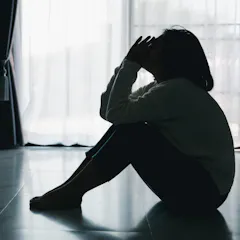
Retraumatisation can lead to mental health crises including suicidal thoughts and actions, self-harm and agoraphobia.
Breathwork is an ancient practice to calm the mind and improve physical health.
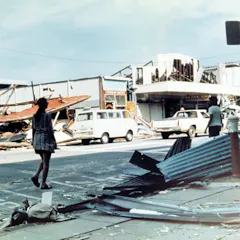
Cyclone Tracy reshaped Darwin and marked a turning point in Australia’s approach to disaster resilience.

We found teenagers who’d had traumatic experiences by age 12 were more likely to be vaping regularly at 15.

The child protection system didn’t protect Bundjalung Widubul-Wiabul woman Vanessa Turnbull-Roberts – it removed her from a loving family. Her book is a reality check.

Treating all adversity as inherently negative does a disservice to children and their ability to develop adaptive coping mechanisms that can protect them in future cases of adversity.
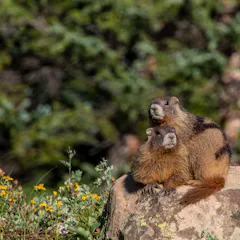
New research finds that marmots who experience adversity early in life have a lesser chance of survival.

The impact of wars on children is vast and multifaceted. The trauma inflicted is enduring and will shape the rest of their lives — and by extension, the societies in which they and we live.
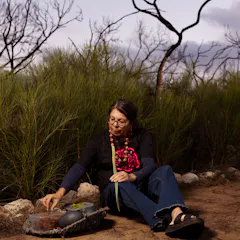
Charmaine Papertalk Green sifts through the violent, traumatic colonial archive, to know more about her Old People. It’s heartbreaking work, but a sliver of information can make a world of difference.
Top contributors
-

Professor of Psychiatry, Wayne State University
-
Senior Lecturer in Humanities, University of Southern Queensland
-
Professor of Psychology, The University of Melbourne
-
Albert E. Kent Professor of Psychiatry, Yale University
-
Professor of Social Work, CQUniversity Australia
-
Professor of Psychology, University of Denver
-
Professor & Director of Traumatic Stress Clinic, UNSW
-
Associate Lecturer in Creative Writing, University of Sydney
-
Senior Research Fellow, The Kids Research Institute Australia
-
Associate Professor, Paramedicine and Head of Department, Rural Allied Health, La Trobe University
-
Professor of English, Flinders University
-
Distinguished Professor of Pharmacy Practice, University of Connecticut
-
Counseling Psychologist, Catholic University of Eastern Africa
-
Professor, Department of Psychiatry, The University of Melbourne
-
Casual Academic, Creative Writing and English Literature, Flinders University