
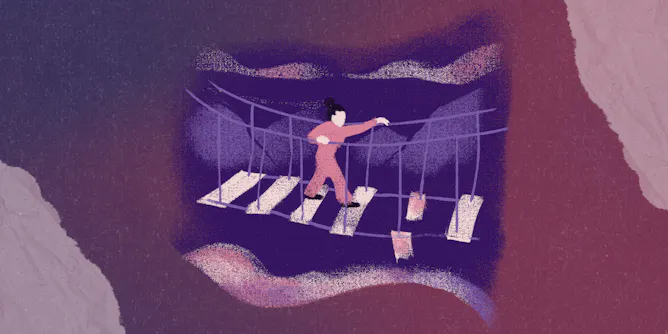
The term is everywhere, but what does it mean? Six guiding principles can help organisations provide care without causing further harm.
Articles on Trauma
Displaying 21 - 40 of 414 articles

In the 1990s, repressed memories sparked a major scientific dispute about how trauma works. Now, the idea is back – with a twist.
Western PTSD treatments typically focus on talking to a therapist about your feelings and emotions. But this doesn’t actually help everyone.
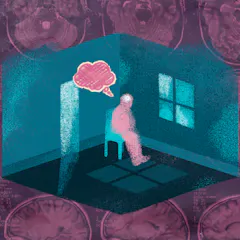
Therapies aimed at reframing negative thoughts may not work for some people with PTSD. New research shows it may be because their brains work differently after trauma.

Trauma is everywhere in mainstream vocabulary and online, but its meaning has never been hazier. Has the concept been de-stigmatised or diluted? And does it matter?

Disaster recovery agencies and governments must pay more attention to survivors’ invisible losses: grief, broken communities and disrupted identities.

An expert in traumatic brain injuries explains why you need to protect your noggin.

Most states have some sort of requirement for a minimum number of lockdown drills a year, but there is no set federal guidance.
The hidden link between sexual assault and chronic illness.

What does the wealth of books, documentaries and dramas about the Chernobyl disaster tell us that history alone cannot?

Topics such as sexual assault have been difficult for survivors and historians to write about, even decades after the war.

A researcher answers the question many asked when they heard charges of abuse and rape against civil rights icon Cesar Chavez: Why didn’t the women speak earlier about the events from decades ago?

Erin Vincent’s 14 Ways of Looking and Gemma Parker’s The Mother is Restless and She Doesn’t Know Why are powerful fragmented memoirs.

Psychedelic drug MDMA may help people manage PTSD symptoms. But it should only be used in certain contexts, according to two trauma experts.

Trauma survivors who have used EMDR may not get their case heard in court. Here’s what the evidence actually says about this therapy and false memories.

Evidence suggests the widespread adoption of trauma-informed care practices can potentially improve access to care as well as quality of care for all patients.
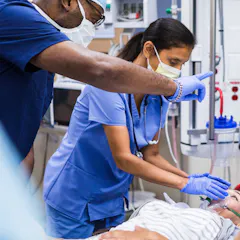
A new study from a Pittsburgh hospital finds that trauma patients recover faster when emergency medical teams have shared experience working together.

A nurse scientist interviewed 29 formerly incarcerated Black men in Philadelphia to understand how they address their mental health needs.
Emirati Princess Al Qasimi is pro-Palestine and this year’s Sydney Biennale arts director, a choice that has drawn criticism. But should art be comfortable?

Some medical conditions involve cartilage tissue loss, which is why skin grafting is vital. Lab-grown cartilage could be the way forward for human tissue repair and reducing animal testing.
Top contributors
-

Professor of Psychiatry, Wayne State University
-
Senior Lecturer in Humanities, University of Southern Queensland
-
Professor of Psychology, The University of Melbourne
-
Albert E. Kent Professor of Psychiatry, Yale University
-
Professor of Social Work, CQUniversity Australia
-
Professor of Psychology, University of Denver
-
Professor & Director of Traumatic Stress Clinic, UNSW
-
Associate Lecturer in Creative Writing, University of Sydney
-
Senior Research Fellow, The Kids Research Institute Australia
-
Associate Professor, Paramedicine and Head of Department, Rural Allied Health, La Trobe University
-
Professor of English, Flinders University
-
Distinguished Professor of Pharmacy Practice, University of Connecticut
-
Counseling Psychologist, Catholic University of Eastern Africa
-
Professor, Department of Psychiatry, The University of Melbourne
-
Casual Academic, Creative Writing and English Literature, Flinders University