

Katherine Round’s film functions as a re-telling, a document, a memory and a reminder of the many individual lives that are affected by natural disasters.
Articles on Grief
Displaying 1 - 20 of 237 articles

You can buy yourself flowers.

The very technologies that transformed Victorian commerce and entertainment also helped make ghosts visible, reproducible and profitable.
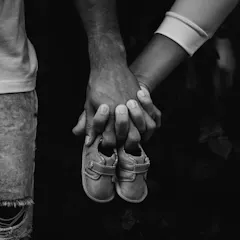
Support after a pregnancy or infant loss varies widely. Without better evidence, policy reforms may fall short of the needs of Canadian families.

New research looks for patterns in this sad phenomenon.

Our latest study takes a closer look at the emotional lives of humpback whales.

Counseling in later life isn’t just for coping with loss and illness – it can help people work through questions of identity and how they seek meaning in their lives.

Grief is an understandable response to witnessing harm to places and species that matter to us.

Peter Parker has lost all of his support network in this new film – but navigating his grief proves transformative.

Two researchers navigate the mind-boggling and often sinister, parallel universe that is known as the digital afterlife industry and chatbots specifically designed to help people grieve.

Each year, millions of Shiite Muslims walk to Karbala to honor Husayn, the prophet’s grandson, whose death continues to shape their faith.
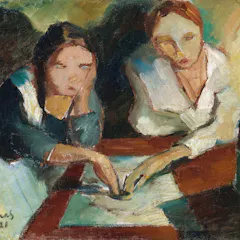
The 19th-century spiritualist movement promised contact with the dead. Today’s AI grief tech is reviving that promise in unsettling new ways.

Parents and educators sometimes avoid having conversations about grief with children because they don’t know what to say. Here are some tips for how to approach it.

How animals respond to death.
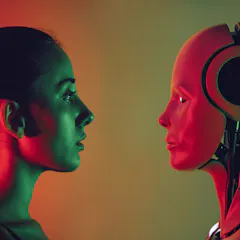
AI now makes it possible to communicate with the dead. But these digital avatars raise significant ethical questions about our relationship with mortality.

A death doula works as a community partner offering support to the dying.

Despite some limitations, Babies is a welcome and important contribution that explores the realities of miscarriage with honesty and compassion.
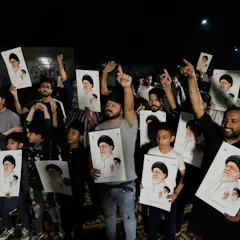
In Shiite Islam, grief is not only personal but collective − expressed through rituals, pilgrimage and devotion to saints.

Favouring restraint over spectacle, these stories offer intimate portraits of people shaped by history, disappointment, tragedy, grief and the long shadows of secrecy.

Erin Vincent’s 14 Ways of Looking and Gemma Parker’s The Mother is Restless and She Doesn’t Know Why are powerful fragmented memoirs.
Top contributors
-

Reader in Education with Psychology and Centre for Death and Society, University of Bath
-
Professor of Social Work, CQUniversity Australia
-
Honorary Research Fellow, Director of Bereavement Services Counselling & Mental Health Clinic, York St John University
-
Lecturer in Sociology, Deputy Director of the Centre for Ageing and the Life Course, University of Liverpool
-
Professor of Psychology, Curtin University
-
Professor, Social Work, University of Waterloo
-
Emeritus Professor of Creative Writing, The University of Melbourne
-
Professor of Classical Studies, Brandeis University
-
Lecturer, The Cairnmillar Institute Melbourne, La Trobe University
-
PhD Candidate, Creative Writing, The University of Melbourne
-
Professor of Sociology, Drake University
-
Personal Chair, Literary Studies, Deakin University
-
Associate Professor, School of Social Work, Lakehead University
-
Dean's Professor of Sociology and Professor of Spatial Sciences, USC Dornsife College of Letters, Arts and Sciences
-
Counseling Psychologist, Catholic University of Eastern Africa