
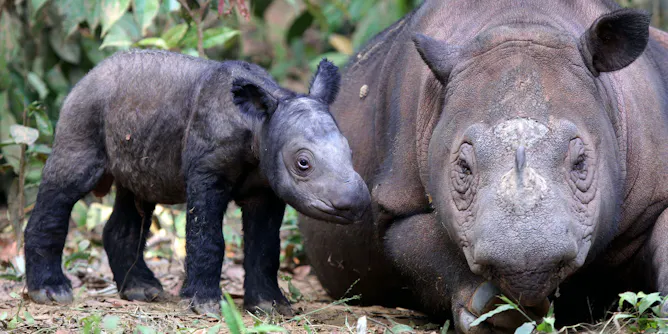
The latest State of the Rhino report reveals the urgent plight of the Javan and Sumatran rhino populations.
Articles on Translocation
Displaying all articles
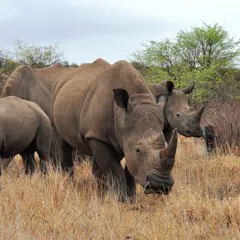
Large animals such as rhino and elephant need to be moved carefully, if they are relocated to a new reserve.

Translocation intends to minimize the impacts of development. Research shows that we are moving millions of animals and have no idea what happens to them next.
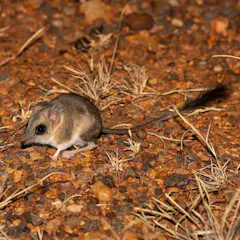
Kultarrs might look cute. But these carnivorous marsupials are fierce and feisty predators.
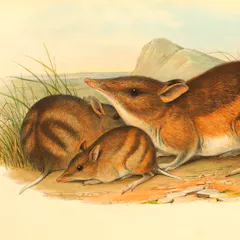
Translocation may have been the key to survival for the eastern barred bandicoot but it might not be the golden ticket for every species.
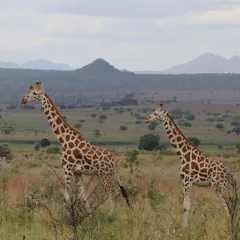
The largest ever giraffe tracking study shows how these massive animals are responding to human pressures across many different habitats throughout Africa.
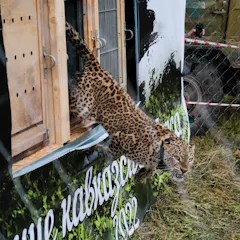
New research studies the factors that determine whether large carnivore reintroductions will be a success.
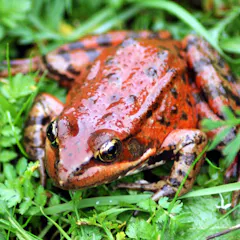
Amphibians have been devastated by a chytrid fungus pandemic. Researchers immunized California red-legged frogs in Yosemite to give them a fighting chance at survival, with surprising results.
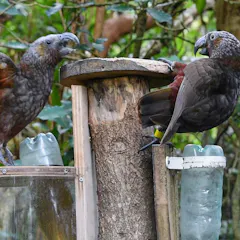
New Zealanders are increasingly concerned about the state of the environment, but
many don’t feel a strong enough connection to nature to become involved in conservation projects.
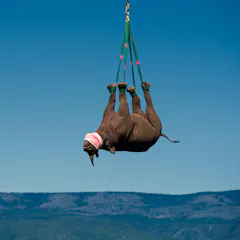
Helicoptering heavy herbivores across Africa is no laughing matter.
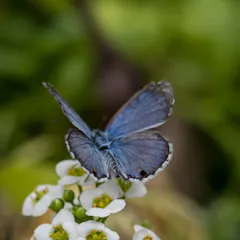
How do you pack butterflies for shipping, or frogs for an overland hike to a new habitat? Three scientists explain how they keep threatened species safe on the road and in the air.

Translocations have become more frequent in Africa. Elephants are the biggest animals to be moved.
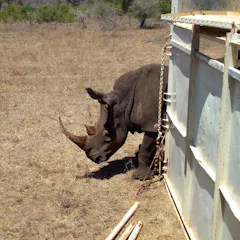
Conservationists are increasingly looking to translocating rhinos. This not only ensures their safety but also enables improvements to their genetic health.
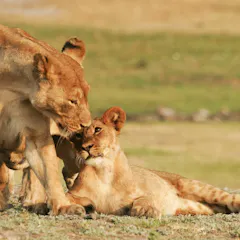
Genetics need to be considered when relocating lion populations because they a play a role in the animals’ evolutionary line.
Top contributors
-

Professor of Conservation Science, University of Newcastle
-
Postdoctoral Fellow in Conservation Genetics, University of Cape Town
-
Research Associate at the National Centre for Biological Sciences, Leiden University
-
Conservation Science Fellow, Smithsonian Institution
-
Research assistant, University of Oxford
-
Lecturer in the School of Applied Sciences, Edinburgh Napier University
-
Threatened Species Biologist, The University of Melbourne
-
Professor in Wildlife Ecology and Conservation, School of Life & Environmental Sciences, Deakin University
-
Research Biologist, Earth Research Institute, University of California, Santa Barbara
-
Conservation Ecologist, University of California, Santa Barbara
-
Adjunct Assistant Professor of Veterinary Medicine, Tufts University
-
Associate Professor of Entomology; Associate Curator and Program Director, Florida Museum of Natural History, University of Florida
-
Professor of Development Studies, Te Kunenga ki Pūrehuroa – Massey University
-
Senior Tutor, Te Kunenga ki Pūrehuroa – Massey University
-
Honorary Research Associate, Te Kunenga ki Pūrehuroa – Massey University