
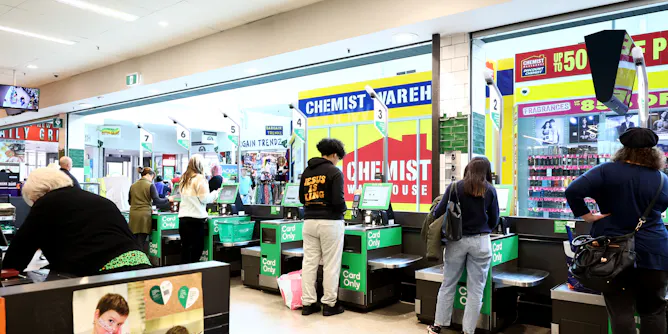
In some countries, consumers can sue private companies for anti-competitive behaviour. But it’s harder to do in Australia.
Articles on Supermarkets
Displaying 41 - 60 of 233 articles

By simplifying its range, Coles is moving a step closer to Aldi’s strategy.
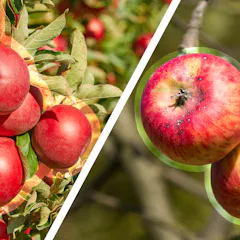
Many of us prefer to avoid climate-affected produce altogether. But marketing messages that highlight its ‘resilience’ can encourage consumers to consider it, even when empathy towards farmers is low.

Turning two big supermarket companies into one even larger one could have harmed consumers and workers, the government said during its successful litigation.
New Zealanders have less choice over their grocery shop than consumers in most developed countries. Breaking up the existing supermarket conglomerates would be a next logical step.
A push to overhaul laws to stamp out land banking is part of a Government bid to crack down on anti-competitive and unconscionable conduct by supermarkets.
The competition watchdog reported hearing ‘concerning’ reports from suppliers about being paid prices below the cost of production but having ‘little choice but to agree to highly unfavourable terms’.
Supply chain improvements could help lower the food insecurity rate and reduce food waste while boosting profits for retailers.
Foodstuffs has applied to merge its North and South Island operations. But this move will only further concentrate market power and the biggest losers will be New Zealand consumers.
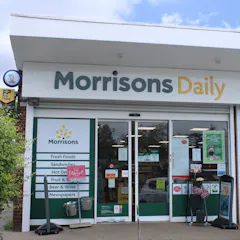
Convenience stores are often there when we need them for some top-up shopping, but now they offer so much more.
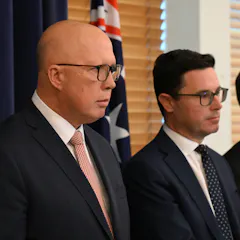
The Nationals have had a major win in having the opposition commit give the ACCC divestiture powers.

Millions of people are being urged to take part in Plastic Free July. Yet we know consumer choice is only one part of the picture. Eliminating plastic waste requires broader structural change.
The Emerson review could have recommended binding arbitration and giving courts the power to force supermarket chains to divest stores, but what it has recommended will put the big chains on notice.
The government has accepted all the recommendations in the final report of an inquiry done by a former Labor minister Craig Emerson.
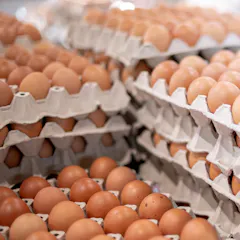
Coles’ decision is likely more of a precautionary move that reflects its own specific supply chain. It will also help deter against panic buying.

Rising food costs mean more people are turning to the black market to feed themselves – but this has consequences for business and consumers.
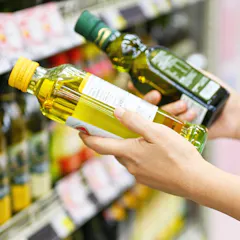
Here are some cheaper, healthy alternatives to olive oil.
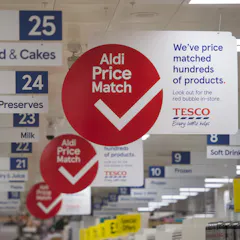
Branding experts have long used visual cues to communicate with consumers – but the rising cost of living is changing the nature of their messaging.
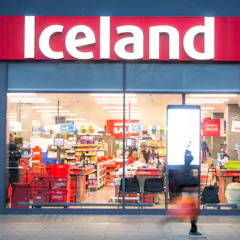
Frozen food retailer Iceland says it wants to amplify its customers’ voices – but there’s a lack of transparency in its plans.

The Rotorua woman wrongly identified by a supermarket facial recognition system says ethnicity was a ‘huge factor’. Her case shows why human-centered design is needed to avoid misuse, bias and harm.
Top contributors
-

Professor of Marketing and Consumer Behaviour, Queensland University of Technology
-
Associate Dean, School of Business and Law, Edith Cowan University
-
Associate Professor of Marketing, Tasmanian School of Business and Economics, University of Tasmania
-
Professor of Economics, Monash University
-
Professor in Sustainable Production and Consumption, Anglia Ruskin University
-
Professor of Public Health, Deakin University
-
Professorial Fellow, University of Canberra
-
Emeritus Professor of Marketing, University of Birmingham
-
Professor of Public Health Policy, Deakin University
-
Associate Professor in Operations and Supply Chain Management, UTS Business School, University of Technology Sydney
-
PhD, Political Economy, Macquarie University
-
Retail Academic Researcher, Business School, University of Sydney
-
PhD Candidate, ARC Centre of Excellence for Automated Decision-Making and Society, RMIT University
-
Professor of Accounting, University of Portsmouth
-
Associate Professor, Supply Chain Analytics, University of Bradford