
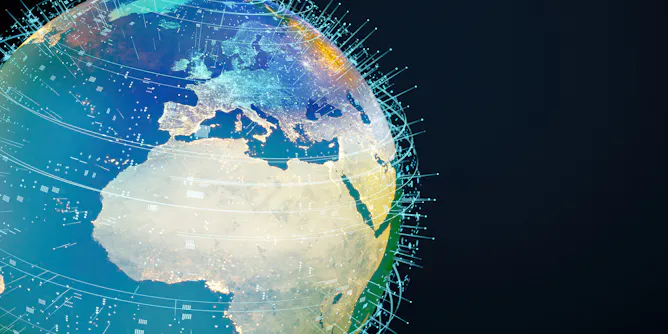
The weather would get wild and windy if one side of the planet was always cold and dark and the other side always hot and light.
Articles on Sunlight
Displaying 1 - 20 of 30 articles

Risks for negative outcomes may be reduced through mitigation measures such as public education on sleep health and later or flexible start times.

Reflect Orbital wants to use giant mirrors in space to light up the ground at night, and there are few rules to regulate what they can do.

Montréal-area performances have seen artists explore our human connections to light and ecological forces, and reflect on grief related to climate change.
Consumers in Europe and Asia have used sunscreen containing bemotrizinol for decades, and many say its approval in the US is long overdue.

The adoption of permanent DST in B.C. raises significant concerns about social jetlag and long-term health impacts, especially for young people.

New research suggests yes, you may need to take a vitamin D supplement.
Supplementing vitamin D in healthy people may boost immune response, but it can cause health problems.
Many peoples throughout history used the warmth of the Sun to heal. Others used lamps or light split into different colours, which we still use today.

We have trillions of body clocks – a central one in the brain and others in each cell of our body. Here’s how they work with light to control our health.

Students in windowless rooms are reporting anxiety, depression and fatigue. A professor of architecture says developers need to let the light shine in.
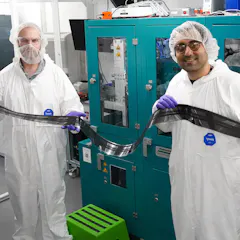
A new generation of flexible solar cells has been pioneered using a material known as perovskite.

Each rainbow is personal – the rainbow you see isn’t exactly the same rainbow the next person sees. It’s all in the eye of the beholder.

Some parts of North America will witness a total solar eclipse in April 2024. This may seem far away, but you should think about preparing for this rare and fascinating phenomenon.

Our ancient ancestors didn’t have clothes or houses – but that constant exposure to the sun helped their skin protect itself from the worst sun damage.

Researchers have long suspected that an ingredient in sunscreen called oxybenzone was harming corals, but no one knew how. A new study shows how corals turn oxybenzone into a sunlight-activated toxin.
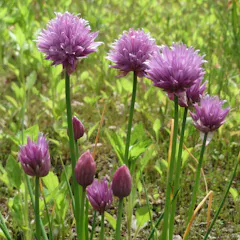
Plants need light to feed themselves, so they grow in ways that help them collect as much of it as they can. Sometimes that’s straight up, but not always.

The UV index measures how much UV radiation is around and how much damage it’s likely to do to your skin.

The sky on other planets doesn’t look the same as the sky on Earth does. And that’s because of the different gases in Earth’s atmosphere.

How much energy does the internet use, and - given recent technological advances - could it ever run on renewable energy alone?
Top contributors
-

Associate Professor in Biophysics, University of Pretoria
-
Professor of Environmental Humanities, University of Kent
-
Professor of Civil and Environmental Engineering, Stanford University
-
Senior lecturer, University of Pretoria
-
Senior Lecturer in History, Aston University
-
Professor, Dick Clark Chair in Architecture, School of Architecture, The University of Texas at Austin
-
Postdoctoral researcher in photosynthesis, Vrije Universiteit Amsterdam
-
Professor of Epidemiology, Australian National University
-
Lecturer in Immunology, Edinburgh Napier University
-
Professor of Physics, UMass Lowell
-
Vice President of Academic Affairs and Dean of the College, Grinnell College
-
ARC Future Fellow, Physics, University of Newcastle
-
Professeur Titulaire. École d'optométrie. Expertise en santé oculaire et usage des lentilles cornéennes spécialisées, Université de Montréal
-
Evan Pugh University Professor of Anthropology, Penn State
-
Clinical Associate Professor, Faculty of Social Sciences, University of Nottingham