
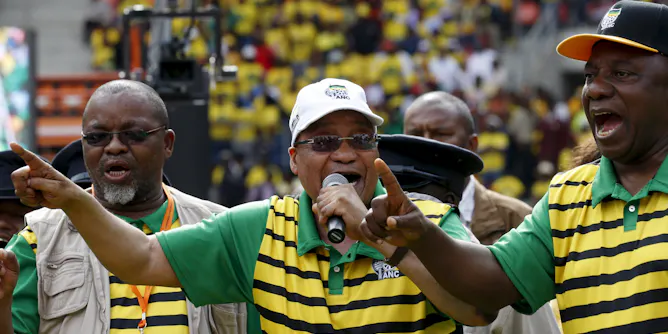
A key question ahead of local government elections in South Africa is whether the African National Congress will retain control of seven of the country’s eight metropolitan municipalities.
Articles on South African politics
Displaying 241 - 260 of 336 articles
South Africa’s transition to democracy was based on the values of inclusive politics, reconciliation, human rights and constitutionalism. Twenty-two years on, how has the country fared?
As South Africa celebrates 22 years since the end of apartheid this month, a new survey by Afrobarometer suggests the country still has a long way to go in fulfilling the promises of freedom.
Poor attendance at the launch of the ANC’s local elections manifesto shows the party no longer holds much weight with the electorate in the key Nelson Mandela Bay, which it has dominated since 1994.
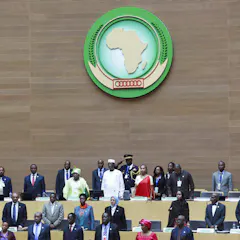
If the governing ANC ignores the calls for Zuma’s resignation,it may undermine South Africa’s leadership on the continent. It creates the idea that he can undermine the constitution with impunity.
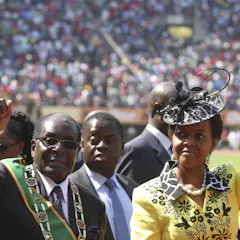
It is normal for resistance movements to adopt rough survival strategies and techniques while fighting an oppressive regime. Unfortunately that culture takes root and is permanently nurtured.

Lobbying political actors to achieve particular outcomes is an acceptable practice in a democracy. But state capture, as is allegedly happening in South Africa, denotes holding the state to ransom.
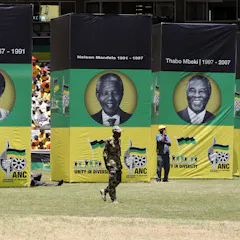
Democracy resulted in a sea change in the governing ANC. In the past, only highly committed idealists joined the party. Today’s splits and factions are about patronage and clientelism.
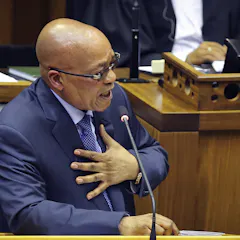
Ironically, the only feasible way of removing President Zuma lies outside the prescribed formal structures of the constitutional processes – at the head office of the governing ANC.

If South Africans are to make the radical changes they must to become truly great, the new generation will have to find a way of understanding the country’s past in its profound complexity.
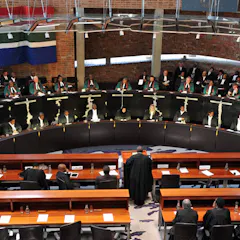
The Constitutional Court judgment in the opposition’s case against President Jacob Zuma represents the exercise of judicial authority and expertise at the highest level by international standards.

South Africans living in communities along the country’s east coast are engaged in intensive protests against mining companies, despite rising danger.
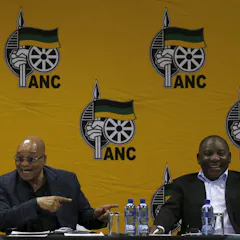
South Africa’s governing ANC has to respond to public outcry about state capture or run the risk of electoral losses.
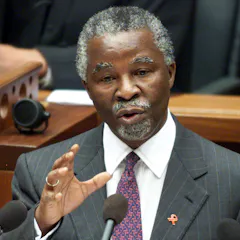
Critics say that Thabo Mbeki’s character matters less than his AIDS denialism. But these things are actually intimately linked.

South Africa’s finance minister means well, especially in his bid to cut public sector expenditure. But his success requires strong leadership and strategic alignment across the entire public sector.
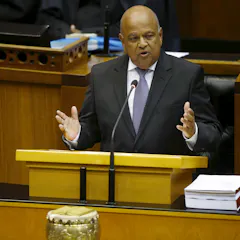
South Africa’s finance minister delivered a good mix of macro and micro-economic strategies to ensure the country survives economic uncertainty, restores confidence and achieves some growth.
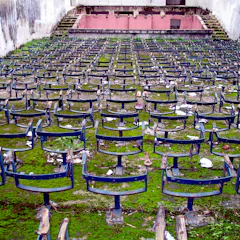
Apartheid South Africa started a war in which it could not maintain a strategic advantage. It misread the quest for national liberation and international opinion that undermined its effectiveness.
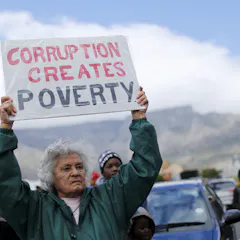
South Africa has never reached an embedded democratic state. Its post-apartheid experience more realistically reflects ongoing oscillation between a deepening and a reversal of democratic liberties.

Robert Sobukwe developed the philosophy of African nationalism to even higher intellectual heights. The lesson for humanity was his ideological stand that there is only one race - the human race.
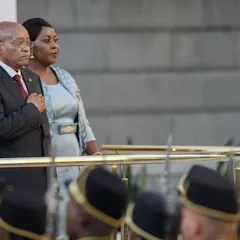
With South African local government elections coming up later in 2016, Jacob Zuma and his governing ANC must ensure that citizens still look to them as a party of hope.
Top contributors
-

Political Scientist, University of the Western Cape
-
Professor of Sociology, University of the Witwatersrand
-
Professor in Political Science, University of South Africa
-
Professor of Public Affairs, Tshwane University of Technology
-
Professor of Political Studies, University of Johannesburg
-
Professor of World Politics, SOAS, University of London
-
Visiting Professor and Professor Emeritus, University of the Witwatersrand
-
Emeritus Associate Professor in Public Law, UCT. Visiting Adjunct Professor, WITS School of Governance; Director, Africa Programme, University of Cambridge Institute for Sustainability Leadership, University of Cambridge
-
Professor and Head of Department of Political and Conflict Studies, Nelson Mandela University
-
Chief Research Specialist in Democracy and Citizenship at the Human Science Research Council and a Research Fellow Centre for African Studies, University of the Free State
-
Lecturer in Politics and International Relations, University of Leicester
-
Professor of Urban Governance, University of the Witwatersrand
-
Distinguished Reserach Professor, Southern Centre for Inequality Studies, University of the Witwatersrand
-
Professor of Digital Society, University of Glasgow
-
Lecturer, Nelson Mandela University