
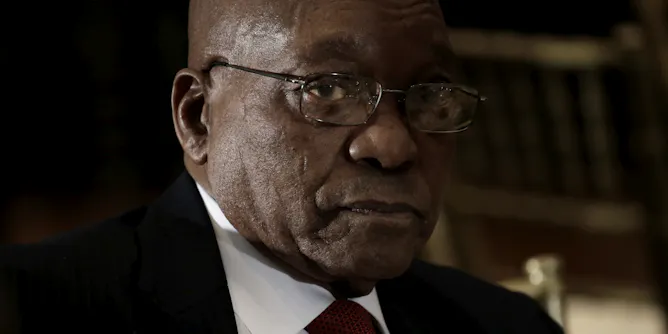
Even after seven years of incompetence and dodgy dealing, Jacob Zuma’s presidency has yet to reach its nadir.
Articles on South African politics
Displaying 201 - 220 of 336 articles
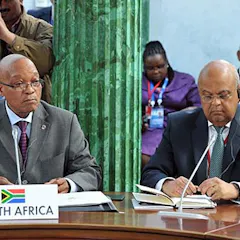
The use of the prosecuting authority and the police in ANC succession struggles has a long history. What’s different in the Zuma era is the symbiosis between elite police and the prosecution service.
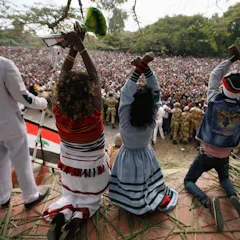
The growing revolt against South Africa’s president, amid state capture allegations, is not an isolated event, but part of a much wider pan-African uprising led by the continent’s disaffected youth.
The ICC has made important advances by investigating cases outside Africa and completing ones that further define what is not allowed in war. South Africa’s withdrawal is concerning, but not fatal.
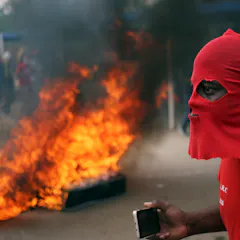
University authorities in South Africa have agreed to most fees protesters’ demands. Yet, the protesters keep moving the goalposts. Do they want more than fees to fall?
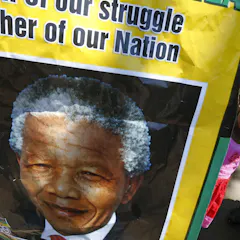
Student activists are losing faith in the legacies of anti-apartheid heroes like Nelson Mandela. Perhaps all South Africans should do the same. It may just be what the country needs for its future.
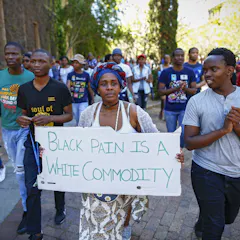
States do not record the structural violence of racism as part of crime statistics. But this invisible violence has driven some people to self-harm. It has also masked forms of suicide.
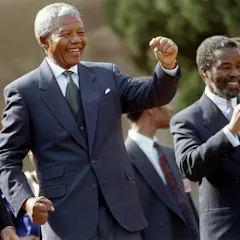
While Nelson Mandela’s cabinet made allies out of erstwhile adversaries, Jacob Zuma’s cabinet is making enemies out of former allies.
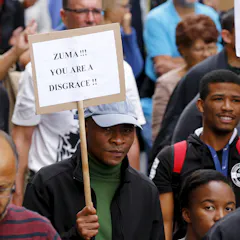
South Africa’s ruling party has lost its moral and intellectual capacity to claim the mantle of leadership. The country’s economy won’t recover unless new political alignments emerge.
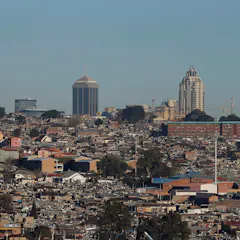
Populations revolt when lives are improving but not fast enough to meet their rising expectations.
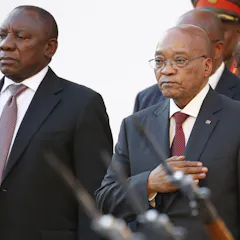
South Africa has reached a critical point. If patronage politicians win the battle within the ruling ANC and complete the capture of the state, the country will slip from stagnation into the abyss.
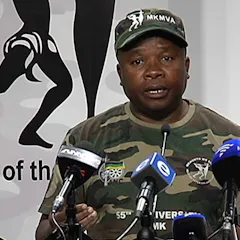
MK, the army of the then banned ANC, electrified millions of oppressed people to rise against the apartheid regime. Today, its veterans are being used in factional battles within the ruling party.
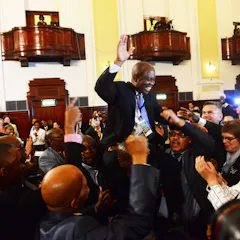
South Africa’s watershed local elections have resulted in upsets for the ANC in key metropoles. But will the new, minority coalition regimes live up to their mandate of providing basic services?

There were high hopes that the SABC would become a true public broadcaster after the end of apartheid when it was used ruthlessly as a propaganda machine. But those hopes have since been dashed.
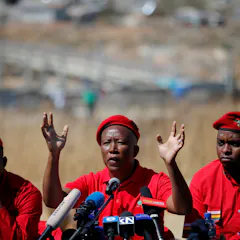
The EFF is sending a strong message to South Africans that it wants to be known as the only political home for radical change.
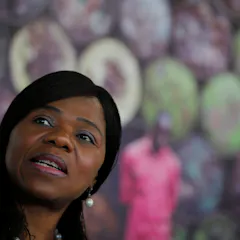
In many ways the office of the Public Protector has become the barometer of the state of South Africa’s constitutional democracy.
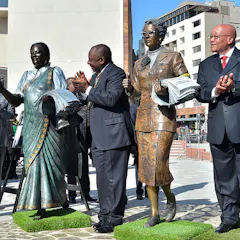
South Africa’s past tells us that, under certain conditions, women mobilise in ways that produce significant political results. But the country’s present shows how easily these gains can evaporate.
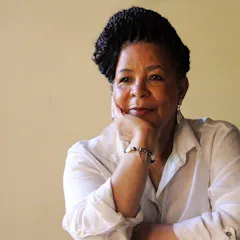
Qunta advocates a reparations fund to accelerate corrective policies, that schools be freed from colonial indoctrination and that African culture should be mainstreamed, especially African languages.
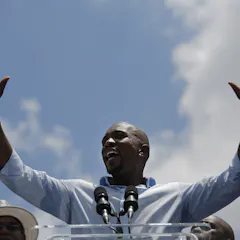
Patronage and clientelism is slipping away from the ANC and accruing to those who pledge their political futures to the Democratic Alliance. It will have to guard against incumbency arrogance.
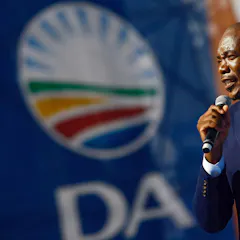
The ruling ANC has been seriously challenged by the Democratic Alliance, but South African politics is still about white privilege and black exclusion.
Top contributors
-

Political Scientist, University of the Western Cape
-
Professor of Sociology, University of the Witwatersrand
-
Professor in Political Science, University of South Africa
-
Professor of Public Affairs, Tshwane University of Technology
-
Professor of Political Studies, University of Johannesburg
-
Professor of World Politics, SOAS, University of London
-
Visiting Professor and Professor Emeritus, University of the Witwatersrand
-
Emeritus Associate Professor in Public Law, UCT. Visiting Adjunct Professor, WITS School of Governance; Director, Africa Programme, University of Cambridge Institute for Sustainability Leadership, University of Cambridge
-
Professor and Head of Department of Political and Conflict Studies, Nelson Mandela University
-
Chief Research Specialist in Democracy and Citizenship at the Human Science Research Council and a Research Fellow Centre for African Studies, University of the Free State
-
Lecturer in Politics and International Relations, University of Leicester
-
Professor of Urban Governance, University of the Witwatersrand
-
Distinguished Reserach Professor, Southern Centre for Inequality Studies, University of the Witwatersrand
-
Professor of Digital Society, University of Glasgow
-
Lecturer, Nelson Mandela University