
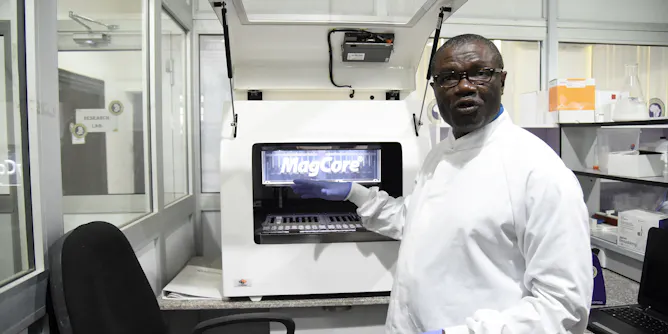
To effectively control COVID-19 and prevent a future pandemic, Nigeria needs to start investing heavily in science research.
Articles on Rwanda
Displaying 181 - 200 of 326 articles
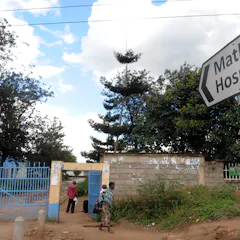
The global cost of lost productivity due to depression and anxiety disorders is jarring. Around 4.7 billion days of productivity a year are lost.
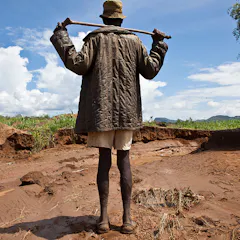
Regreening Africa works directly with 500,000 households to restore one million hectares of agricultural land.
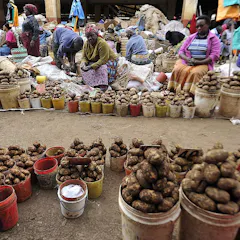
Potato cyst nematodes suppress crop growth and can cause huge yield losses of up to 80%, and even total crop failure.
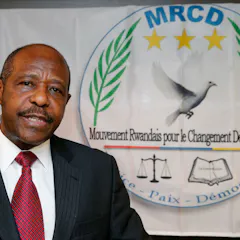
In a political environment as polarised as Rwanda’s, there is no room for moderates and no space for critical voices.
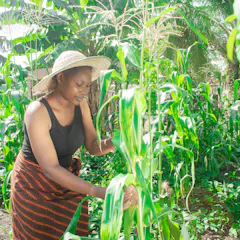
Africa is far from having an ageing farming population. What is missing is a critical mass of skilled, young farmers with access to finance who could drive productivity in farming.
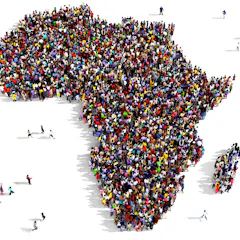
The gap between the continent’s most democratic and authoritarian regions is likely to continue to grow.
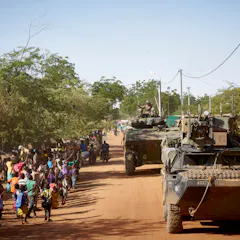
More than 20 years after the shift from unilateralism to multilateralism, it is reasonable to wonder how multilateral France’s ‘new interventionism’ really is.

Such a large accumulation of methane in a lake is unique, and has never been reached in any other lakes.

Pooled testing is most efficient when applied in settings of low virus prevalence.

The court’s decision has wider implications for international criminal law.
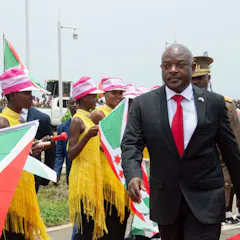
History will judge Nkurunziza as a man who brought unnecessary pain to a nation that had long suffered from political misrule.
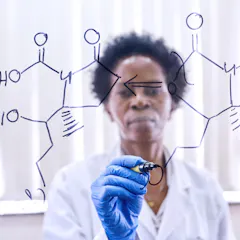
A number of programmes now exist that are helping to close the gender gap in African science, technology, engineering and maths.

Though genocide survivors would ideally want Kabuga to be prosecuted in Rwanda, it won’t be possible, for legal or political reasons.

Coronavirus-related restrictions are likely to slow but not stop the coffee business in Rwanda, which produces specialty beans sold worldwide.
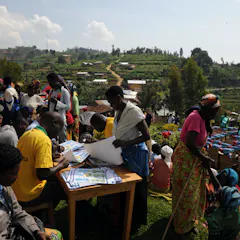
The Tubeho Neza programme has showed that it is possible to provide interventions against major diseases to vulnerable households.
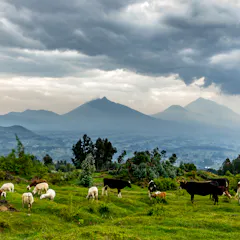
The interdependency between humans, animals and the environment is becoming more pronounced. This calls for an interdisciplinary approach to health problems.
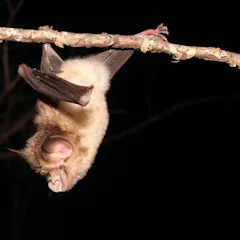
Understanding the many factors that may play a role in spillover of pathogens from bats to humans requires systematic surveillance of bat populations.
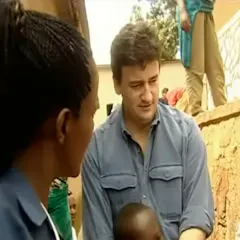
Keane is stepping back from his role as the BBC’s Africa editor due to a long struggle with PTSD after years reporting from conflict zones.

CC BY-NC-ND4.05 MB (download)
Rwanda has developed a strong, decentralised health system and addressed many of the major financial and geographic barriers people faced.
Top contributors
-

Postdoctoral Research Associate, King's College London
-
Associate Professor of International Studies, University of Nottingham
-
Vice Chancellor, University of Global Health Equity
-
Lecturer in Political Science, Binghamton University, State University of New York
-
Senior Researcher at the Feinstein International Center, Tufts University, and Research Associate at the Refugee Studies Centre, University of Oxford
-
Visiting Researcher, University of Leeds
-
Reader in Politics, Governance and Development, Global Development Institute, University of Manchester
-
Professor in International Development, University of Antwerp
-
Lecturer, UMass Boston
-
Honorary Professor of International Relations, University of the Witwatersrand
-
Professor of International Politics, SOAS, University of London
-
Associate Professor, University of Antwerp
-
Postdoctoral fellow, Johns Hopkins University
-
Professeur des universités, Université Paris 1 Panthéon-Sorbonne
-
Research Affiliate, University of Pretoria