
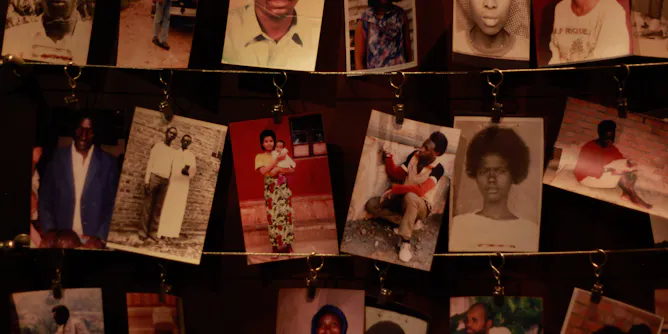
It is shocking to see the extent to which humanitarian workers in Rwanda became regular eyewitnesses to violence, murder and large-scale massacres in 1994.
Articles on Rwanda
Displaying 261 - 280 of 326 articles
The Rwandan model can’t be replicated easily given that it depends heavily on political dominance and tight, centralised control of patronage networks.
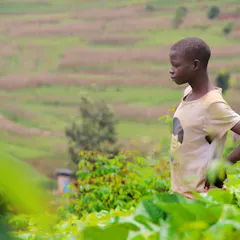
Findings from several scientific studies show the real impact of Rwanda’s agricultural policies and the challenges it faces.

Bellicose reporting can lead to a destructive feedback loop.
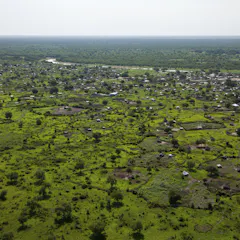
Creating a reliable, up to date land register is important for African countries. Drones can help collect and record the necessary data.

In a remarkable extension of technological leapfrogging, Somaliland will become the first country in the world to use iris recognition in a presidential election.
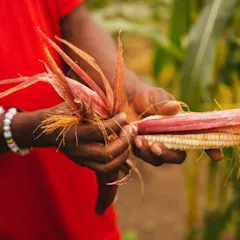
Policy choices made by Senegal, Ghana, Rwanda, Angola, Cameroon, Ethiopia and Togo over the past 15 years have led to significant reductions in child undernourishment.
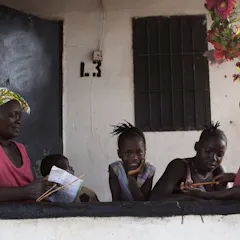
There’s no reason why small families shouldn’t become the norm in Africa. But this will depend on improving education opportunities for women and improving birth control policies.

The international media and her supporters continue to hoist Liberian President Ellen Johnson Sirleaf up as the matron of African women’s rights. But she does not deserve this title.

Two genocide and mass atrocity prevention scholars argue Trump’s response to the Charlottesville attack is a red flag.
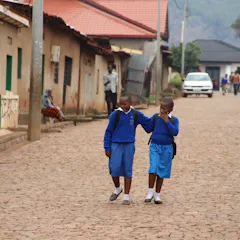
Rwanda’s vaccination programme for girls against HPV, the most common sexually transmitted disease was a huge success, thanks to implementation science.
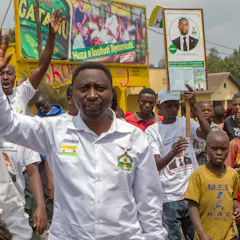
With frequent irregularities, it’s easy to become cynical about elections in Africa. But polls are an essential component of the continent’s growing democracy.
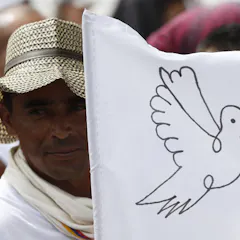
Ending violence is only a first step. Research from Colombian universities sheds light on the role of education in peace-building.

African leaders need to up their health allocations to help the new World Health Organisation Director-General meet his health care targets for the continent.

There are large amounts of methane and carbon dioxide dissolved in the deep waters of lake Kivu - if disturbed they could cause a catastrophe.
It’s important to shift educational discourse in and around Africa in a more equitable, representative direction.
A global approach to African history complements the radical post-colonial histories, while also asserting the role of the continent in the world’s global pasts and present.

Rwanda is powering ahead with peat. The country hopes that the opening of two peat power plants will add to the current power mix.
The road to reconciliation doesn’t begin and end with truth commissions or trials. Change must occur at a systemic level, and communities must commit to rebuilding relationships.
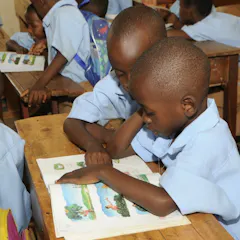
Textbooks in sufficient quantities are effective in improving the quality of education but in Africa language poses a problem to how pupils interact with the material they are taught.
Top contributors
-

Postdoctoral Research Associate, King's College London
-
Associate Professor of International Studies, University of Nottingham
-
Vice Chancellor, University of Global Health Equity
-
Lecturer in Political Science, Binghamton University, State University of New York
-
Senior Researcher at the Feinstein International Center, Tufts University, and Research Associate at the Refugee Studies Centre, University of Oxford
-
Visiting Researcher, University of Leeds
-
Reader in Politics, Governance and Development, Global Development Institute, University of Manchester
-
Professor in International Development, University of Antwerp
-
Lecturer, UMass Boston
-
Honorary Professor of International Relations, University of the Witwatersrand
-
Professor of International Politics, SOAS, University of London
-
Associate Professor, University of Antwerp
-
Postdoctoral fellow, Johns Hopkins University
-
Professeur des universités, Université Paris 1 Panthéon-Sorbonne
-
Research Affiliate, University of Pretoria