
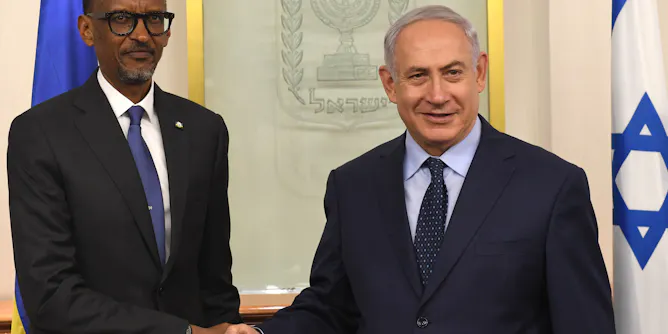
Most countries in Africa have chosen to separate the issue of the Palestinians from economic cooperation with Israel.
Articles on Rwanda
Displaying 161 - 180 of 326 articles

These results emphasise the high significance of the transport sector in Kigali’s air pollution levels and the need for further action to address air pollution from the sector.

Countries have adopted a wide array of measures involving a proliferation of fraud agencies.

It will take time for Rwandans, especially those who suffered or witnessed the genocide, to trust France again.

Gusimbuka athletes could jump very high, probably due to their inherent talent, which was recognised early and developed further.
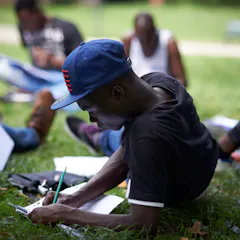
Governments and agencies should prepare second chance opportunities for formal education as emergency situations may last for several years and create a backlog of education.

A scholar of the Rwandan genocide argues that while a genocide and a pandemic are very different, the experiences of Rwanda’s survivors may provide lessons on how to heal from pandemic trauma.

A survey of the commemorations since 2014 reveals the politicking behind the writing of history and Rwanda’s place in the world.

Without reliable, local and timely data, countries will miss the potential of sugar-sweetened beverage taxation as a public health intervention.

Rwanda’s food policies focus on production to make sure people have livelihoods and enough nutritious food. Not much attention is given to overnutrition.
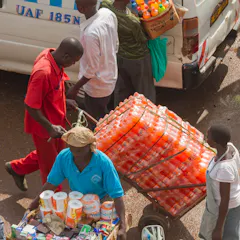
Implementing a sugar-sweetened beverage tax in all African countries will require sufficient political will and support from civil society.
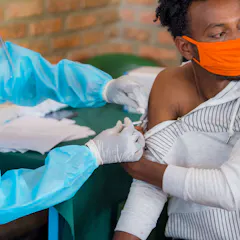
Due to early logistical planning, Rwanda had the capacity to store 5 million doses before the vaccines arrived.
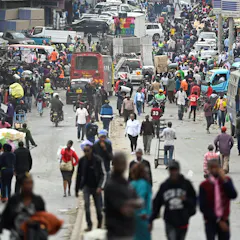
On average, countries that adopt ethnic recognition experience less violence, more economic vitality, and more democratic politics.
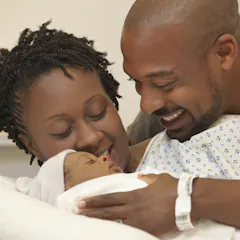
Men can practically help their partners access care by assisting with the costs of attending clinical appointments such as transportation, health insurance, and meals while on route to the clinic.
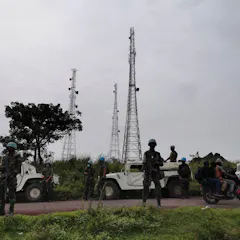
For nearly three decades, eastern Congo has been characterised by insecurity, with frequent outbreaks of violence between armed groups and attacks on civilians.
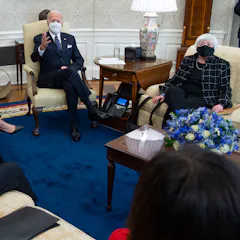
Research shows that when one country – particularly a powerful one – puts more women in power, other nations tend to follow suit.
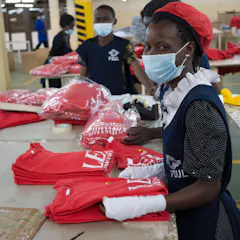
Industrialisation was key to long-term economic growth in the west and Asia. After years of going in the wrong direction, new research suggests that many African countries have seen a turnaround.

It seems the production of Earth science knowledge in Africa is simply not progressing, despite the world’s interest in (and exploitation of) the continent’s mineral wealth.

People are swayed by social pressure to help relatives, share contacts or reciprocate favours received from their networks. Many also believe that corruption is normal.
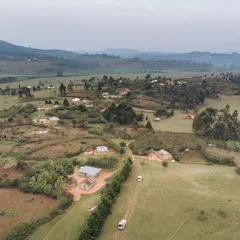
While history is often deployed as a weapon in eastern DRC, it also shows us stories of friendship and collaboration.
Top contributors
-

Postdoctoral Research Associate, King's College London
-
Associate Professor of International Studies, University of Nottingham
-
Vice Chancellor, University of Global Health Equity
-
Lecturer in Political Science, Binghamton University, State University of New York
-
Senior Researcher at the Feinstein International Center, Tufts University, and Research Associate at the Refugee Studies Centre, University of Oxford
-
Visiting Researcher, University of Leeds
-
Reader in Politics, Governance and Development, Global Development Institute, University of Manchester
-
Professor in International Development, University of Antwerp
-
Lecturer, UMass Boston
-
Honorary Professor of International Relations, University of the Witwatersrand
-
Professor of International Politics, SOAS, University of London
-
Associate Professor, University of Antwerp
-
Postdoctoral fellow, Johns Hopkins University
-
Professeur des universités, Université Paris 1 Panthéon-Sorbonne
-
Research Affiliate, University of Pretoria