
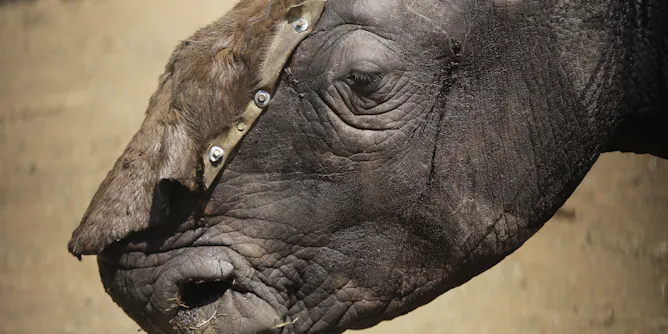
Trading rhino horn has been legalised in a bid to undercut poachers and the black market.
Articles on Rhino
Displaying 21 - 40 of 64 articles
Saving the rhino means tackling demand for its horn.
Would you pay to see rhinos in Australia’s savannas or forests? It’s not as crazy as it sounds – and could help save collapsing rhino populations.
Scientists have created embryos from the eggs of southern white rhino and sperm from their northern counterparts.

If the allegations are true Zimbabwe intends to prosecute Grace Mugabe for ivory and rhino horn smuggling.
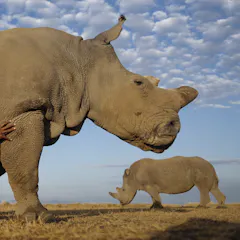
Rhino resurrection is tempting, but if humans cannot save a species in nature, what future for animals that we manufacture?
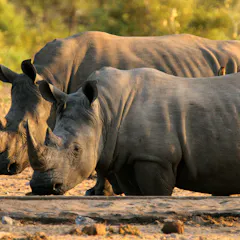
Poaching is changing focus by moving from the Kruger National Park to other provinces and reserves.
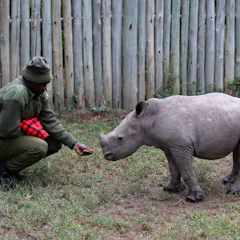
Local and indigenous communities remain mostly excluded from real benefits, and conservation often comes at a huge cost to them.
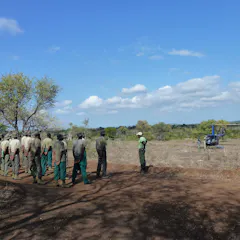
Military style anti-poaching is often criticised because it alienates communities living around protected areas. But these initiatives give them an incentive to protect the species.
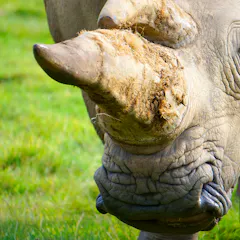
The first online rhino auction in South Africa wasn’t a success. This has done very little to help rhinos. It may, in fact, encourage more poaching as demand has not slowed down.

The rhino horn auction in South Africa is a serious setback in the fight against poaching and the survival of wild rhinos. The chances of the horns remaining in the country are next to zero.
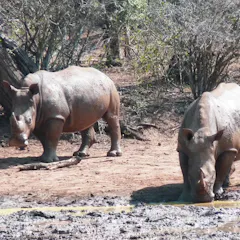
South Africa’s KwaZulu-Natal province is bearing the brunt of renewed rhino poaching efforts. This is a result of increased security and anti-poaching in the Kruger National Park.
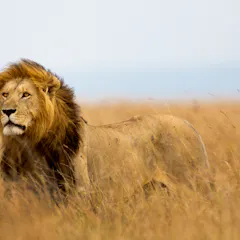
Africa prioritises and makes more of an effort for large mammal conservation than any other region in the world.

The $4m cost is almost double the anti-poaching budget for South African National Parks.
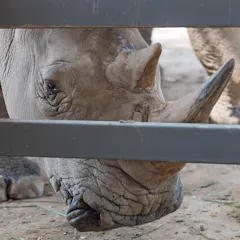
Organised crime always looks for new ways to make money. And zoo animals are an easy target.

The fascination and admiration of the natural environment may draw people closer to it, but it’s crucial to remain responsible about any desire to own a piece.
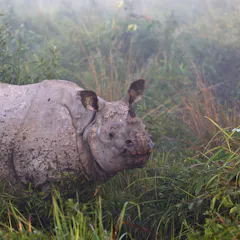
Park rangers, local people and conservationists need to find some common ground.
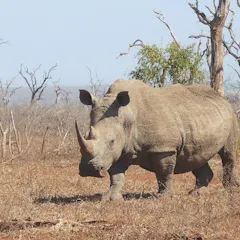
Swaziland hoped to be allowed to legally trade rhino horns but the idea was rejected by vote at the CITES conference.
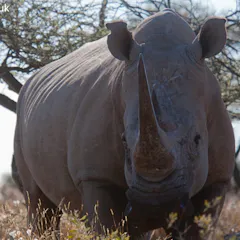
The CITES conference on international wildlife trade could determine whether these animals have a viable future.
The focus of CITES is not solely on the protection of species. It also promotes controlled trade that is not detrimental to the sustainability of wild species.
Top contributors
-

Lecturer in the School of Applied Sciences, Edinburgh Napier University
-
Visiting Professor, University of Kent
-
Research associate, Griffith University
-
PhD Fellow, University of Copenhagen
-
University Research Fellow, University of Manchester
-
Research Associate, Department of International Relations, University of the Witwatersrand; Chief Research Officer, Good Governance Africa; Managing Director, Harvey Economics Pty Ltd.
-
Research Fellow in Conservation Marketing, University of Oxford
-
Professor of Conservation and Applied Resource Economics, University of Kent
-
Associate Professor, University of Copenhagen
-
Distinguished Research Professor and Australian Laureate, James Cook University
-
Wildlife and Ecology Researcher, Universitas Indonesia
-
Professor and Chair, Southwestern Environmental Science and Policy, Northern Arizona University
-
Visiting researcher, Queen's University Belfast
-
Chief research officer: Global Risk Governance Programme, Public Law Department, Faculty of Law, University of Cape Town
-
Professor of Ecology, University of Aberdeen