

The complexity of construction projects has driven an increase in building waste, which is difficult to recycle and reuse. But there are ways to minimise the problem.
Articles on Recycling
Displaying 141 - 160 of 416 articles
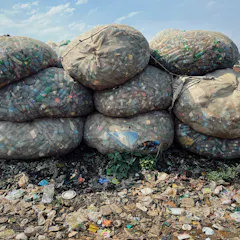
It’s important to look at the whole value chain in the plastics economy, starting with design of products that can be reused and recycled.
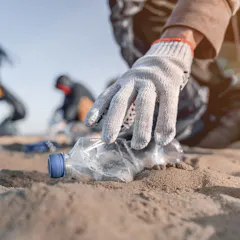
The plastic industry uses powerful tactics to convince us it’s not that bad, but in reality many of their green solutions aren’t working.
Between reuse and recycling, what happens to the batteries of electric vehicles?
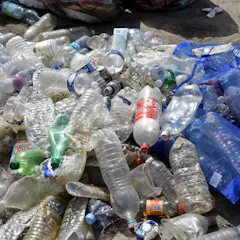
This Plastic Free July, we need to be teaching children to demand less plastic from the world’s worst producers instead of expecting change from individual recycling efforts.
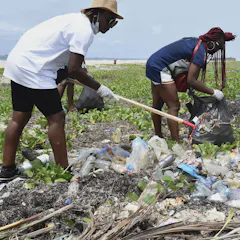
Nigeria generates 2.5 million tonnes of plastic waste yearly. Research and public enlightenment can help address the problem.

Here’s some good environmental news – local governments and local actions have slashed the plastic on our beaches. Incentives, awareness and access are the key.

Priority should be given to improving municipal solid waste management in First Nation communities because they currently lack financial resources, infrastructure and solid waste diversion programs.
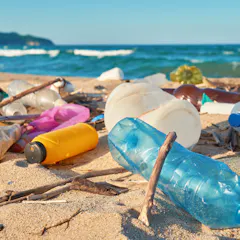
Plastic waste is a huge problem. To fix it, we need systemic change, not just a focus on picking it up or recycling plastic once it becomes rubbish.
Over 170 countries have endorsed a resolution to negotiate a plastics treaty that’s much more precise than the Paris climate change agreement.

Our new technology to recycle food waste into prebiotics uses no toxic chemicals and no fossil fuels.

Glass is produced from sand, is easy to recycle, and can be used to make concrete without any complex processing.
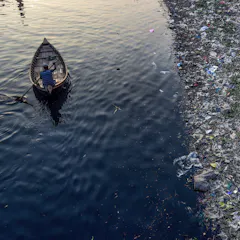
Representatives of 175 countries voted to start developing a global treaty to reduce plastic waste. Treaties addressing mercury, long-range air pollution and ozone depletion offer some lessons.
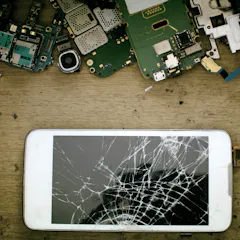
Tech companies still make it difficult to get gadgets repaired.
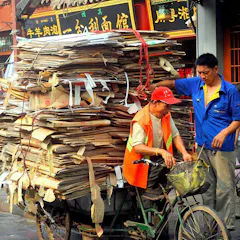
The principles of the low-tech movement offer a solution to overconsumption and rising emissions.
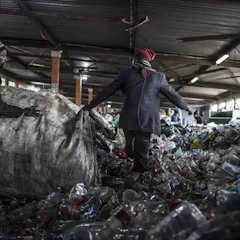
In South Africa, the work of ensuring plastic bottles are recycled lies with consumers and volunteers instead of the large industry polluters.
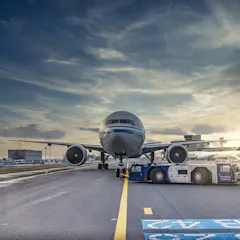
Using recycled plastic to wire planes could reduce their emissions while cutting down on waste from the 3-D printing industry.
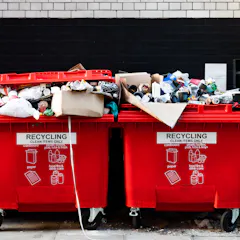
Tossing something into your recycling bin that can’t be processed does more harm than good.

These shows treat the symptoms of overconsumption but not the causes.

It’s not just about finding bargains.
Top contributors
-

Senior Research Fellow, BehaviourWorks Australia, Monash University
-
Lecturer, School of Life and Environmental Sciences, Deakin University
-
Associate Professor and Research Director, Institute for Sustainable Futures, University of Technology Sydney
-
Professor of Applied Environmental Science, University of Southampton
-
Professor of Global Environmental Politics, University of California, Berkeley
-
Research Principal, Institute for Sustainable Futures, University of Technology Sydney
-
Chair professor - Circular Economy, The University of Melbourne
-
Research Chair, Indigenous Approaches to Environmental Management, Keele University
-
Associate Professor at School of Property, Construction and Project Management, RMIT University
-
Associate Dean and Head of Project Management, RMIT University
-
Professor of Sustainable Development, Keele University
-
Research Director, Institute for Sustainable Futures, University of Technology Sydney
-
Research associate, Loughborough University
-
PhD Candidate in Environmental Science, Policy, and Management, University of California, Berkeley
-
Birkbeck, University of London