

New Zealand’s proportional electoral system makes coalition governments all but inevitable. Ahead of the October 14 election, the jockeying for power is all on the right.
Articles on Proportional representation
Displaying 21 - 40 of 57 articles

Women’s representation in Zimbabwe’s parliament has declined in spite of a quota imposed in 2013.
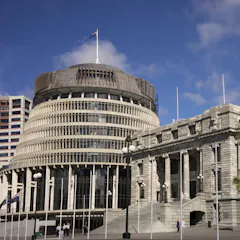
A referendum on changing New Zealand’s parliamentary term to four years would be the third such exercise in under 60 years. Why would the outcome be any different this time?

The proportional representation system has long outlived its relevance. Its negative extremes abound in local government.

It was the first time in a Westminster democracy that citizens were given the chance to change their electoral system. The rest is history.
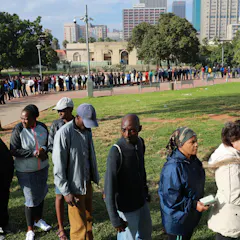
Referenda may well have a place in the country’s democracy, but if the form of an electoral system can be referred to a referendum, why not capital punishment, abortion or LGBT rights?

Lesotho has done a good job of curbing the powers of its monarch and making its electoral system inclusive.
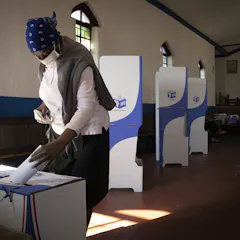
The whole idea behind independent candidates is the hope that their inclusion might improve the accountability of parliamentarians to the voters. The bill doesn’t do that.

The wave of protests across Canada against vaccine mandates are signs of growing tensions that the federal government doesn’t represent the views of many people. It’s time for election reform.

New research offers a new electoral system that can deliver proportionality and even enhance local representation.
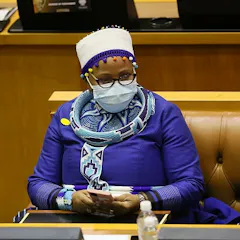
The ANC’s choice of parliamentary Speaker reflects poorly on the party leadership and contrasts starkly with President Cyril Ramaphosa’s commitment to uncorrupt governance.
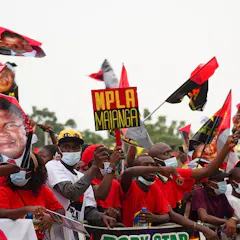
Angola needs a mixed electoral system. This would promote accountability through the direct election of representatives from constituencies.
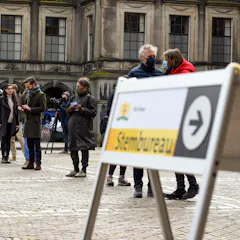
The March elections in the Netherlands, and the fact that a government still hasn’t been formed, illustrate both the benefits and problems with proportional representation.

The majority of Americans say they’d like to be able to vote for a third party. Donald Trump says he might start one. But neither is likely to happen.

The people have spoken, and MMP has delivered the right result — even if it means Labour governs alone.
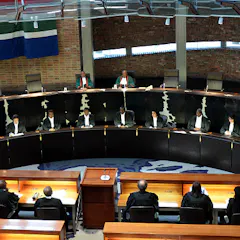
South Africa’s Constitutional Court verdict is possibly a defining moment for South Africa’s electoral system.
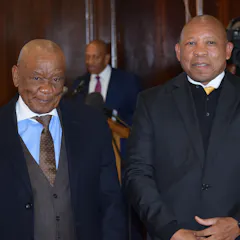
Moeketsi Majoro’s installation as Prime Minister is welcome. But it does not guarantee much needed political stability in an era of complex coalition politics.
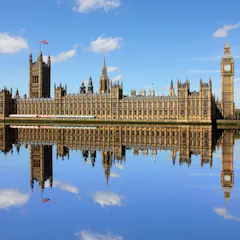
A chorus of politicians are once again calling for electoral reform after the UK’s 2019 election.
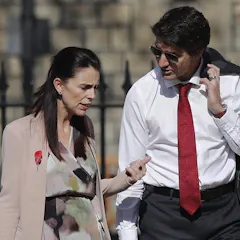
Unlike Canada’s newly elected House of Commons, New Zealand’s parliament reflects the will of voters. So do other proportional representation systems. Canada has plenty of choice.
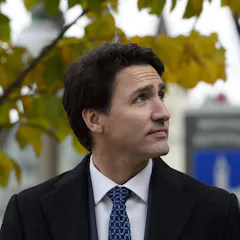
What would the Canadian election results have looked like with electoral reform?
Top contributors
-

Professor of Politics, Te Kunenga ki Pūrehuroa – Massey University
-
Professor of Sociology, University of the Witwatersrand
-
Senior Lecturer, Department of Languages and Linguistics, La Trobe University
-
Professor of Mathematics, Director of Institute for Mathematics and Democracy, Wellesley College
-
Senior Lecturer in Politics, University of Strathclyde
-
Lecturer and Teacher, Department of Politics and International Relations, Cardiff University
-
Reader in Law, City St George's, University of London
-
Anniversary Professor of Politics, University of York
-
Lecturer in Law, Durham University
-
Lecturer in Politics, University of Sheffield
-
Professor Emeritus of Political Science, Indiana University
-
Adjunct Professor, Stout Research Centre, Victoria University of Wellington and Auckland University of Technology, Professor of Political Science, Charles Sturt University
-
Assistant director, Centre for the Study of Democratic Institutions, University of British Columbia
-
Research Associate, Public Policy Institute, University of Auckland, Waipapa Taumata Rau
-
Director of Global Languages, Massachusetts Institute of Technology (MIT)