
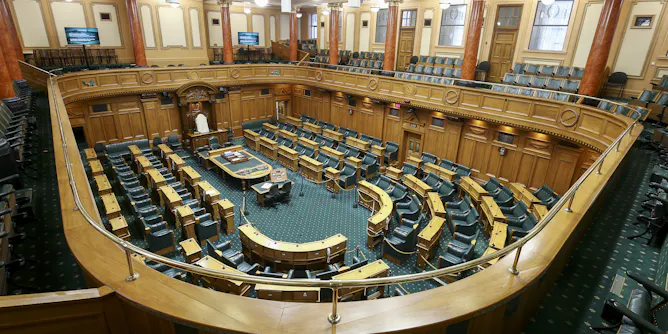
New Zealand’s parliament is small compared to similar countries. Proportionality will be increasingly hard to achieve without adding more seats.
Articles on MMP
Displaying 1 - 20 of 43 articles
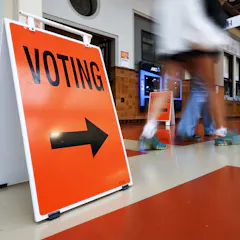
Two previous opportunities to improve the way MMP works have been missed. The 2026 election result shows why better stewardship of the system is needed.
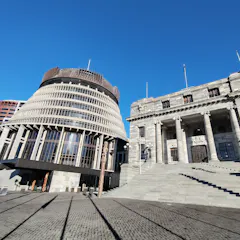
There are strong incentives for the parties in parliament to find a way forward – not least the prospect of being punished at a new election for failing.
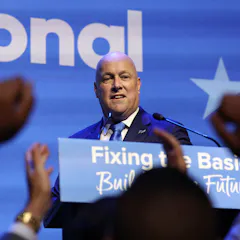
An unprecedented MMP election result suggests the tectonic plates of New Zealand politics are drifting, with the electoral rules struggling to compensate.
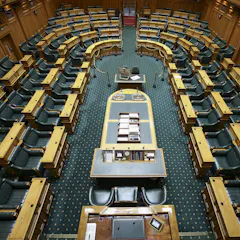
Current overhang provisions skew proportional representation and provide incentives to distort the electoral system. But finding a fair solution is proving difficult.
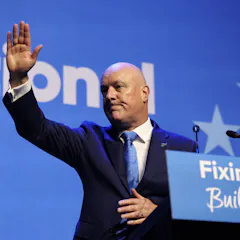
The final election result won’t be known for three weeks and coalition negotiations will take even longer. But it’s not correct to say ‘there’s no government’.
Provisional results suggest a parliamentary overhang of nine seats, which means a majority requires 66 seats.
With so many variables in play, and polls pointing to a very tight result, there may be no obvious winner on the night – and a long wait for a new government.
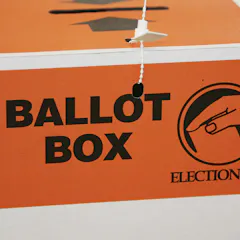
Vote splitting and parliamentary overhangs are not unheard of in New Zealand elections. But making them a deliberate campaign tactic is different.

As National and Labour slide in the polls to the benefit of smaller parties, politicians, political media and voters will need to adapt to new ways of thinking.
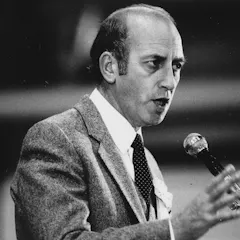
A new book examines the outsized influence of one man on the pivotal 1984 election which ushered in a new New Zealand.
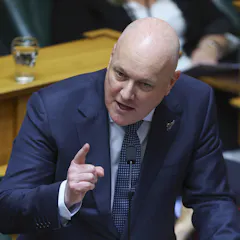
The history of electoral reform in NZ is full of policy surprises. But the prime minister’s latest announcement still makes little political sense.

ACT won’t work with Labour, Labour won’t work with NZ First, National won’t work with Te Pāti Māori … What happened to the cross-party compromise MMP was meant to foster?

As he prepares to blow out 80 candles this Friday, New Zealand’s Deputy Prime Minister Winston Peters continues to defy political gravity.

The election of the Lange-Douglas government on July 14, 1984, was the moment the old New Zealand gave way to a new New Zealand. Its historic influence is still felt in most areas of life today.

Arguments for electoral reform in the UK just got stronger with a low Labour vote delivering a massively disproportionate number of seats.
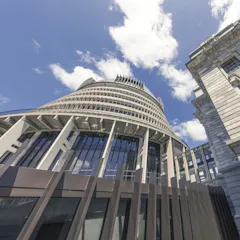
The coalition is increasingly using parliamentary urgency, cutting the public service and fast-tracking legislation – all of which risks upsetting the equilibrium between government and the governed.

The country’s first formal three-party coalition will test Christopher Luxon’s promise of ‘strong and stable’ government – and the minor parties’ patience if things don’t go their way.
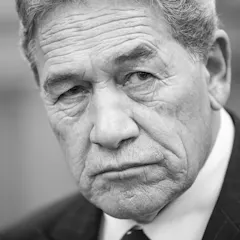
National and ACT will need to get past their animosity towards NZ First, and its mercurial leader Winston Peters, if the right wing coalition is to have any hope of forming a government.
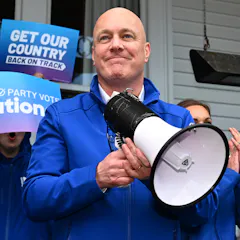
Ahead of Friday’s final election results, the most likely outcome is National and ACT will need to add NZ First to form a right-wing coalition government. These are the results and seats to watch.
Top contributors
-

Professor of Politics, Te Kunenga ki Pūrehuroa – Massey University
-
Research Associate, Public Policy Institute, University of Auckland, Waipapa Taumata Rau
-
Election Analyst (Psephologist) at The Conversation; and Honorary Associate, School of Mathematics and Statistics, The University of Melbourne
-
Professor of Political Science, Te Herenga Waka — Victoria University of Wellington
-
Senior Research Fellow, National Centre for Research on Europe, University of Canterbury
-
Honorary Research Fellow, University of Otago
-
Senior Lecturer in Politics, University of Canterbury
-
Professor, Political Science and International Relations, Te Herenga Waka — Victoria University of Wellington
-
Senior Lecturer, National Centre for Research on Europe, University of Canterbury
-
Professor of Politics, University of Canterbury
-
Professor of History, Auckland University of Technology
-
Senior Lecturer in Political Science, Te Herenga Waka — Victoria University of Wellington
-
The Conversation
-
Adjunct Professor, Stout Research Centre, Victoria University of Wellington and Auckland University of Technology, Professor of Political Science, Charles Sturt University
-
Senior Lecturer in Politics, Lincoln University, New Zealand