
New forms of artistic expression are driving debates in East Africa that challenge sensitive subjects. But the backlash has been vicious.
Articles on Press freedom
Displaying 161 - 180 of 222 articles
Fake news is not new, but it is inevitable and inescapable - which is why we need uncomfortable, critical and truthful journalism to prevail.
South African investigative journalists and civil society played a crucial role in bringing a country in the clutches of patronage networks back from the brink.
There have been growing concerns about Kenya’s interference in the media’s work.

The only reason journalists will mourn the demise of TV news station ANN7 will be the loss of jobs.
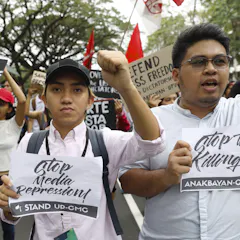
Rodrigo Duterte’s authoritarianism has progressed from death squads and martial law to cracking down on press freedom.
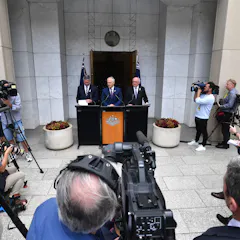
New laws aiming to crack down on foreign interference in Australian politics suggest the concept of ‘national security’ is continually expanding.
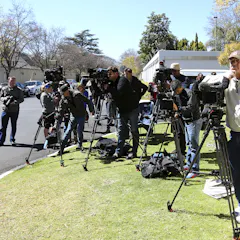
Forty years after the apartheid regime clamped down on the free press, South Africa’s media continues to face threats, albeit in more subtle forms than in the past.

As South Africa marks Media Freedom Day, it’s clear that its battle isn’t over. Attacks on journalists continue –through physical intimidation and there’s also the threat of new laws.
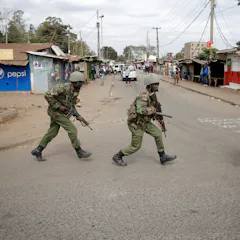
Kenya’s press has admitted to self-censorship after the August 8th poll to avoid a repeat of 2008’s post-election violence. But by refusing to inform the public has the media lost credibility?
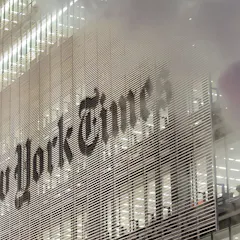
A newspaper’s job is to publish information. But fingers should be pointed at whoever leaked it.
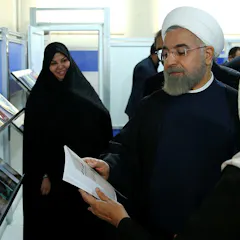
Handing over censorship to authors and writers themselves may actually make it harsher.
On World Press Freedom Day, we must deal with the threat data collection and surveillance poses to journalism.
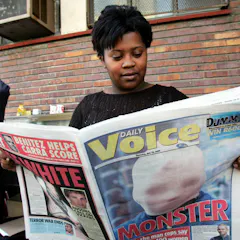
The growth of new, vibrant, independent media sites and projects in South Africa have challenged conceptions of what a newsroom is. On limited budgets, some even fare better than mainstream media.
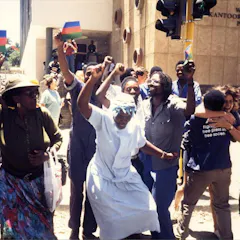
Namibia contributes a positive image to Africa in governance and other indicators. But the reality for most of the country’s 2.3 million people isn’t quite as rosy.

The growing incidence of racism on social media in South Africa suggests that there are consequences. Whether there ought to be criminal sanctions remains an ongoing debate.
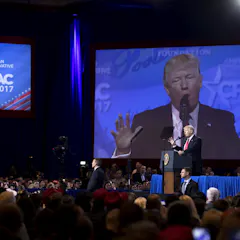
The US president’s attack on confidential sources is one of many legal and technological threats to public interest journalism, as a new report shows
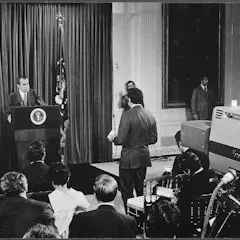
The beleaguered new president is driving a wedge between his citizens and the media. Nixon would have been proud.
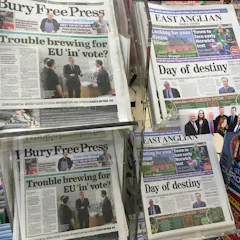
Fleet Street is up in arms against a law they say will kill investigative journalism. That simply isn’t true.
EU law needs to recognise that privacy and free expression are matters of colliding rights which can’t be wished away.
Top contributors
-

Professorial Fellow, University of Canberra
-
Professor of Journalism and Communications, Macquarie University
-
Senior Research Fellow, Centre for Advancing Journalism, The University of Melbourne
-
Full Professor in Journalism, Dublin City University
-
Reader in International Journalism, City St George's, University of London
-
Professor, TC Beirne School of Law, The University of Queensland
-
Professor in Media and Communication, Goldsmiths, University of London
-
Associate Professor in International Relations & Academic Director of the Royal Air Force College Cranwell, University of Portsmouth
-
Caxton Professor of Journalism, University of the Witwatersrand
-
Emeritus Professor of Journalism, Cardiff University
-
Senior Lecturer, School of Arts and Social Sciences, Department of Journalism, City St George's, University of London
-
Professor and Lee Hills Chair of Free Press Studies, University of Missouri-Columbia
-
Professor of Communications, University of Westminster
-
Director of Undergraduate Studies, School of Journalism, Media and Cultural Studies, Cardiff University
-
Professor of Media Industries, University of Nottingham