
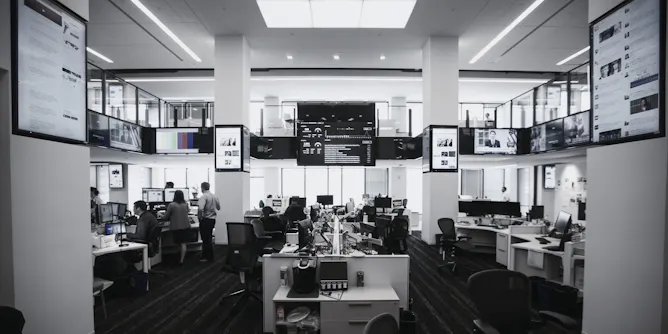
In a time when media companies are more cash-strapped than ever, the threat of defamation action has a chilling effect on the stories that get told.
Articles on Press freedom
Displaying 41 - 60 of 222 articles

The release of Gershkovich and his fellow hostage highlights the way some authoritarian regimes have cynically used such people as pawns in geopolitical manoeuvres.

Justice has finally prevailed as wrongfully imprisoned journalists are freed. But what does this complicated deal mean for future hostage diplomacy?
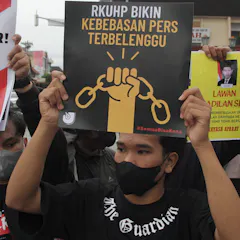
Last year, there were 87 violent incidents against journalists in Indonesia. And late last month, a journalist and his family died in an arson attack at their home.

Gershkovich is the first foreign correspondent to be charged with spying since the end of the cold war.
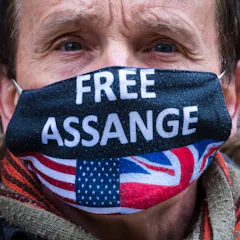
The ordeal should prompt deep reflection on the values that underpin Australia’s relationship with its most important security ally, the US.
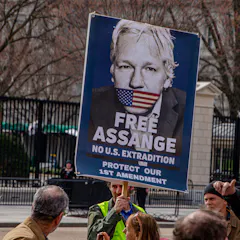
My own ordeal in Egypt, where I was imprisoned on terrorism charges, was nothing compared to Assange’s. But I understand the weird blend of elation, confusion and disorientation sudden release brings.

The Wikileaks founder will return to Australia after years behind bars and in exile. What happens now?

UK press freedom has come under threat.
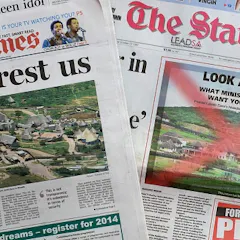
There is much to celebrate about the critical role the media have played in 30 years of democracy. But challenges remain.
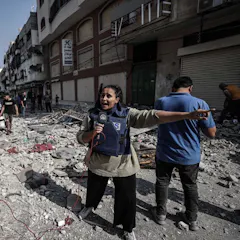
Experts say mainstream media coverage of the war in Gaza is severely skewed — with Palestinian voices getting stifled.
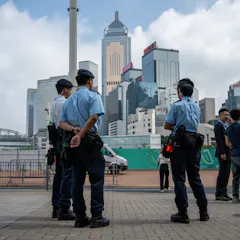
In the space of two decades, Hong Kong’s liberal constitutional order has been transformed into a security regime that grants citizens few civil liberties

Important factors, such as conflict, are central to understanding a country’s degree of press freedom, development and democratisation.
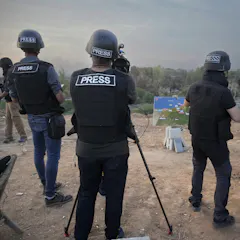
New statistics show a spike in the amount of journalists jailed in the country. To protect its democracy, Israel needs to be transparent about why members of the media are arrested.

New Zealand was mostly stable in key international rankings and domestic socio-economic measures. But there are signs of slippage in some areas and not enough progress in others.
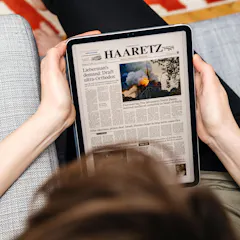
The Netanyahu government is pressuring Israel’s most prominent left-leaning newspaper over its coverage of the war in Gaza.
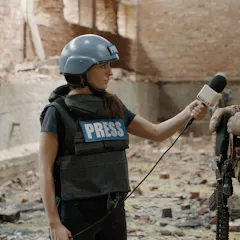
Hundreds of Australian journalists signed an open letter to news organisations calling for better coverage of the war. It calls their impartiality into question.
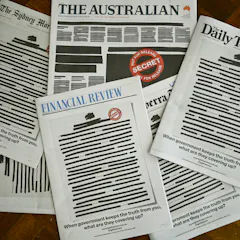
Today, the government released a review into Australia’s patchwork of a secrecy law system. The proposed changes are a step in the right direction, but there’s so much more work to do.

The justice ministry had more than enough time to make the law constitutional. Failure to do so is an indictment on its leadership in the process.
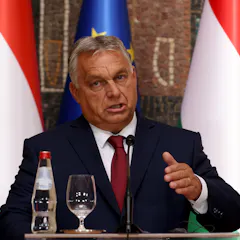
Authoritarian populists tolerate opposition media – as long as they only exist at the margins.
Top contributors
-

Professorial Fellow, University of Canberra
-
Professor of Journalism and Communications, Macquarie University
-
Senior Research Fellow, Centre for Advancing Journalism, The University of Melbourne
-
Full Professor in Journalism, Dublin City University
-
Reader in International Journalism, City St George's, University of London
-
Professor, TC Beirne School of Law, The University of Queensland
-
Professor in Media and Communication, Goldsmiths, University of London
-
Associate Professor in International Relations & Academic Director of the Royal Air Force College Cranwell, University of Portsmouth
-
Caxton Professor of Journalism, University of the Witwatersrand
-
Emeritus Professor of Journalism, Cardiff University
-
Senior Lecturer, School of Arts and Social Sciences, Department of Journalism, City St George's, University of London
-
Professor and Lee Hills Chair of Free Press Studies, University of Missouri-Columbia
-
Professor of Communications, University of Westminster
-
Director of Undergraduate Studies, School of Journalism, Media and Cultural Studies, Cardiff University
-
Professor of Media Industries, University of Nottingham