

Research shows that managed honey bees may pose a threat to free roaming honey bee populations.
Articles on Pesticides
Displaying 121 - 140 of 196 articles
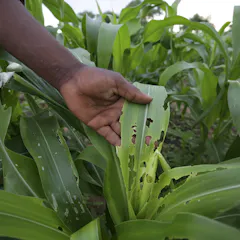
Farmers should use biopesticides - naturally occurring substances that kill pests such as the fall armyworm - instead of using pesticides, which are often highly toxic.
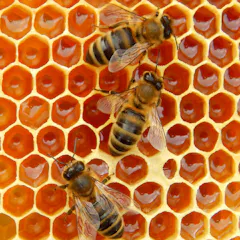
Remote sensors allowed us to observe the in-hive activities of honeybees, which could be key to keeping bee colonies worldwide healthy.
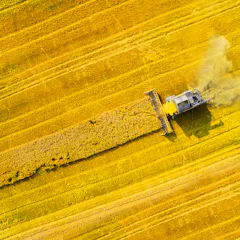
A guide to the battle for the future of farming.
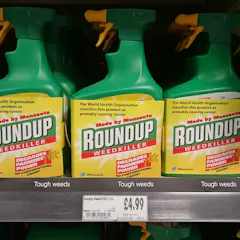
Thousands of people are suing Monsanto, claiming that its Roundup herbicide gave them cancer. A California judge has reduced the first damage award but let the verdict against Monsanto stand.

The participants who chose more organically grown foods over 4.5 years had slightly lower rates of cancer. But it doesn’t necessarily mean one thing caused the other.
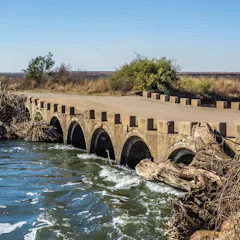
Harmful pesticides have been found in the widely consumed sharptooth catfish found in a river that runs through Johannesburg.
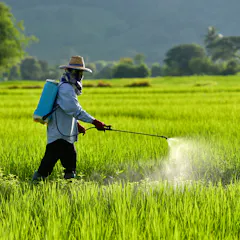
Evidence shows that outright bans save lives.
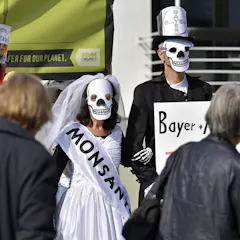
Bayer, the new owner of Monsanto, will need to up its PR efforts, in the wake of last week’s legal ruling on glyphosate weedkillers.
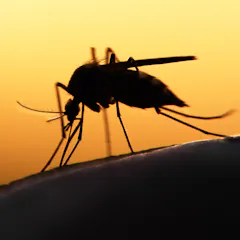
For several billion people mosquitoes are more than a nuisance – they transmit deadly diseases. Now genetic modification may prove the most effective defense against the mosquito, preventing disease.
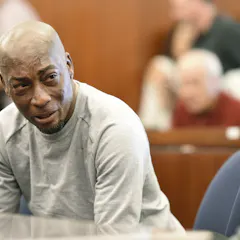
A jury concluded on Aug. 10 that exposure to the herbicide Roundup caused Dewayne Johnson’s cancer and ordered the company to pay $289 million in damages. Thousands more claims are pending.
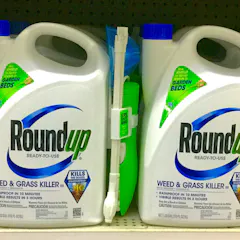
Hundreds of lawsuits against Monsanto contend that its popular Roundup weed killer gave users cancer. But proving this kind of connection is challenging in both science and law.

Oomycete spores hack into plants to get what they need, causing agricultural disease. Can researchers figure out how to close plants’ security loopholes and create more resilient crops?
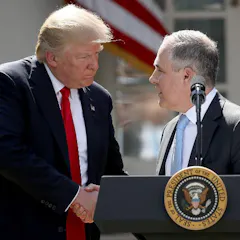
Conservatives have long tried to attack regulators such as the EPA with “weaponized transparency”. Coupled with the inflation of uncertainty, the intent is to make regulations impossible.
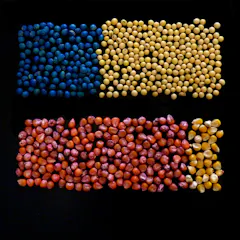
US farmers are planting more and more acres with seeds coated with neonicotinoid pesticides. An ecologist explains why this approach is overkill and may be doing more harm than good.
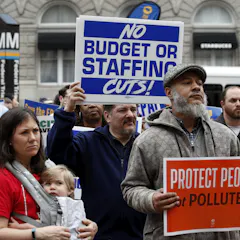
Government agencies are supposed to listen to the industries they regulate, but what if they tune out everyone else? Scholars call this regulatory capture, and some staffers see it happening at EPA.
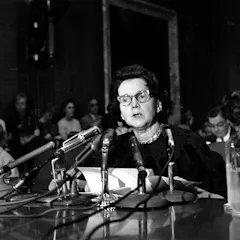
Did Rachel Carson catalyze the organic farming movement, as many advocates claim? Or would she reject their ban on synthetic fertilizer and see organic as an inefficient way to feed the world?
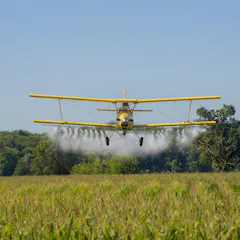
Chemical companies touted synthetic insecticides and herbicides as miracle products in the 1940s and 1950s. But farmers and cropdusting pilots didn’t always buy the sales pitch.
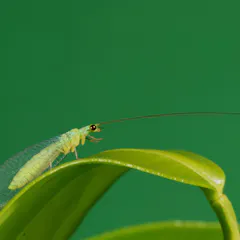
Not all bugs are bad! Put down the pesticides and get to know the predators and parasites hidden around you.
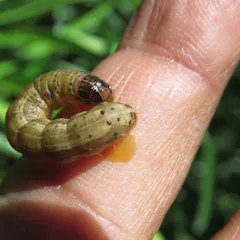
The Fall armyworm will remain in Africa for a long time unless concerted action is taken.
Top contributors
-

Senior Lecturer in Pharmacology, Adelaide University
-
Professor of Biology (Evolution, Behaviour and Environment), University of Sussex
-
Lecturer in Ecology, University of New England
-
Professor, School of Medicine, University of Connecticut
-
Vice Chancellor's Research Fellow in Ecology and Entomology, Edith Cowan University
-
Professor/Professeure titulaire, Eau Terre Environnement Research Centre, Institut national de la recherche scientifique (INRS)
-
Professor of Entomology and Extension Specialist, Penn State
-
Senior Visiting Fellow, School of Medical Sciences, UNSW
-
Emeritus Professor of Biology, University of Bath
-
Executive Director, Swette Center for Sustainable Food Systems, Arizona State University
-
Associate Professor, Department of Entomology; African-American Studies, University of Illinois Urbana-Champaign
-
Clinical Associate Professor, School of Medical Science & Sydney Infectious Diseases Institute; Principal Hospital Scientist, University of Sydney
-
Professor; Dean, Melbourne School of Land and Environment, The University of Melbourne
-
Associate, Sustainability Science, Harvard Kennedy School, Harvard University
-
Associate professor, University of Nebraska – Kearney