

Climate change, globalization and concerns about rat poison soon could drive rat infestations to levels not seen in centuries. One way to curb them is getting humans to stop wasting food.
Articles on Pesticides
Displaying 101 - 120 of 196 articles
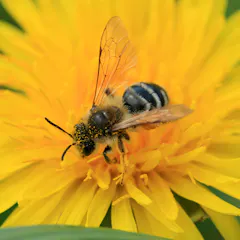
The sustainability of African agriculture is critical to the continent’s food security and for maintaining agriculture’s contribution to Africa’s rural communities and national economies
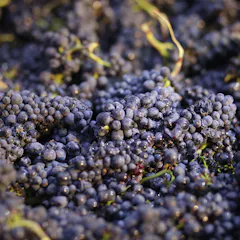
Starting Feb. 6, 2020, California farmers will be barred from using chlorpyrifos on their crops. The Trump administration says more study is needed, but other states are also moving ahead.
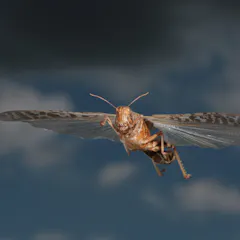
Countries should promote alternatives to pesticides and more carefully examine how to prevent insect invasions in the first place
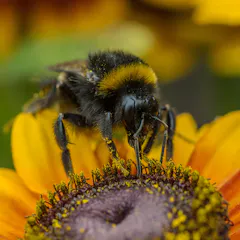
Regulators are still licensing insecticides without properly assessing whether they harm the wildlife on which we rely.
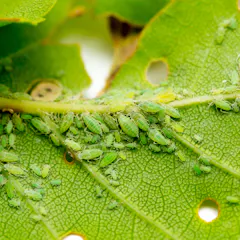
Certain wasps and flies which lay their eggs in specific species such as aphids could be a sustainable form of pest control.
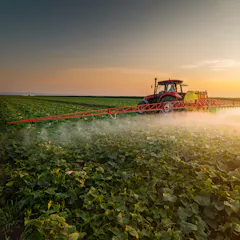
Pesticides have become almost essential for agriculture, but their misuse can have negative effects on crops too.
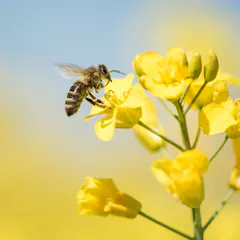
It’s unlikely that all species of bees will go extinct anytime soon – but current losses could still have a terrible impact on food supplies and ecosystems.
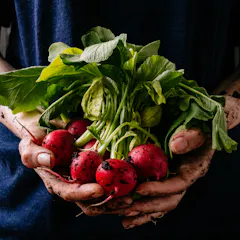
Because of the way scientific studies are conducted, it’s been hard to health benefits from eating organic food. A new study suggests, however, that there are ways to find out.
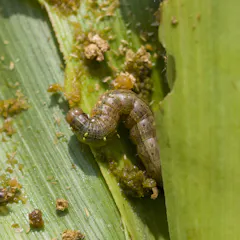
The rice-eating fall armyworm has spread across Asia in a year and is now found in half the provinces of China.

Weeds are serious problems on sports fields, parks and other sites covered with turfgrass. A new strategy uses mechanical force to kill them instead of chemical herbicides.
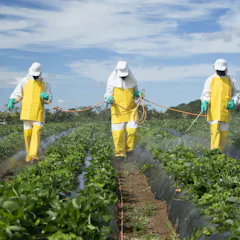
Most studies on the use of pesticides are funded by those that produce the chemicals but only independent research can inform us about the best agricultural practices.
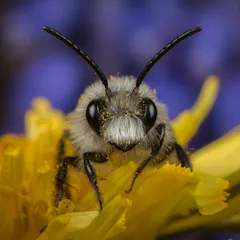
Amid the insect extinction crisis, some species are actually increasing. Here’s why that’s not necessarily a good thing.
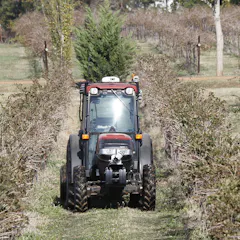
Digital innovations have the potential to empower farmers and revolutionise agriculture, but many could also lock them in to unsustainable methods.

Chemical pollution and hunting pushed Ospreys to the edge of extinction in the mid-20th century. Today, they have rebounded and can be spotted worldwide, often nesting on manmade structures.
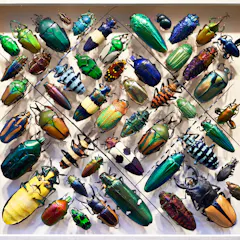
A recent report warned that insects ‘could vanish by the end of the century’. Here’s why that would cause a collapse of nature.
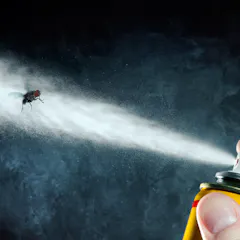
It’s easy to whip out the fly spray, but our fondness for pesticides can bring knock-on effects such as increased resistance, and harming beneficial insects in and around our homes.
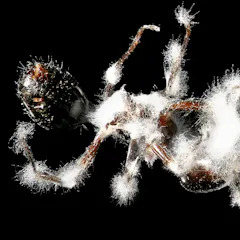
New research shows teaming fungi with ‘friendly’ viruses could create an environmentally sustaiable and efficient way to protect crops.
The six food trends likely to be front and centre in 2019.
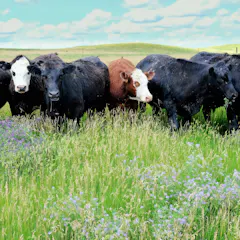
US agriculture is dominated by large farms that rely on chemical inputs. In contrast, regenerative farming makes land and water healthier by mimicking nature instead of trying to control it.
Top contributors
-

Senior Lecturer in Pharmacology, Adelaide University
-
Professor of Biology (Evolution, Behaviour and Environment), University of Sussex
-
Lecturer in Ecology, University of New England
-
Professor, School of Medicine, University of Connecticut
-
Vice Chancellor's Research Fellow in Ecology and Entomology, Edith Cowan University
-
Professor/Professeure titulaire, Eau Terre Environnement Research Centre, Institut national de la recherche scientifique (INRS)
-
Professor of Entomology and Extension Specialist, Penn State
-
Senior Visiting Fellow, School of Medical Sciences, UNSW
-
Emeritus Professor of Biology, University of Bath
-
Executive Director, Swette Center for Sustainable Food Systems, Arizona State University
-
Associate Professor, Department of Entomology; African-American Studies, University of Illinois Urbana-Champaign
-
Clinical Associate Professor, School of Medical Science & Sydney Infectious Diseases Institute; Principal Hospital Scientist, University of Sydney
-
Professor; Dean, Melbourne School of Land and Environment, The University of Melbourne
-
Associate, Sustainability Science, Harvard Kennedy School, Harvard University
-
Associate professor, University of Nebraska – Kearney