
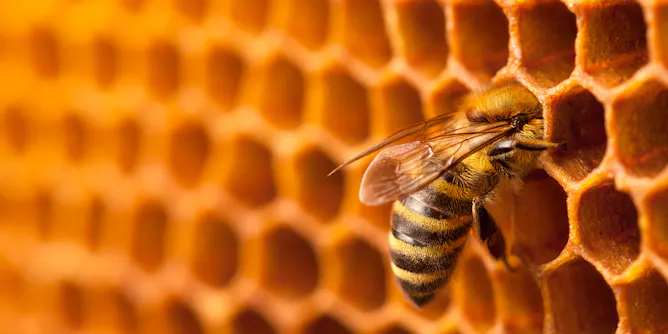
The report results could help explain honeybee colony deaths.
Articles on Pesticides
Displaying 61 - 80 of 196 articles
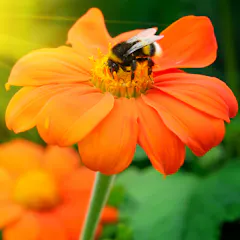
Seventy-two per cent of native bumblebee species in North America are cutting their winter hibernation short by timing their emergence to earlier spring onsets.

Honey bees, wild and native bees face threats from parasites, pesticides and habitat loss. Shorter winters, more extreme weather and more habitat destruction won’t help.

Published in 1962, ‘Silent Spring’ called attention to collateral damage from widespread use of synthetic pesticides. Many problems the book anticipated persist today in new forms.
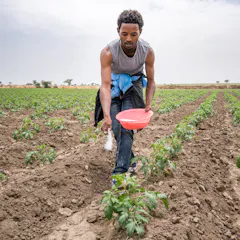
Farmers who use little or no fertiliser can use ecological practices to increase their yields.
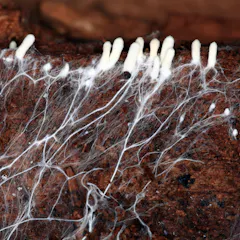
The new State of the Environment report shows Australia’s soil and the life it holds is in poor condition. We need to protect our underground biodiversity.
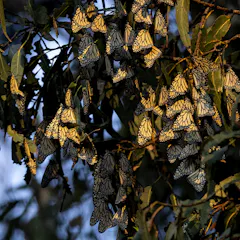
The iconic monarch butterfly has been added to the Red List of endangered species, but hasn’t received protection in the US yet. That’s not necessarily a bad thing.
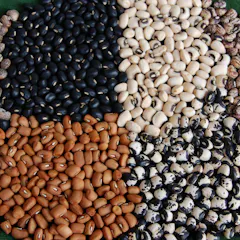
Cowpea is an important crop in Ghana. What will a genetically modified version mean for the country’s farmers?
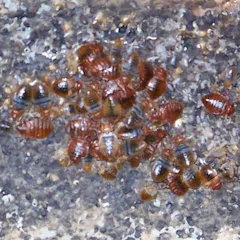
Bed bugs are pretty much universally reviled. But a public health entomologist explains how – while potentially traumatizing to deal with – they aren’t likely to make you sick.

Cleaning up the Great Lakes was a big job when the US and Canada undertook it in 1972. Today it’s far more challenging.

There is abundant evidence of the involvement of endocrine disruptors in reproductive dysfunction in several species, including humans.

Studies suggest that seeds coated with neonicotinoid insecticides may harm nontarget insects, mammals and birds. In response, states are starting to restrict use of these products.
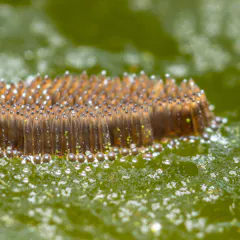
The insecticide Bti kills target organisms like mosquitoes and blackflies, but new research shows it may also have negative effects on non-target species like frogs.
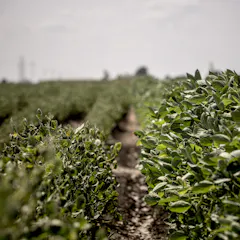
Farmers are stuck in a chemical war against weeds, which have developed resistance to many widely used herbicides. Seed companies’ answer – using more varied herbicides – is causing new problems.
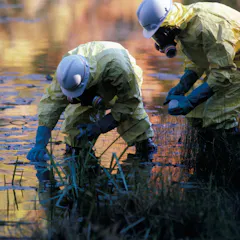
The production and release of synthetic chemicals worldwide is destabilising the Earth system.

An expert on organic agriculture argues that the US is missing an economic and environmental opportunity by not working to scale up organic production.
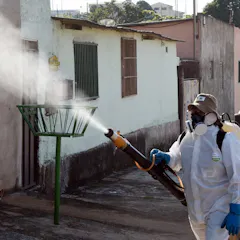
A new study shows that the pesticide pyriproxyfen – widely used in Brazil during the Zika outbreak of 2015 – could disrupt thyroid hormones and thus affect brain development in children.
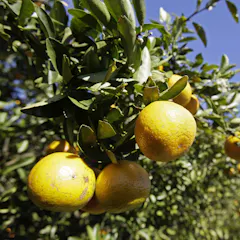
What kind of evidence does it require to get a widely used chemical banned? A professor of medicine and former state regulator explains how the case for chlorpyrifos as a threat to public health developed.
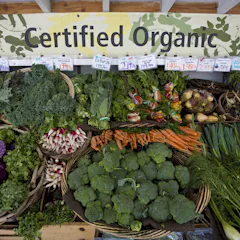
Four out of five Americans regularly buy some kind of organic food. An expert on the industry says more federal support could greatly expand organic farming and its environmental benefits.
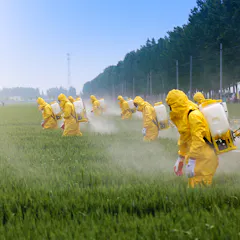
New research reveals an overlooked, but potentially significant, problem with agrochemicals and pollinators.
Top contributors
-

Senior Lecturer in Pharmacology, Adelaide University
-
Professor of Biology (Evolution, Behaviour and Environment), University of Sussex
-
Lecturer in Ecology, University of New England
-
Professor, School of Medicine, University of Connecticut
-
Vice Chancellor's Research Fellow in Ecology and Entomology, Edith Cowan University
-
Professor/Professeure titulaire, Eau Terre Environnement Research Centre, Institut national de la recherche scientifique (INRS)
-
Professor of Entomology and Extension Specialist, Penn State
-
Senior Visiting Fellow, School of Medical Sciences, UNSW
-
Emeritus Professor of Biology, University of Bath
-
Executive Director, Swette Center for Sustainable Food Systems, Arizona State University
-
Associate Professor, Department of Entomology; African-American Studies, University of Illinois Urbana-Champaign
-
Clinical Associate Professor, School of Medical Science & Sydney Infectious Diseases Institute; Principal Hospital Scientist, University of Sydney
-
Professor; Dean, Melbourne School of Land and Environment, The University of Melbourne
-
Associate, Sustainability Science, Harvard Kennedy School, Harvard University
-
Associate professor, University of Nebraska – Kearney