
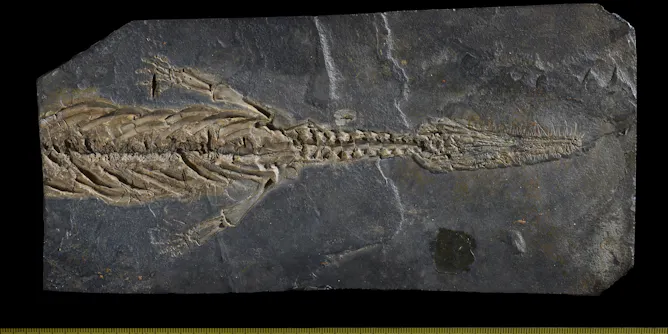
Ancient indigenous people often collected fossil shells, teeth and bones that have provided critical clues about human origins.
Articles on Palaeontology
Displaying 161 - 180 of 239 articles
What can we expect from our future climate after looking at the ‘Hothouse Earths’ of the past?
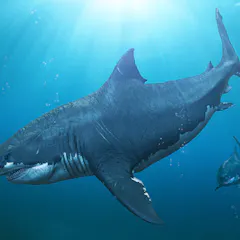
Megalodons are the latest Hollywood monster to leap out of the fossil record, but what else is lurking in prehistoric seas?
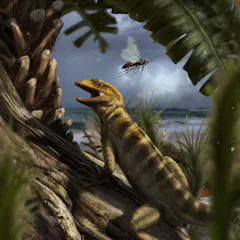
A new study of an ancient fossil has found it to be the earliest lizard known, so far. It shows they survived one the greatest mass extinctions on Earth.
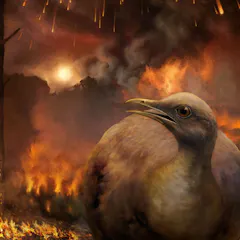
New research shows that ground-dwelling birds were more likely to survive the mass extinction at the end of the Cretaceous period.
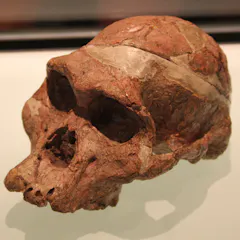
Museums might look dull and old from the outside, but they house a wealth of knowledge that we cannot afford to lose.
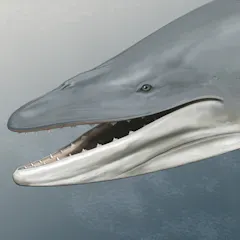
Baleen whales are some of the least likely mammals, supporting their massive bodies by filtering tiny prey. New evidence from an ancient fossil sheds new light on how baleen evolved.
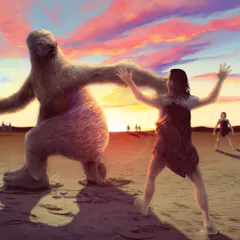
How we discovered ancient footprints of early human hunters and their megafauna prey.
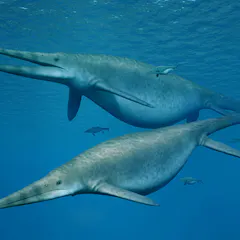
A jaw bone found on a beach in Somerset could be from the largest ichthyosaur of its kind ever discovered.
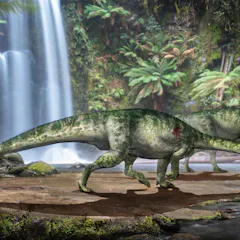
New research uses pathology in dinosaur bones to look at predator-prey interactions in the fossil record.
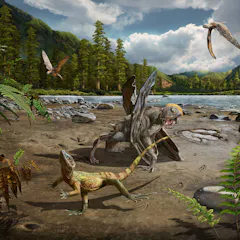
Bipedal movement has existed in modern reptiles for much longer than we previously knew.
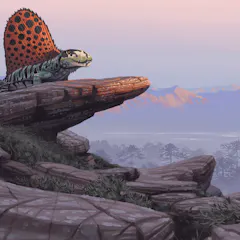
A drying climate caused a mass extinction among plants, but paved the way for the ancestors of modern reptiles, mammals, and birds.
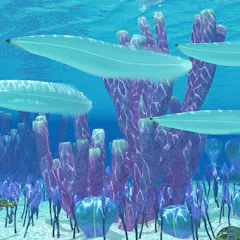
New research suggests life on Earth became more diverse because of a change in biology related to stem cells, not just rising oxygen levels.
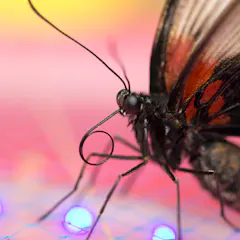
Lepidoptera insects are at least 70m years older than we previously knew.
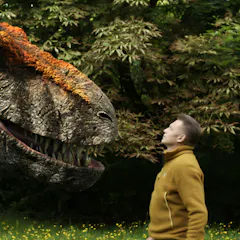
A consultant on Chris Packham’s latest dinosaur show about Tyrannosaurus Rex explains how they kept it entertaining but accurate.
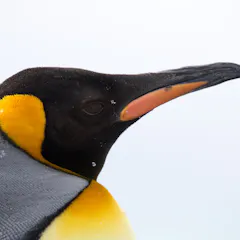
Scientists in New Zealand have discovered an extinct penguin known as Kumimanu biceae that was 1.77m tall.
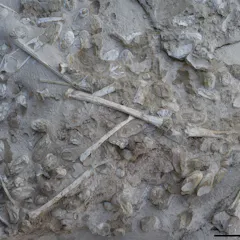
Researchers use CT scanners to take first look inside pterosaur eggs.
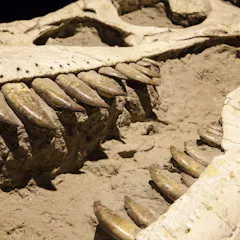
Scientists can be overly thirsty for dinosaur blood.
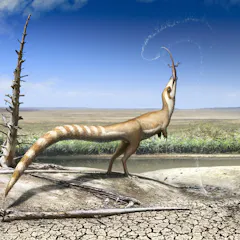
Reconstructing the colours of the feathered Sinosauropteryx gives hints about its habitat and lifestyle.
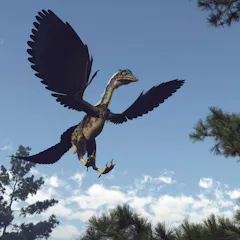
New research shows how dinosaurs suppressed their teeth and grew beaks, and then back-shifted this process from adult to embryo stage.
Top contributors
-

Professor of Vertebrate Palaeontology, University of Bristol
-
Associate professor in Vertebrate Palaeontology, University of the Witwatersrand
-
Senior Lecturer in Paleontology and Evolutionary Biology, Life Sciences at the University of Bath, University of Bath
-
Professor in Geochronology and Geochemistry, Southern Cross University
-
Technical Specialist in Earth Sciences, University of Bristol
-
Emeritus Strategic Professor in Palaeontology, Flinders University
-
Senior Research Scientist, South Australian Museum; Flinders University
-
Professor in Geochronology, School of Natural Sciences, Macquarie University
-
Professor, Palaeobiology, University College Cork
-
Chancellor's Fellow in Vertebrate Palaeontology, University of Edinburgh
-
Research Associate in the College of Science and Engineering, Flinders University
-
Research Associate, African Centre for Coastal Palaeoscience, Nelson Mandela University
-
Professor of Palaeobiology, University of Portsmouth
-
Lecturer in the School of Applied Sciences, Edinburgh Napier University
-
Professor of Dinosaur Paleontology, University of the Witwatersrand