

The claim there is no evidence painkillers combined with lower doses of codeine are more effective in treating pain, is misleading. As are others in this debate.
Articles on Pain
Displaying 181 - 200 of 269 articles

It’s a multi-lingual effect.

We no longer perform surgery on babies without drugs, but a new study shows that we may be underestimating how much pain babies feel when they are under stress.

Excruciating pain at the end of life is extremely rare. The evidence shows pain and other symptoms, such as fatigue, insomnia and breathing issues, actually improve as people move closer to death.

CC BY-ND16.4 MB (download)
Pain is something everyone experiences. This episode of The Anthill podcast explores how and why it works in our brains, what kinds of drugs are being developed to reduce pain, and whether or not robots of the future should be built so that they experience pain.

For centuries, in Western societies, ‘euthanasia’ referred to a pious death, blessed by God. The pain that could accompany dying was seen as ultimately redemptive.

If opioids prevent significant suffering, then the solution to the prescription opioid problem cannot simply be to stop using them.

From broken limbs to blood tests, hospital visits can cause unnecessary pain for children. An emergency care pediatrician offers seven easy strategies for parents to lessen this pain.

People’s minds can be fooled into experiencing both pain and pain relief.
There are several ways into the book Shaping the Fractured Self: poetry of chronic illness and pain, edited by Heather Taylor Johnson. And there are many uses it might serve in the multiple worlds of poetry…

Drug deaths are rising faster than ever. How did we get here and what to do about it?

Be careful about where you try this out.

A study found parents who were less distressed were more able to support their child during a medical procedure, and this increased the child’s ability to cope and decreased child distress and pain.

Asking people about morality and empathy may not yield sincere answers. Moral sentiments, can, indeed, be measured.

Prescriptions of the drug pregabalin to treat sciatica have skyrocketed in recent years. But a new study shows it brings only side effects, and not relief for sufferers.

Chronic pain often comes with other illnesses. Researchers have now shown that genetics can play a part in how likely you are to suffer.
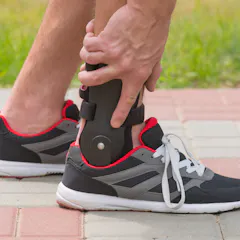
Our brains tell our bodies to move differently when we have pain. And there is emerging evidence to show changing how we move could actually contribute to the development of chronic pain.

In ‘Westworld’s’ land of robots, it’s the people who lack humanity.

Mice increase their pain sensitivity when they see others suffer. Could the same be true for humans?

What makes aspirin different to other NSAIDs, used to relieve pain, is its ability to thin the blood. It is used to prevent blood clotting in those at risk of heart disease and stroke.
Top contributors
-

Conjoint Clinical Associate Professor, Deakin University School of Medicine and Specialist Pain Medicine Physician, Deakin University
-
Associate Professor of Physiotherapy, University of Technology Sydney
-
Bradley Distinguished Professor, Adelaide University
-
Associate Professor at NICM Health Research Institute, Western Sydney University
-
Professor of Psychology, University of Bath
-
Professor of Medical and Feminist Anthropology, Birmingham City University
-
Professor in Neuroimmunopharmacology, Adelaide University
-
Reader in Clinical Health Psychology & Science, Medicine & Society Network, UCL
-
Associate Professor and Psychologist in Pediatric Pain, University of Calgary
-
Assistant Professor, University of Connecticut School of Nursing; Assistant Director, UCONN Center for Advancement in Managing Pain, University of Connecticut
-
Associate Professor of Anesthesiology, University of Colorado Anschutz
-
Lecturer in the School of Physiology, Faculty of Health Sciences, University of the Witwatersrand
-
Senior Research Officer, Neuroscience Research Australia
-
Clinical pharmacist and Scientia Associate Professor at the National Drug and Alcohol Research Centre, UNSW
-
Honorary Senior Research Fellow, University of Oxford