

Research suggests that communication, expectations and trust can influence how people experience pain and respond to treatment.
Articles on Pain
Displaying 1 - 20 of 269 articles

Pain is chronic when it lasts longer than three months. But by itself, it’s typically not enough to qualify for the National Disability Insurance Scheme.

Pain feels immediate, but our brains draw on past experiences to interpret bodily signals. This may help explain why pain can persist after an injury heals.

The condition causes pain in the chest that can worsen with movement, deep breaths and coughing.

Transverse myelitis is a neurological condition caused by inflammation of the spinal cord. Here’s how it affects those with the condition.

Chronic pelvic pain can affect sleep, work and relationships, so treatment may need to address more than pain intensity alone.

Removing endometriosis does not always relieve pelvic pain. Other conditions and increased sensitivity in the nervous system may help explain why.
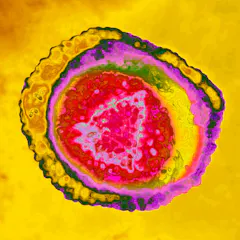
The pain of post-herpetic neuralgia can drive people to the point of suicide. Researchers are getting closer to pinpointing its cause – which may extend to other forms of neuropathy.

Endometriosis is an age-old condition and yet until recently, the complex disorder remained largely overlooked due to medical and social perceptions of women’s pain.

Gamers face eye strain, repetitive-use conditions, back problems and even blood clots. Lessons from music, dance and car racing can help prevent and treat these injuries.

Hannah’s cousin died and she didn’t have to. Wormhole investigates the dark world of alternative wellness online – and the comforts and dangers of such communities.

Chronic pain can make it hard to walk, carry groceries or sleep through the night. A new study finds that extreme temperatures are linked to that kind of pain.

Heatwaves are becoming more frequent, longer and more intense. As they do, it’s likely more people will experience pain.

While pain may be universal, our experience of it is anything but.

We have always doubted patients who say they are in pain. Now we have a machine to do it for us.

Patients need to know what treatment can realistically offer, especially in a wellness market built on exaggerated hope.

A new study supports a burgeoning challenge to the assumption that pain requires a brain anything like ours.

Animals won’t always express pain in the way we expect.

A loud ‘pop’ and immediate pain may mean you’ve torn your ACL. Two exercise experts explain why it’s more than a physical injury.

Data on pain can tell us a lot about about a the wellbeing of a country’s citizens.
Top contributors
-

Conjoint Clinical Associate Professor, Deakin University School of Medicine and Specialist Pain Medicine Physician, Deakin University
-
Associate Professor of Physiotherapy, University of Technology Sydney
-
Bradley Distinguished Professor, Adelaide University
-
Associate Professor at NICM Health Research Institute, Western Sydney University
-
Professor of Psychology, University of Bath
-
Professor of Medical and Feminist Anthropology, Birmingham City University
-
Professor in Neuroimmunopharmacology, Adelaide University
-
Reader in Clinical Health Psychology & Science, Medicine & Society Network, UCL
-
Associate Professor and Psychologist in Pediatric Pain, University of Calgary
-
Assistant Professor, University of Connecticut School of Nursing; Assistant Director, UCONN Center for Advancement in Managing Pain, University of Connecticut
-
Associate Professor of Anesthesiology, University of Colorado Anschutz
-
Lecturer in the School of Physiology, Faculty of Health Sciences, University of the Witwatersrand
-
Senior Research Officer, Neuroscience Research Australia
-
Clinical pharmacist and Scientia Associate Professor at the National Drug and Alcohol Research Centre, UNSW
-
Honorary Senior Research Fellow, University of Oxford