
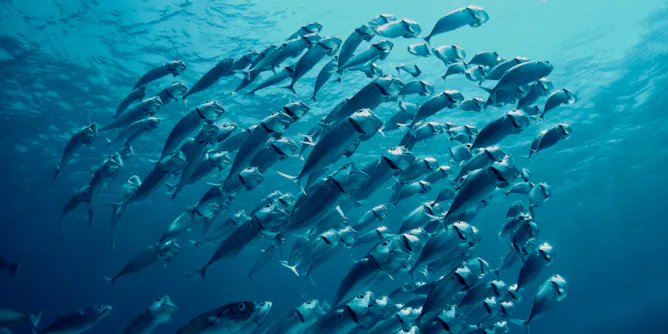
El Niño can trigger intense periods of extreme ocean warming known as marine heat waves that can devastate marine life.
Articles on Ocean heating
Displaying all articles

Tropical storms are guided by many different wind patterns: big, like the Bermuda high, and small. A hurricane researcher explains their role in why so many storms veered off into the Atlantic in 2025.

The crucial reef-building corals were decimated by a marine heat wave in the Florida Keys. Can advances in restoration help them recover?

The oceans have been much warmer than average for the past two years, and the planet just set another global heat record. What’s going on?
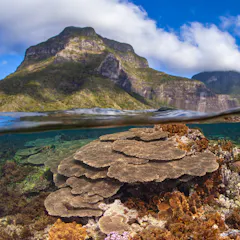
We all know the Barrier Reef – but Australia also has three other World Heritage reefs, Ningaloo and Shark Bay in Western Australia and Lord Howe Island off the New South Wales coast.

Around the world, coral reefs are suffering. But scientists in high-income nations are developing new ways to build coral resilience. We have a duty to share our skills and build capacity elsewhere.
Global ocean temperatures have been at record highs almost daily for over a year, and economies are feeling the heat.
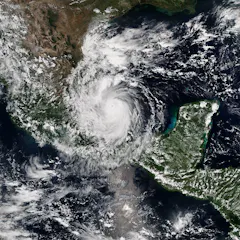
NOAA issued its busiest preseason hurricane forecast yet, with the second highest accumulated cyclone energy. An atmospheric scientist explains what’s behind the numbers.
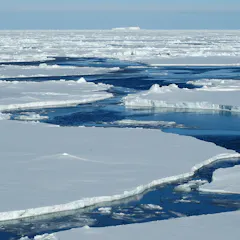
In 1898, a pioneering Antarctic expedition was stuck in sea ice for over a year. In 2024, that area is open water.

An atmospheric scientist explains how rising temperatures are helping to fuel extreme storms, floods, droughts and devastating wildfires.
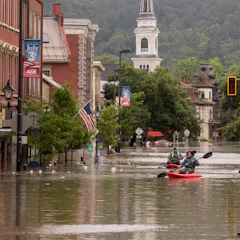
The US saw a record number of billion-dollar disasters in 2023, even when accounting for inflation. The number of long-running heat waves like the Southwest experienced is also rising.
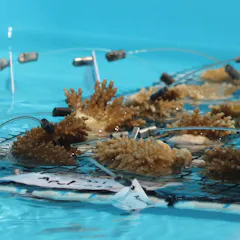
Ocean temperatures have hit record highs off the Florida Keys. Scientists and volunteer divers are racing to save these valuable creatures.
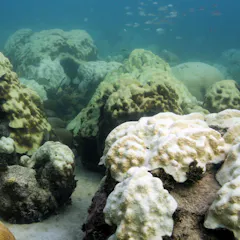
Water temperatures in the 90s off Florida in July are alarming, a NOAA coral scientist writes. Scientists in several North American countries have already spotted coral bleaching off their coasts.
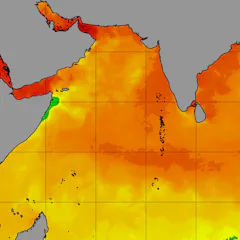
Drought in Europe, dwindling Arctic sea ice, a slow start to the Indian monsoon – unusually hot ocean temperatures can disrupt climate patterns around the world, as an ocean scientist explains.
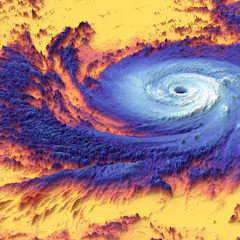
Currents can carry that deep ocean heat hundreds of miles to surface again at distant shores.
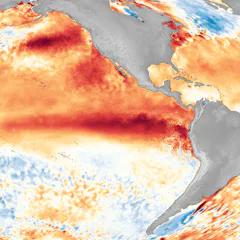
The official forecast calls for a strong El Niño by winter, but other models suggest it might dip in and out. An atmospheric scientist explains.
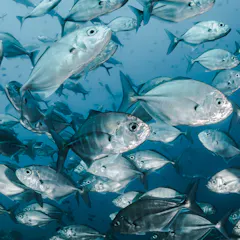
El Niño can trigger intense and widespread periods of extreme ocean warming known as marine heat waves. They can devastate marine life.

Our oceans have absorbed almost all the extra heat we’ve trapped with our emissions. Now we know how this heat moves in ocean currents.
Top contributors
-

Professor of Geology and Environmental Geosciences, University of Dayton
-
Senior Research, Euro-Mediterranean Center on Climate Change; Professor of Ocean and Climate Dynamics, Georgia Institute of Technology
-
Climate Research Scientist, National Oceanic and Atmospheric Administration
-
Associate Professor, Oceans Ice and Climate, University of Tasmania
-
Senior Research Associate in Physical Oceanography, University of Tasmania
-
DECRA Research Fellow in molecular ecology, James Cook University
-
Associate Research Scientist, University of Maryland, Baltimore County
-
Professorial fellow, James Cook University
-
Lead - Pilot Deployments Program (AIMS); Professor (Queensland University of Technology; Adjunct), Queensland University of Technology
-
Ph.D. Candidate in Physical Oceanography, University of California, San Diego
-
Director of Research for the Center for the Blue Economy, Middlebury College
-
Research Associate, University of Tasmania
-
Associate Professor of Biological Sciences & Environmental Conservation, Clemson University
-
Postdoctoral Research Fellow in Climate and Weather Extremes, The University of the West Indies
-
Associate Professor of Climate Science, Brandeis University