
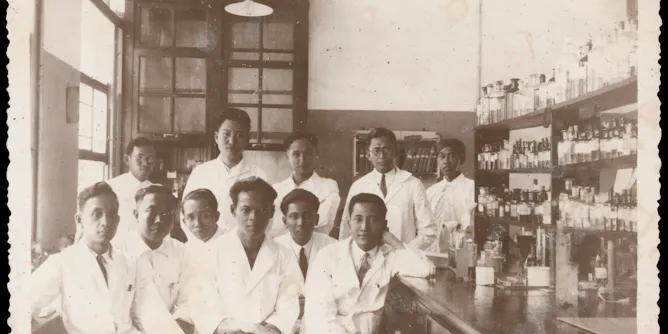
Indonesia’s physicians were active in the nationalist movement. They were involved in associations and political parties. They also became authors and activists.
Articles on History of medicine
Displaying 81 - 100 of 106 articles
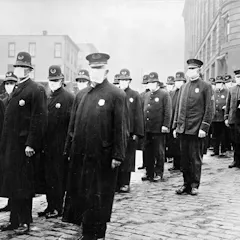
For nearly 50 years academic and popular writers ignored the 1918 Spanish flu pandemic. A hundred years later, historians can’t get enough of it.
CC BY-ND23.6 MB (download)
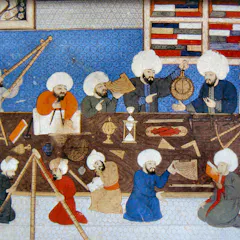
This episode of the In Depth Out Loud podcast outlines the importance of finding a way to remove the inequalities promoted by modern science.
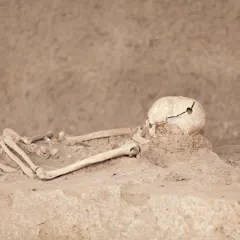
One stock history of medicine tale is that trepanning is one of the most ancient treatments for migraines.

Women, rejoice. The speculum is getting a friendly makeover.

Human heart transplantation is 50 years old.
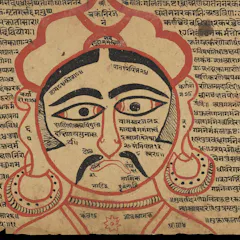
A history of Ayurvedic medical concepts is being exhibited at London’s Wellcome Collection.

771,945 have been infected.
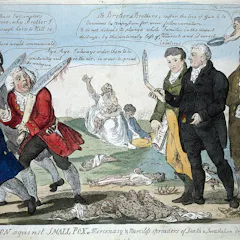
Some people have objected to childhood vaccination since it was introduced in the late 1700s. And their reasons sound remarkably familiar to those of anti-vaxxers today.
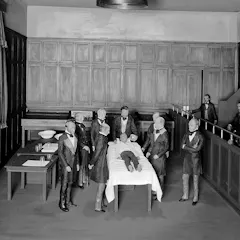
Terrifying accounts of surgery 200 years ago remind us how far general anaesthesia has come. Yet we still know little about how anaesthetics alter consciousness.
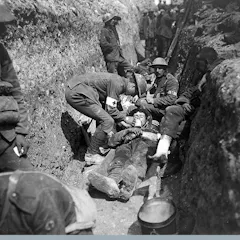
When commemorating our troops, doctors and nurses this Anzac Day, consider also tipping your hat to the discovery of bacteriophages. In the post-antibiotic era, our health might just depend on them.

2017 marks the 200th anniversary since the 1817 publication of Dr James Parkinson’s seminal work on what he called the “Shaking Palsy”.
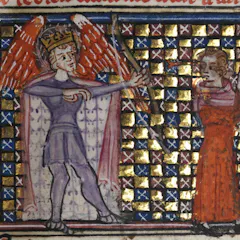
Lettuce leaves and purgatives might ease your aching heart.
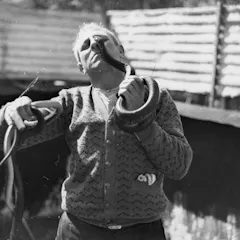
Snake bite treatments have changed remarkably over the past 200 years. But most, if not all, made sense in their historical context.
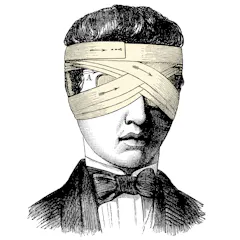
The myth that a blow to the head can both cause and cure amnesia – a common one on TV and in the movies – may have begun during the 19th century.
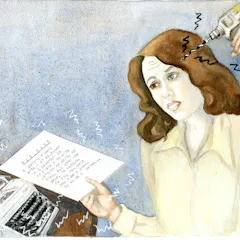
A thousand years of historical sources make it clear that migraine is more than just a headache.

The story of an amazing man you have probably never heard of.

New research that more isn’t better when it comes to chemotherapy mirrors the evolution of surgery approaches to breast cancer that, a few decades ago, were far more radical than now.
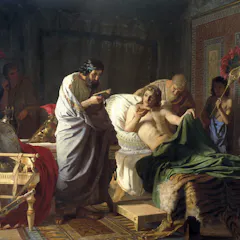
Medicine has changed beyond recognition in the last 2,000 years. So why should we still care what the founders of Western medicine thought?
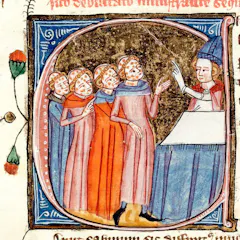
Does Greyscale’s allure for contemporary audiences have to do with disfigurement?
Top contributors
-

Lecturer - Women's Health; Pharmacology, School of Biomedical Sciences, The University of Western Australia
-
Assistant Professor of History, University of Pittsburgh
-
Associate Professor of History, Roanoke College
-
Chancellor's Professor of Medicine, Liberal Arts, and Philanthropy, Indiana University
-
Pediatric Infectious Diseases Fellow, University of Pittsburgh
-
Associate Professor of History, Auburn University
-
Lecturer in English Literature, University of Reading
-
Affiliate, College of Medicine and Public Health, Flinders University
-
Lecturer in History, University of Leicester
-
Research Affiliate, Discipline of History, University of Sydney
-
Associate Professor of History, Rutgers University - Newark
-
Visiting Lecturer of History, Georgia State University
-
Professor Emerita, Classical Studies, The Open University
-
Assistant Director of the Center for the History of Medicine, University of Michigan
-
Lecturer in Classics and Ancient History, The University of Western Australia