
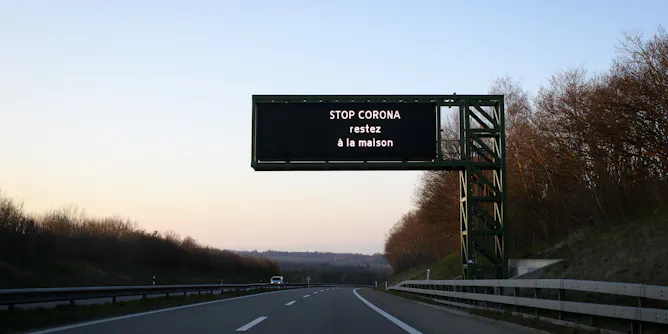
In the past, quarantines were often seen as an excuse for state intervention, and condemned as instruments of despotism.
Articles on History of medicine
Displaying 61 - 80 of 106 articles

Emphasizing foreign origins of a disease can have racist connotations and implications for how people understand their own risk of disease.
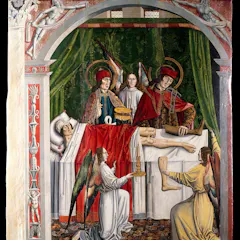
Grisly early experiments laid the foundation of our understanding of how to keep organs ‘alive’ in isolation.
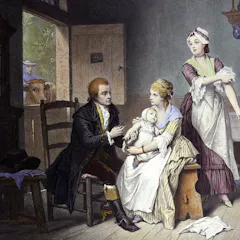
Anti-vaccinators today echo 200-year-old debates.
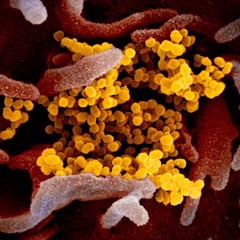
While identifying a new disease by its place of origin seems intuitive, history shows that doing so can have serious consequences for the people that live there.

Even before people understood how germs spread disease, they tried to isolate the sick to keep them from infecting others.
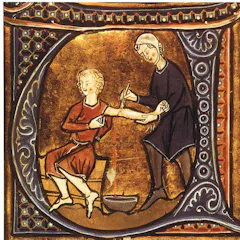
A handful of manuscripts remain which give researchers valuable insights into medieval science.
From vibrators for ‘hysteria’ to vibrating belts for weightloss. How we’ve been fascinated with shaking ourselves to health.

More attention needs to be paid to loneliness’s complex history.

We’ve known how to control typhoid for over 100 years. The rapid current increase of drug-resistant variants in both rich and poor countries is down to decades of short-sighted global health policies.

Fear of a disease that seemed to turn people into beasts might have inspired belief in supernatural beings that live on in today’s creepy Halloween costumes.

As early as the 1860s the twin diseases of modernity – overwork and sleeplessness – became the focus of cultural anxieties.
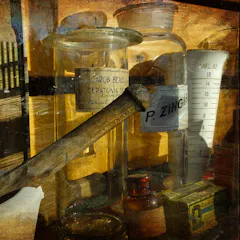
The ‘turf war’ between doctors and pharmacists we see in current debates has a long history.
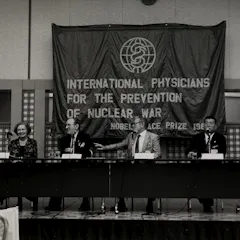
Doctors have long taken up global issues, from nuclear war to ozone depletion and climate change, and helped shift the course of history.

The focus on the ageing of women is by no means a modern phenomenon.

People have probably always wanted clean and healthy teeth. What they historically used to achieve dental hygiene might surprise you.
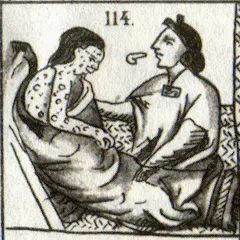
Hernán Cortés owed his conquest of the Aztecs to his expedition’s unknown, unseen secret weapon: the smallpox virus. Disease epidemics can set the course of human history.

Having a ‘period’ on the pill is far from necessary.

We commemorate the centenary of the end of WW1, but victims of a more deadly threat are rarely remembered. Let’s change that.
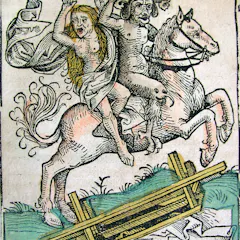
Reports of demonic possession are once again on the rise. But during the devil’s last apogee in early modern Europe, demonic afflictions were taken seriously by both priests and physicians.
Top contributors
-

Lecturer - Women's Health; Pharmacology, School of Biomedical Sciences, The University of Western Australia
-
Assistant Professor of History, University of Pittsburgh
-
Associate Professor of History, Roanoke College
-
Chancellor's Professor of Medicine, Liberal Arts, and Philanthropy, Indiana University
-
Pediatric Infectious Diseases Fellow, University of Pittsburgh
-
Associate Professor of History, Auburn University
-
Lecturer in English Literature, University of Reading
-
Affiliate, College of Medicine and Public Health, Flinders University
-
Lecturer in History, University of Leicester
-
Research Affiliate, Discipline of History, University of Sydney
-
Associate Professor of History, Rutgers University - Newark
-
Visiting Lecturer of History, Georgia State University
-
Professor Emerita, Classical Studies, The Open University
-
Assistant Director of the Center for the History of Medicine, University of Michigan
-
Lecturer in Classics and Ancient History, The University of Western Australia