
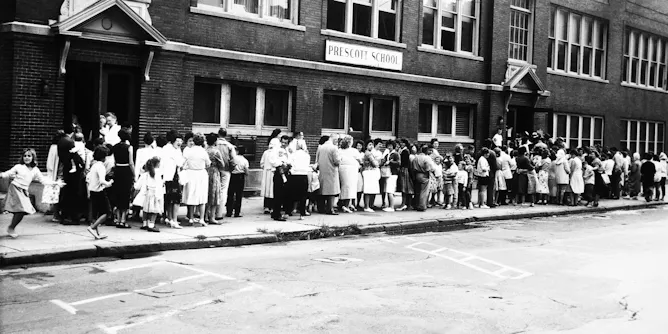
Public health experts know that schools are likely sites for the spread of disease, and laws tying school attendance to vaccination go back to the 1800s.
Articles on History of medicine
Displaying 41 - 60 of 106 articles
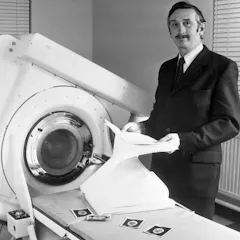
On Oct. 1, 1971, Godfrey Hounsfield’s invention took its first pictures of a human brain, using X-rays and an ingenious algorithm to identify a woman’s tumor from outside of her skull.
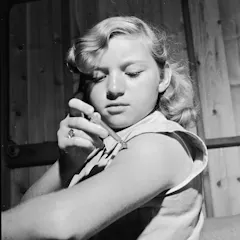
A biomedical engineer explains the basic research that led to the discovery of insulin and its transformation into a lifesaving treatment for millions of people with diabetes.
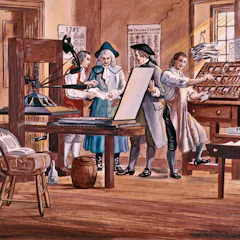
When Bostonians in 1721 faced a deadly smallpox outbreak, a new procedure called inoculation was found to help fend off the disease. Not everyone was won over, and newspapers fed the controversy.

Van Leeuwenhoek, who discovered bacteria, is one of the most important figures in the history of medicine, laying the groundwork for today’s understanding of infectious disease.
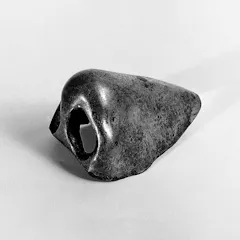
Though Renaissance concerns about ‘borrowed flesh’ might seem outlandish and out of date, they are surprisingly relevant to the modern surgical landscape.

The beginnings of measuring fever go back more than 400 years.
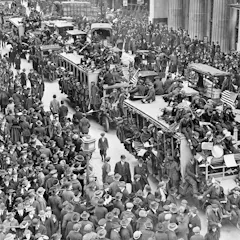
Americans were tired of social distancing and mask-wearing. At the first hint the virus was receding, people pushed to get life back to normal. Unfortunately another surge of the disease followed.

Though COVID-19 has killed Black Americans at nearly twice the rate as white Americans, Black people are the least likely racial group to say they’re eager to get the vaccine.
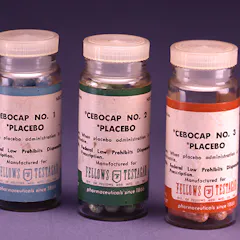
A whistle-stop tour of the history of placebos.
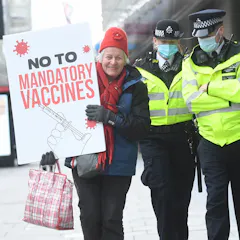
We shouldn’t paint all those hesitant or unsure about new medical treatments with the same broad brush. We need a more productive and thoughtful conversation.
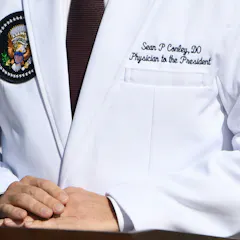
Almost 10% of physicians in the US are doctors of osteopathic medicine, and that proportion is rising. Their medical knowledge matches that of other doctors; the difference is the philosophy behind it.

As ready as you are to be done with COVID-19, it’s not going anywhere soon. A historian of disease describes how once a pathogen emerges, it’s usually here to stay.
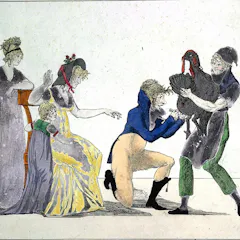
The history of anti-vaccination theories can help us understand how such claims capture a popular following. The same misinformation used against 19th century smallpox vaccine is still in use today.
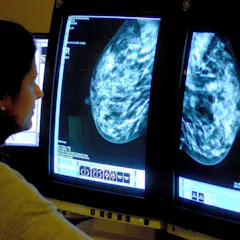
What is it about breast cancer that has made mastectomy and its effects so hard to discuss for over 400 years?
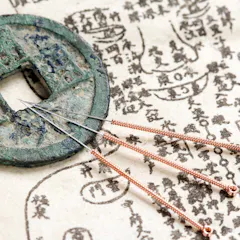
New research shows that the oldest surviving anatomical atlas comes from Han Dynasty China, and was written over 2,000 years ago.
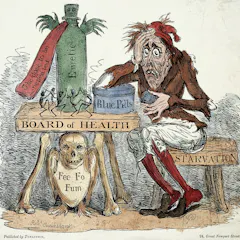
Pandemic histories are useful for understanding COVID-19, but how they connect with race, public health, revolution, labour and colonialism are needed to explain the present and predict the future.
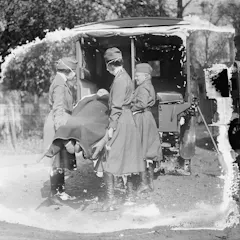
Differences in the viruses’ biology and societal contexts mean there’s no guarantee today’s pandemic will mirror the ‘waves’ of infection a century ago.

Early clinical trials into ginseng, rhubarb and rice paved the way for testing coronavirus treatments today.
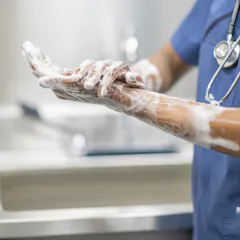
A Hungarian obstetrician was the first to nail down the importance of handwashing to stop the spread of infectious disease.
Top contributors
-

Lecturer - Women's Health; Pharmacology, School of Biomedical Sciences, The University of Western Australia
-
Assistant Professor of History, University of Pittsburgh
-
Associate Professor of History, Roanoke College
-
Chancellor's Professor of Medicine, Liberal Arts, and Philanthropy, Indiana University
-
Pediatric Infectious Diseases Fellow, University of Pittsburgh
-
Associate Professor of History, Auburn University
-
Lecturer in English Literature, University of Reading
-
Affiliate, College of Medicine and Public Health, Flinders University
-
Lecturer in History, University of Leicester
-
Research Affiliate, Discipline of History, University of Sydney
-
Associate Professor of History, Rutgers University - Newark
-
Visiting Lecturer of History, Georgia State University
-
Professor Emerita, Classical Studies, The Open University
-
Assistant Director of the Center for the History of Medicine, University of Michigan
-
Lecturer in Classics and Ancient History, The University of Western Australia