

The tournament has proven to be very resilient throughout its history, but its greatest challenges may lie ahead.
Articles on Heat
Displaying 101 - 120 of 254 articles
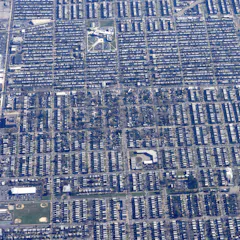
An interdisciplinary group of researchers at Penn State ran computer models on two Philadelphia census tracts. The neighborhood with more vulnerable residents was also hotter.
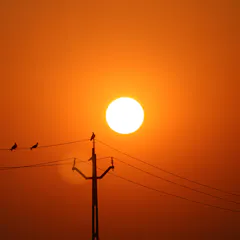
Hot temperatures seem to lead to aggression, both in real life and online.
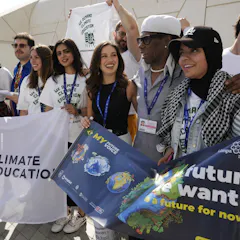
Embracing hope in the good, alongside recognizing the bad, can reduce eco-anxiety, improve mental health and may just be the key to driving strong and meaningful climate action.

Looking after a baby during extreme heat events takes a little planning and a lot of patience. Here are some practical steps you can take.

One fan died and others reported burns at the Swift concert. And we’re going to see similar incidents at future concerns if we don’t start planning for extreme weather.
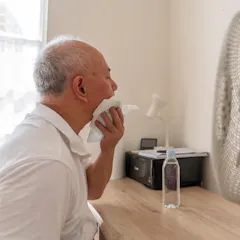
More Australians than ever live in rented homes, many of which get far too hot. With summers getting longer and hotter, keeping millions of people cool should be a national housing policy priority.
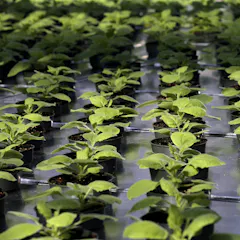
A research accident in the Binder lab at the University of Tennessee led to an unprecedented discovery about how plants respond to a hormone called ethylene.

As Australia heads into summer with an El Niño, it’s important understand and prepare for the health risks associated with extreme weather.

The preliminary global-average temperature anomaly for September is a shocking 1.7°C. These are the drivers of current record-breaking heat.
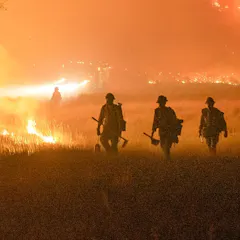
Working a day on the firelines as a wildland firefighter can require the endurance of riding the Tour de France. That takes a toll, as a physiologist explains.

Further research is needed in order to quantify the costs of extreme heat so we can reduce its damaging effects now and in the future.

Africa has made good progress towards reducing maternal mortality and newborn deaths over the past decade. But climate change is reversing the gains.

People aren’t the only ones harmed by heat waves. The hotter it gets, the harder it is for machines to keep their cool.

Humans (particularly those in the Northern Hemisphere) generally prefer the heat, a bias which has hampered effective climate communications for decades.

A chemist explains how the structure of your hair follicles, your genetic code and environmental factors like humidity influence how hair behaves on a day-to-day basis.
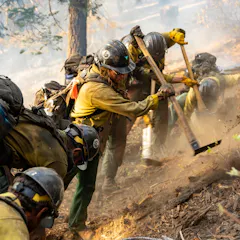
Twenty-five years of research show what it takes to fuel wildland firefighters through an average day, and the toll the long seasonal work takes on their bodies.
Living your life in air-conditioned comfort can actually put you more at risk from heat. Here’s why the age-old tradition of a midday nap could help.
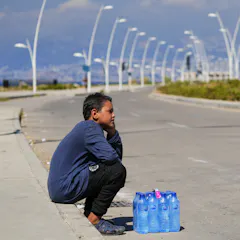
Climate anxiety is real and must be considered as a core component of any climate mitigation or adaptation and resilience strategy.
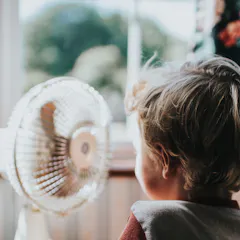
Thermostats don’t tell the whole truth about heat, particularly in older homes.
Top contributors
-

Honorary Associate Professor in Environmental Health, Australian National University
-
ARC Future Fellow and Associate Professor in Climate Science, ARC Centre of Excellence for 21st Century Weather, The University of Melbourne
-
Professor of Heat & Health; Director of Heat & Health Research Incubator; Director of Thermal Ergonomics Laboratory, University of Sydney
-
Professor of Intelligent Engineering Systems, Nottingham Trent University
-
Professor of Physiology, Kinesiology and Human Performance, Penn State
-
Ph.D. Candidate in Exercise Physiology, Penn State
-
Senior Lecturer, Department of Architecture, Federal University of Technology, Akure
-
Duncan Mitchell is a Friend of The Conversation.
Honorary Professorial Research Fellow, University of the Witwatersrand
-
Postdoctoral Researcher in Kinesiology, Penn State
-
Geographer-climatologist and Postdoctoral Fellow, Penn State
-
Presidential Distinguished Professor of Energy Policy and City Planning, University of Pennsylvania
-
Purple House Medical Advisor. Honorary ANU., Australian National University
-
Senior Lecturer in Exercise and Environmental Physiology, University of Hull
-
Professor, Emerging Technologies Research Lab, Monash University, Monash University
-
Professor Emeritus, University of Washington