
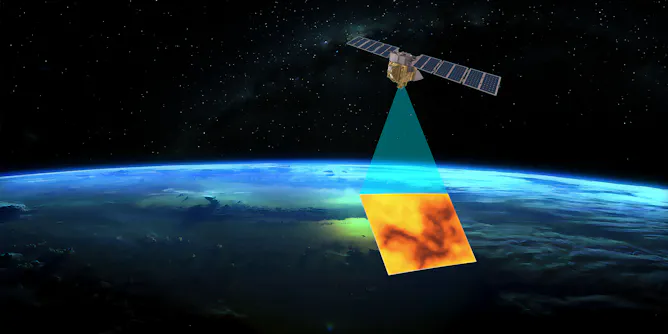
MethaneSat was developed to spot emission hot spots of invisible methane pollution from space. Without it, accurate methane monitoring will be incredibly difficult.
Articles on Greenhouse gas emissions (GHG)
Displaying 61 - 80 of 838 articles
Researchers have analysed UK-wide trends for three major pollutants.

Sports face a sustainability challenge: They’re under pressure to grow, but more travel means more emissions that add to rising global temperatures. The NCAA is also weighing expanding March Madness.
A new study shows how polluted air could have been masking the full effects of global warming.
Any legislation of climate actions needs to be based on scientific evidence and informed decisions.
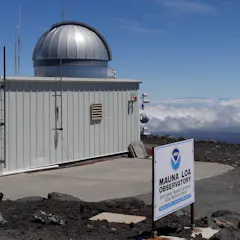
Cutting data climate collection – as the Trump administration is now trying to do – is like breaking a thermometer to avoid knowing you’ve got a fever.
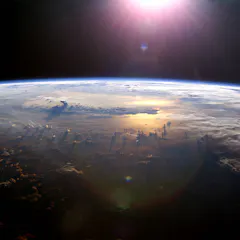
Real world measurements of how much extra heat the Earth is trapping are well beyond most climate models. That’s a real problem.
The UK’s latest climate change progress report highlights serious gaps.

The Trump administration is pulling back billions of dollars in industrial development money for carbon capture and storage projects. That may force industries to actually cut emissions instead.
Without accounting for land use, Australia’s emissions have only decreased 3% since 2005 – not the 27% cut you might have heard.
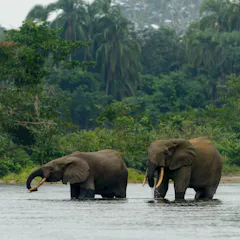
Setting up the world’s biggest giant tropical forest reserve in the Congo Basin is a step towards conserving the area and creating jobs for local communities.
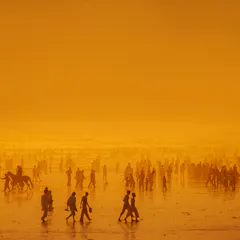
The world seems to have avoided truly catastrophic climate scenarios, and global emissions may be about to peak. But we’re by no means out of danger
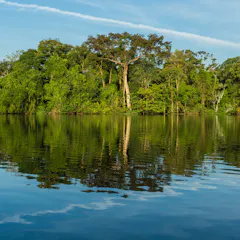
A long-time leader of California’s climate efforts explains how governors from Brazil to Indonesia have become the leading edge in fighting climate change. Several are meeting this week in Brazil.

Cutting carbon dioxide emissions to zero by 2050 will reduce global warming, but climate modelling shows that some regions may still experience extreme heat.
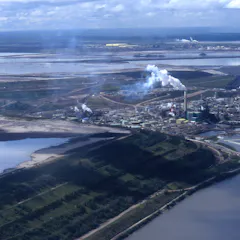
Has Ottawa facilitated or obstructed the spectacular post-1990 growth of oilsands production? The evidence is clear: the federal government has been a major oilsands booster.
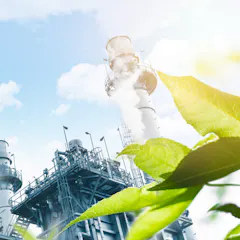
Atmospheric CO₂ concentrations are surging, even as emissions level out. Natural carbon sinks are showing signs of faltering as we continue to emit CO₂.
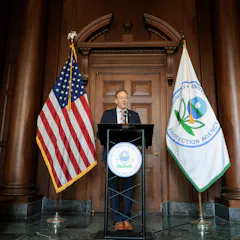
Some restrictions prevent loosening of existing environmental standards for clean air and water. Other rules can be changed – though only through a challenging and multistep democratic process.
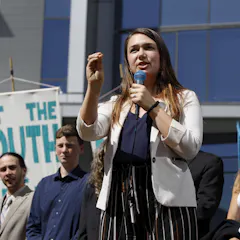
In the battle to slow climate change, local and state governments, as well as citizens, have taken to the courts. Their results have varied, but the cases keep coming.
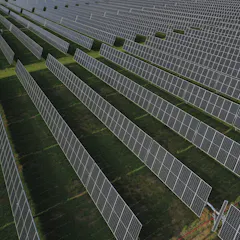
Corporate decisions made in boardrooms and through initiatives with nonprofits have created an important kind of private climate governance.
Cost of living is trumping climate at this election, but the issue won’t disappear. Here’s what major parties are offering – and what we actually need.
Top contributors
-

Chief Research Scientist, CSIRO Environment; Executive Director, Global Carbon Project, CSIRO
-
ARC Future Fellow and Associate Professor in Climate Science, ARC Centre of Excellence for 21st Century Weather, The University of Melbourne
-
Research Group Leader, CSIRO
-
Associate Professor, The University of Western Australia
-
Senior Researcher, Center for International Climate and Environment Research - Oslo
-
Royal Society Research Professor of Climate Change Science, University of East Anglia
-
Director, Queen's Institute for Energy and Environmental Policy, Queen's University, Ontario
-
Professor of Physical Climate Change; Director of the Priestley Centre for Climate Futures, University of Leeds
-
Senior Research Fellow and Associate Professor, Melbourne Climate Futures initiative, The University of Melbourne
-
Honorary Fellow, CSIRO
-
Professor, School of Economics, The University of Queensland
-
Professor, Crawford School of Public Policy and Director, Centre for Climate and Energy Policy, Australian National University
-
Professor, Department of Earth System Science, and Chair of the Global Carbon Project, Stanford University
-
Research Associate, Institute for Climate Risk and Response, UNSW
-
Professorial Fellow, School of Geography, Earth and Environmental Sciences, University of Birmingham