
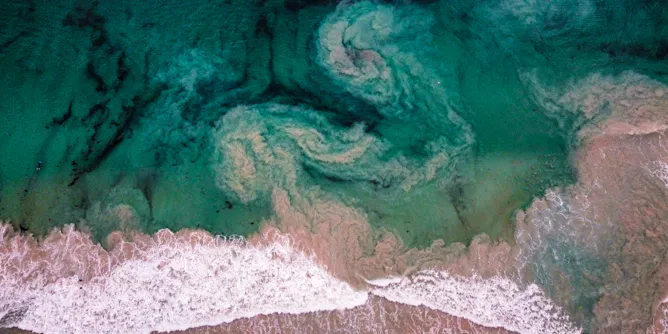
Australian scientists are exploring ways to remove carbon from the atmosphere – using our oceans.
Articles on Global warming
Displaying 41 - 60 of 1178 articles
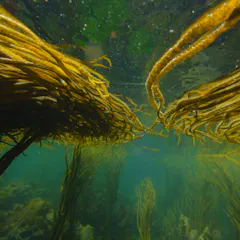
The full picture of potential consequences of the UK’s marine heatwaves is only just starting to emerge.

Most of the heat from global warming ends up in the oceans, not the atmosphere.
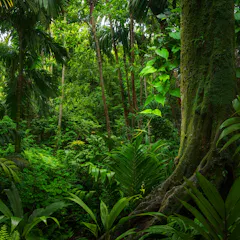
Some of South America’s tropical forests effectively stopped absorbing carbon during the 2015-2016 El Niño.
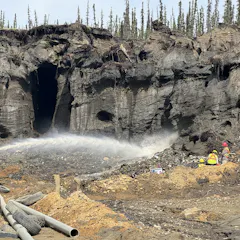
Permafrost holds an extraordinary molecular record of ancient life — and we are only now learning to read it, just as warming begins to erase it.
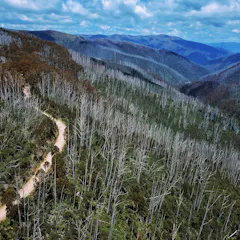
A hotter, drier and more fire-prone future is putting these unique trees at risk.
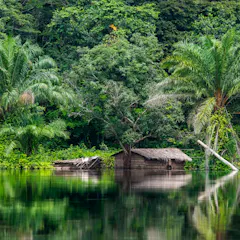
The minerals needed for clean energy are driving widespread forest loss across Africa, much of it far beyond the mine itself and largely preventable.

Most states know that without widely understood and accepted international laws and principles it would be harder to resolve their disagreements peacefully.
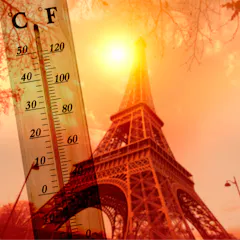
As people across Europe are having to acclimatise to an unprecedented heatwave, coordinated responses for tackling extreme heat need to come from the top, and there’s no time to lose.

A climate expert unpacks the potential causes and risks of extreme heat.
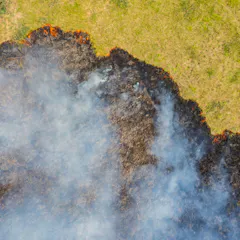
Studying the scale and intensity of previous fires can help us to detect thermal hotspots earlier and support faster, smarter crisis response and post-fire restoration.
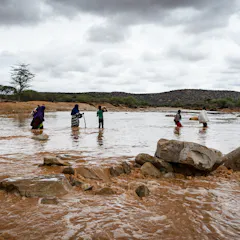
Global warming is moving faster than the policy decisions that could protect vulnerable populations.

Surprisingly, the species that are the most tolerant to heat, are also the most vulnerable to future warming.
A key climate warning sign just hit a record high.

Education systems across southern Africa must better prepare for a hotter future.
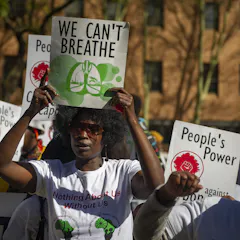
A landmark climate case before the African Court asks what African states must do to protect human rights, phase out fossil fuels, and tackle climate change.
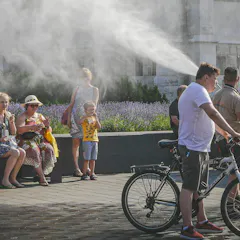
The number of days with summer conditions is growing by roughly six days more each decade since 1990, contributing to fire season, drought, energy demand and disrupted agricultural activity.
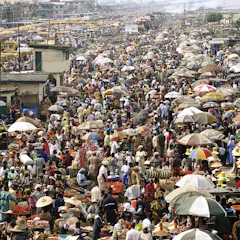
Floods regularly devastate Lagos’s informal workers, but traders and residents have built their own systems to adapt where the state has failed.
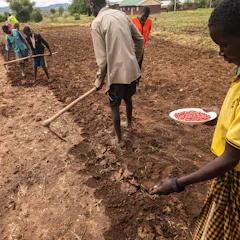
Figuring out how climate change will cause plant disease and pests to spread across Africa’s Great Lakes farms is critical for future food supplies.
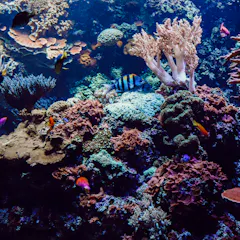
The Earth has already experienced three mass coral bleaching events over the last few decades, with a fourth happening now. Researchers are trying to find ways to make corals more adaptable to heat.
Top contributors
-

ARC Future Fellow and Associate Professor in Climate Science, ARC Centre of Excellence for 21st Century Weather, The University of Melbourne
-
Research Associate, Institute for Climate Risk and Response, UNSW
-
Chief Research Scientist, CSIRO Environment; Executive Director, Global Carbon Project, CSIRO
-
Distinguished Scholar, National Center for Atmospheric Research; Affiliate Faculty, University of Auckland, Waipapa Taumata Rau
-
Chief Scientist, Australian Antarctic Division and Professor of Climate Science, Australian National University
-
Professor and Climate Scientist, Department of Geography, Planning and Environment, Concordia University
-
Deputy Director, Engagement and Impact, The ARC Centre of Excellence for the Weather of the 21st Century, Australian National University
-
Adjunct professor, UNSW
-
Professor of International Relations, The University of Queensland
-
Professor of Climate Science, University of Reading
-
Lecturer, School of Agriculture, Food and Ecosystem Sciences, The University of Melbourne
-
Professor Emeritus of Climate and Space Sciences and Engineering, University of Michigan
-
Director of the ARC Centre of Excellence for Our Future Oceans and Scientia Professor in Oceanography, UNSW
-
Professor of Atmospheric Sciences, Climate Change Research Centre, UNSW
-
A/Prof., School of Earth Sciences, The University of Melbourne