

Gen Z is leading an eating revolution, akin to ‘activism on a plate’. It might include eating insects – and social media plays a central role.
Articles on Food Futures series
Displaying 1 - 20 of 47 articles

A new report looks at daycares across Australia to see how many provide kids with at least lunch.

How does a $4 shop become $60 in groceries? The supermarket business model relies on you buying more than you want. Here’s how they do it.
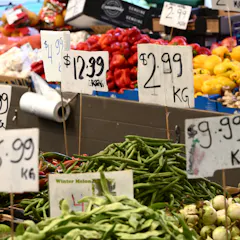
More people are cutting back on certain foods, skipping meals or going without eating altogether, new analysis shows.
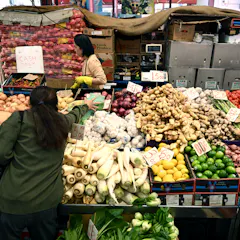
New findings suggest the label ‘ultra-processed’ alone doesn’t tell the full story about bowel cancer risk. What’s in the food seems to matter.
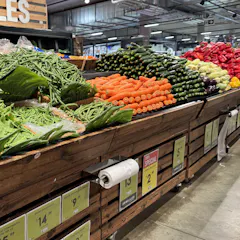
This year’s El Niño is likely to be the strongest on record. That would boost some fruit supplies – but it could also push up wheat, sugar and beef prices.
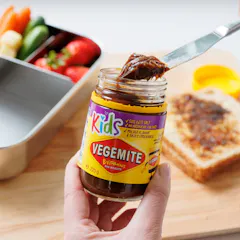
Here’s what Vegemite Kids will mean for children’s total salt intake. Hint: not as much as you might think.
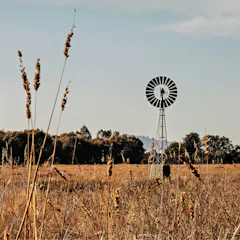
Australia isn’t likely to face food shortages anytime soon. But hotter, drier weather could still take a toll on many local economies and communities.

Alcohol stimulates a hunger for protein. And if it’s not satisfied, it persists.

If you follow child nutrition content on social media, you’re bound to be confused when it comes to giving your kids milk. Here’s what the evidence actually says.

Making Nutella sandwiches for lunch again? The food industry has you in a bind, a new study shows.

A GP reflects on the lessons of Eric Schlosser’s ‘muckraking’ classic. A necessary health check on the world we’ve built, it urges us all to take back our agency.
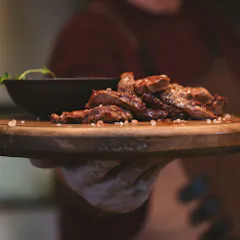
Is meat healthy or not? The answer can depend on who funded the research, according to a new study.

Clever rebranding and marketing could help boost demand for local sardines among Australians. But really making a difference would require policy change.

Teenagers often love chocolate bars and hot chips. A paediatric nutritionist explains how we can help them make healthier choices.

New research shows how human behaviour and biology are harnessed to create feedback loops that drive people to buy and eat more ultra-processed foods.

Wheat is one of the most popular grains globally. But climate change is making it harder to grow, harvest and distribute this crucial crop.
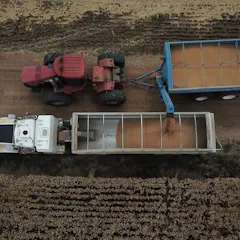
Access to open sea lanes is critical not just for economic prosperity, but for ensuring Australians can reliably access food.
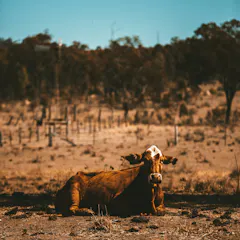
Australia produces enough food for 75 million people. But intensifying heat and natural disasters and competition for water are eroding food security.

You don’t need to go without meat or dairy to afford your weekly shop. Here’s how to choose lower-cost items and spot bargains.
Top contributors
-

Professor of Community Health and Wellbeing, The University of Queensland
-
Leonard P. Ullman Chair in Nutritional Ecology, Nutrition Theme Leader Charles Perkins Centre, University of Sydney
-
ARC Future Fellow and Sydney Horizon Fellow, School of Public Health, University of Sydney, University of Sydney
-
Postdoctoral Research Fellow, Sydney Centre for Healthy Societies and the Charles Perkins Centre, University of Sydney
-
Associate Professor in Food Systems, The University of Melbourne
-
Professor of Agricultural and Resource Economics, La Trobe University
-
Accredited Practising Dietitian and Lecturer, Southern Cross University
-
Senior Lecturer in Nutrition and Dietetics, University of Wollongong
-
Emeritus Professor of Plant Biology, La Trobe University
-
Professor of Sociology & Director, Sydney Centre for Healthy Societies, University of Sydney
-
Professor of Public Health Nutrition, Institute for Physical Activity and Nutrition, Deakin University
-
Senior Lecturer in Epidemiology and Biostatistics, University of Auckland, Waipapa Taumata Rau
-
Senior Fellow, Faculty of Medicine, Dentistry and Health Sciences, The University of Melbourne
-
Laureate Professor in Nutrition and Dietetics, University of Newcastle
-
Senior Lecturer, Nutrition, Swinburne University of Technology