
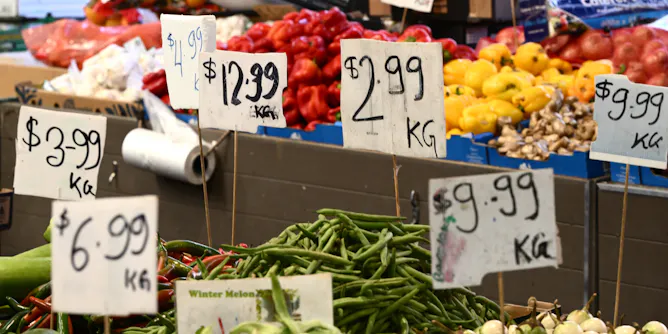
More people are cutting back on certain foods, skipping meals or going without eating altogether, new analysis shows.
Articles on Food systems
Displaying 1 - 20 of 82 articles
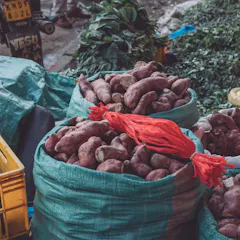
Investments should support entire value chains, linking farmers to storage, processing, transport and reliable markets.
Using daily weather instead of seasonal averages, researchers mapped where and when to plant bambara groundnut in Eswatini and South Africa.
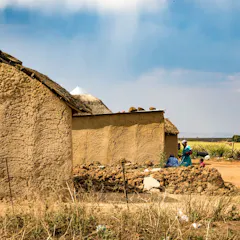
There is no single pathway from small-scale farming to improved livelihoods.

Droughts and floods reduce agricultural production, disrupt supply chains, and limit families’ access to fruits, vegetables, and other fresh foods.
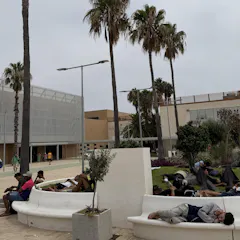
Migrant workers are vital to Spain’s vast agriculture sector, but they are often hidden from view.
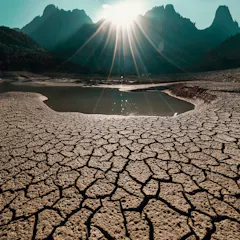
Climate and geopolitical shocks – from El Niño, global heating or wars – hit a food system which already magnifies environmental and social vulnerabilities.

Clever rebranding and marketing could help boost demand for local sardines among Australians. But really making a difference would require policy change.
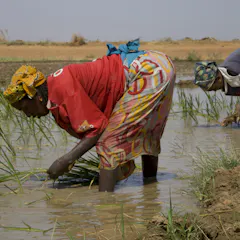
Science can only change the world when societies decide to give it the means to do so.
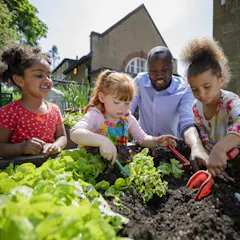
In an urbanized and globalized world, most kids aren’t directly connected to agriculture. School gardens can help them learn where their food comes from.
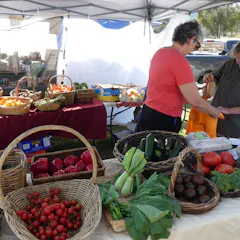
This shock to our food system is not the first, and won’t be the last. A focus on band-aid solutions that prop up the current system undermines long-term resilience.

Obesity remains a problem in Africa.
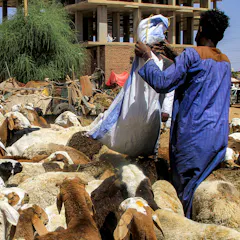
Armed actors in fragile contexts typically engage in sectors where they can quickly extract profits.

While gene editing offers benefits for animal agriculture, regulatory approvals raise questions about transparency, consumer choice and democratic oversight.

The prevailing narrative that feeding the world is the preserve of industrial agriculture is based on flawed logic.
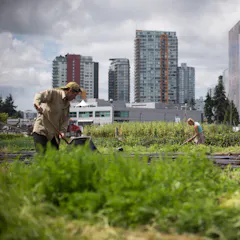
Across the world, urbanization affects how food is grown, distributed and consumed, and cities are primary drivers changing food systems.

It’s a missed opportunity to think differently about how we can ensure all Australians have access to enough healthy and sustainably produced food.
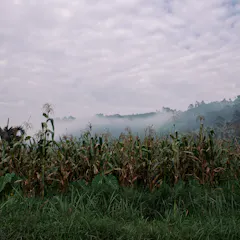
The optimal and safe use of agricultural inputs to increase food production is key to achieving global food security.
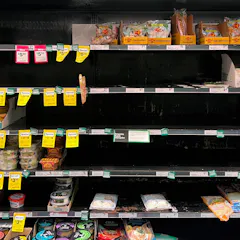
An analysis of 420 million supermarket transactions shows that understanding what people buy – not just where they live – is key to creating healthier communities.

Without market data, countries can’t address hunger and food insecurity.
Top contributors
-

Senior Fellow, Department of Agricultural Economics, Stellenbosch University
-
Professor, Sustainable Food Systems, Dalhousie University
-
Research Associate in Plant Biology, University of Cambridge
-
President, Food Secure Canada
-
Postdoctoral Fellow, Common Ground Canada Network, Dalhousie University
-
Director of the Arrell Food Institute and Professor in the Dept. of Geography, Environment and Geomatics, University of Guelph
-
Co-director; Bureau of Food and Agricultural Policy (BFAP), Stellenbosch University
-
Assistant Professor, Faculty of Land and Food Systems, University of British Columbia
-
Professor and Dean of The Ontario Agricultural College, University of Guelph
-
DeWitt Wallace Professor of Geography, Director of Food, Agriculture & Society Program, Macalester College
-
Canada Research Chair in Equitable and Sustainable Food Systems, Lakehead University
-
Professor and Director, University of Waterloo
-
Professor of Rural Sociology, University of Missouri-Columbia
-
Emeritus Professor, Fenner School of Environment & Society, Australian National University
-
Assistant Professor, School of Public Health and Social Policy, University of Victoria