
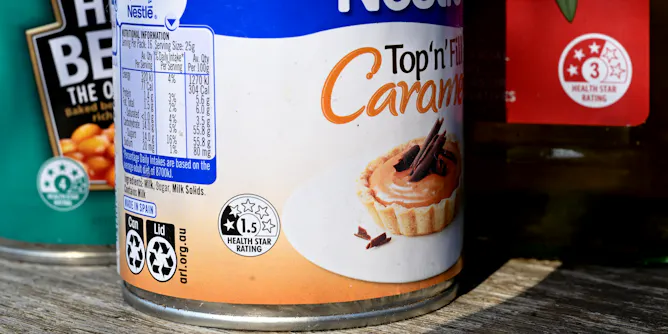
In Australia, food labels can be hard to understand, let alone verify. So do we need an overhaul of our current health star rating system?
Articles on Food Futures series
Displaying 21 - 40 of 42 articles

Some sandwich-alternatives will take some prior preparation, others can be as simple as a sandwich.

A new study looks at what parents want in school lunch programs. And how much they would be willing to pay to support them.

Australia can learn from other countries to introduce a universal free school lunch program that benefits children, families, local farmers and the planet.
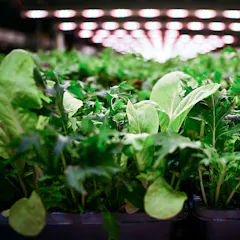
Hidden in city car parks or warehouses, smart greenhouses promise to bring farming back to the city. But can these technology boost resilience?

In new research, parents described Australia’s Health Star Ratings as ‘misleading’, ‘not helpful’ and ‘on the wrong product’.

It’s a missed opportunity to think differently about how we can ensure all Australians have access to enough healthy and sustainably produced food.
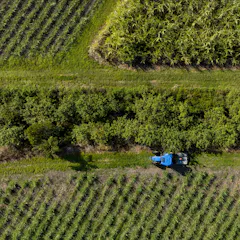
Producing food has a climate cost. But it doesn’t have to. Farmers can cut emissions, boost nutrients and restore nature – while making their farms more resilient
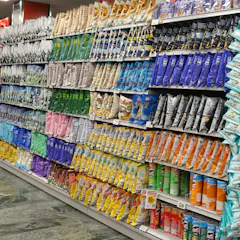
Without policy action and a coordinated global response, ultra-processed foods will continue to rise in human diets, harming health, economies. It’s time to act.
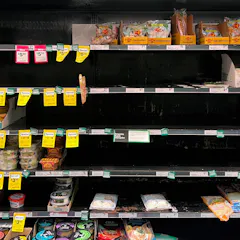
An analysis of 420 million supermarket transactions shows that understanding what people buy – not just where they live – is key to creating healthier communities.

In regional NSW, 1 in 3 people experienced food insecurity in the past year. The rate was double for those who were socially isolated or had a mental illness.

Most older patients in a recent study had a ‘no complaints’ attitude to hospital food. But when it was unfamiliar, they were less likely to eat it.
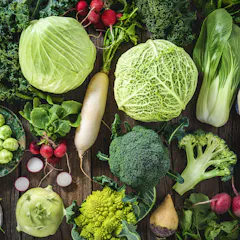
Most New Zealand adults consume more protein than the recommended amount. They could reduce meat without risking inadequate protein intake.
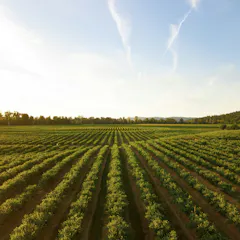
A government inquiry has made 35 recommendations to improve Australia’s food security, but there are some key gaps.
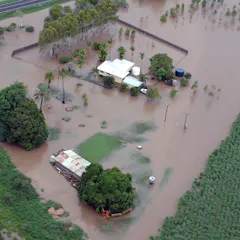
Big plans are afoot to turn Northern Australia into Asia’s “food bowl”. But the reality of climate change can’t be ignored.

New research shows fast-food outlets and with few healthy food options was strongly linked to indicators of poorer health for both mother and baby.

The sobering assessment is a national call to action. The sooner Australia mitigates and adapts, the safer we will be.

Almost three in four Australian children drank sugar drinks every day in 1995. Now, it’s just one in four.

Food insecurity is widespread and shaped by disadvantage – and has serious health consequences.
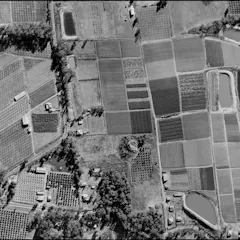
Vineyards, dairies, market gardens, orchards and oyster leases once dotted Sydney. Much – but not all – has been lost to developers.
Top contributors
-

Professor of Community Health and Wellbeing, The University of Queensland
-
Leonard P. Ullman Chair in Nutritional Ecology, Nutrition Theme Leader Charles Perkins Centre, University of Sydney
-
Emeritus Professor of Plant Biology, La Trobe University
-
Postdoctoral Research Fellow, Sydney Centre for Healthy Societies and the Charles Perkins Centre, University of Sydney
-
Associate Professor in Food Systems, The University of Melbourne
-
Professor of Sociology & Director, Sydney Centre for Healthy Societies, University of Sydney
-
Accredited Practising Dietitian and Lecturer, Southern Cross University
-
Senior Lecturer in Nutrition and Dietetics, University of Wollongong
-
Professor of Public Health Nutrition, Institute for Physical Activity and Nutrition, Deakin University
-
Senior Lecturer, Nutrition, Swinburne University of Technology
-
Professor of Public Health Priorities, Curtin University
-
Senior Lecturer in Epidemiology and Biostatistics, University of Auckland, Waipapa Taumata Rau
-
Senior Fellow, Faculty of Medicine, Dentistry and Health Sciences, The University of Melbourne
-
Laureate Professor in Nutrition and Dietetics, University of Newcastle
-
Senior Research Fellow, Caring Futures Institute, Flinders University