
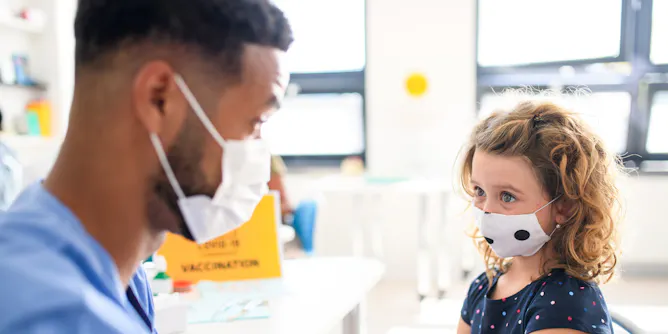
An infectious disease doctor explains the science behind COVID-19 vaccines at a level that children – and adults – of all ages can understand.
Articles on Food and Drug Administration (FDA)
Displaying 101 - 120 of 193 articles
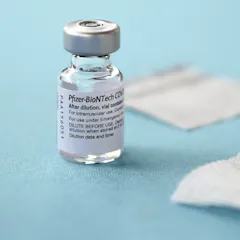
The U.S. FDA has approved the first COVID-19 vaccine. How is approval different from emergency use authorization, and what difference will it make to a vaccine that’s already in global use?
The FDA has largely lost its ability to regulate the myriad pills, powders and potions that promise to grow muscle, shed body fat and improve your focus.
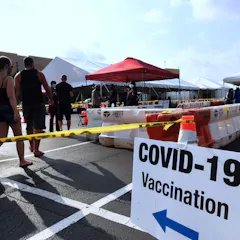
While emergency use authorization gets vaccines out to the public more quickly, it doesn’t skip any steps that full approval requires.
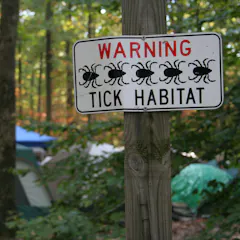
Researchers are testing an antibody shot to protect people from Lyme disease-causing bacteria.
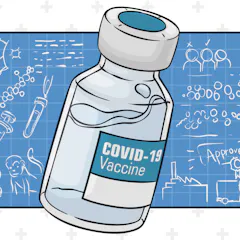
Ongoing tracking is meant to spot very rare risks – like the connection between the Johnson & Johnson shot and Guillain-Barré syndrome. And it relies on public reporting.
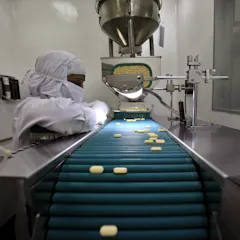
COVID-19 has exacerbated a backlog of domestic and foreign drug manufacturing inspections that the FDA is still too short-staffed to adequately deal with.

The new drug is based on the idea that a build-up of amyloid in the brain leads to the disease. But that hypothesis has been under scrutiny lately.

The FDA approved Alzheimer’s disease drug aducanumab despite minimal evidence of its efficacy. Whether this decision ultimately hurts or helps patients depends on data researchers don’t yet have.
The FDA receives almost half its funding from companies it regulates, such as drug and medical device makers. Is this something you should be concerned about?

With a third of adults saying they likely won’t get the vaccine, the US has a herd immunity math problem.
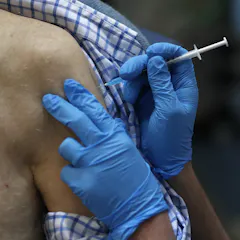
The coronavirus vaccine was developed faster than any vaccine in history. It took just 332 days from the first sequencing of the virus genome to the first vaccines given to the public.
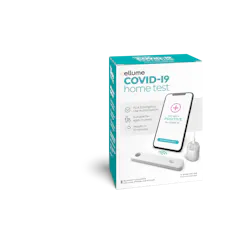
A new over-the-counter COVID-19 test has been authorized by the FDA. Though it can be used to test people with and without symptoms, moderate cost and limited production mean it isn’t a game-changer.
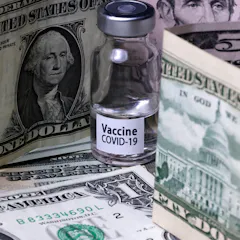
Millions of Americans say they won’t get the vaccine. Will money change their minds? And is luring them with cash the right approach?
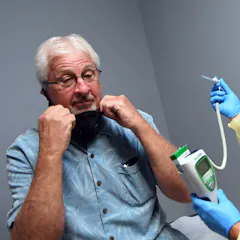
The vaccines that will first be used to prevent the spread of COVID-19 will have gone through a special approval process with the FDA. but just what is this expedited process?

Australia is still aiming to start vaccinating high-risk groups from March. Why the delay?
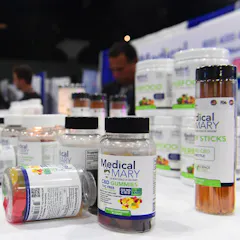
The jury’s still out on whether or not CBD relieves stress and anxiety.
Many people object to the added ingredients in vaccines. But pharmacists explain why those fears are unwarranted.

Popular pain medicines sold over the counter could be bad for a developing fetus. A pharmacologist explains why, and why the FDA is warning pregnant women to avoid these drugs.
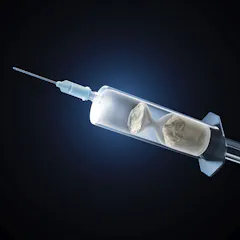
Several vaccines are in Phase 3 trials. So when will we know whether any of these will protect against COVID-19?
Top contributors
-

Distinguished Professor of Pharmacy Practice, University of Connecticut
-
Professor of Law, Villanova University
-
Associate Professor of Pharmacy and Therapeutics, University of Pittsburgh
-
Associate Professor of Public Policy, University of Maryland, Baltimore County
-
Associate Professor of Pediatrics, University of Virginia
-
Associate Professor of Health Promotion and Policy, UMass Amherst
-
Associate professor, Department of Family and Community Medicine, University of Toronto; York University, Canada; University of Sydney
-
Associate Professor of Obstetrics, Gynecology and Gynecologic Surgery, University of California, San Francisco
-
Associate Professor of Molecular Medicine, UMass Chan Medical School
-
Professor and Dean, School of Public Health, Georgia State University
-
Instructor of Human Immunology, Emory University
-
Associate Professor of Legal Studies and Political Science, UMass Amherst
-
Adjunct Associate Professor of Epidemiology, University of California, Los Angeles
-
Associate Professor of Operations and Decision Technologies, Kelley School of Business, Indiana University
-
Professor of Pathology, Microbiology and Immunology, University of South Carolina