

FDA Director Scott Gottlieb has proposed discussions about drastically cutting nicotine levels in cigarettes. This could result in some of the biggest health gains in history.
Articles on Food and Drug Administration (FDA)
Displaying 161 - 180 of 193 articles

Regulatory bodies approved some medical devices to treat pelvic organ prolapse and urinary incontinence before having data to prove their safety and efficacy.

In planes, trains and cars, we increasingly entrust our lives to automated safety systems. It’s time for medical technology to catch up.

Reports about trace amounts of pesticides, like the EWG’s Dirty Dozen, can leave people afraid to buy fruits and vegetables. But the hype is often overblown.

Intuitively, it might seem desirable to speed up access to medicines. But this means more drugs will be approved that may subsequently prove unsafe or ineffective.
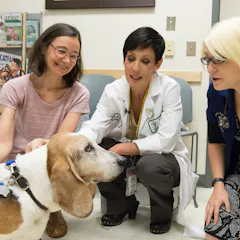
Dogs are great companions, and they also are proving to be great research subjects for cancer. Here’s how our canine friends are pointing to possible treatments in human cancer.

Products not under the FDA’s jurisdiction don’t have to list whether they contain any of the antimicrobial chemicals banned in soap by the agency.

Lowering the threshold for FDA approval and feeding the agency less rigorous information will increase the likelihood of approvals of unsafe or ineffective drugs and devices.

By getting young women hooked before they’ve even formed wrinkles, Botox peddlers have realized they can enlist them in a lifetime of treatment.

There is conflicting medical evidence.
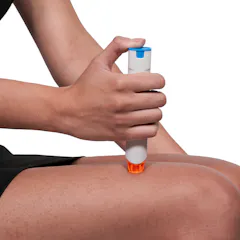
The maker of the EpiPen has raised the price of two injectable treatments to about US$600, six times the price nine years ago. Why do drug companies do this? Because they can. The FDA ends up helping.
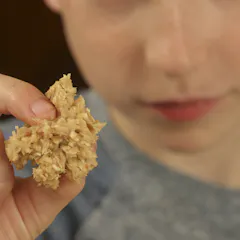
The FDA recently advised people not to eat raw cookie dough because raw flour with E. coli in it had sickened 38 people. Do we really have to forgo our favorites?

Federal officials could give the FDA authority to develop e-cigarette regulations. But developing regulations that maximize their benefits and minimize their risks is harder than it looks.

Thalidomide’s manufacturer, Chemie Grünenthal, marketed the drug as safe for pregnant women despite reports it was causing malformations in newborns. Why such blatant denial?

Thalidomide was marketed as a safe, sleep-inducing drug, but when taken during pregnancy it could cause severe birth defects.
Documents reveal thalidomide’s manufacturer was warned about possible harms as early as 1956.

Before the last round of negotiations, only a handful of issues remained in the way of concluding the TPP. A potential deal-breaker for Australia was intellectual property protections for biologics.

As part of an intiative to re-examine misrepresented or abandoned studies, we re-analysed an antidepressant trial. Here’s what we found.

The Victorian government is calling on other state governments to join it in banning powdered alcohol, which was recently approved for marketing and sale in the US.

Medical tourism is the practice of seeking medical care across international borders. Countries with established medical sectors like the US, Europe, India and Thailand have been traditional destinations…
Top contributors
-

Distinguished Professor of Pharmacy Practice, University of Connecticut
-
Professor of Law, Villanova University
-
Associate Professor of Pharmacy and Therapeutics, University of Pittsburgh
-
Associate Professor of Public Policy, University of Maryland, Baltimore County
-
Associate Professor of Pediatrics, University of Virginia
-
Associate Professor of Health Promotion and Policy, UMass Amherst
-
Associate professor, Department of Family and Community Medicine, University of Toronto; York University, Canada; University of Sydney
-
Associate Professor of Obstetrics, Gynecology and Gynecologic Surgery, University of California, San Francisco
-
Associate Professor of Molecular Medicine, UMass Chan Medical School
-
Professor and Dean, School of Public Health, Georgia State University
-
Instructor of Human Immunology, Emory University
-
Associate Professor of Legal Studies and Political Science, UMass Amherst
-
Adjunct Associate Professor of Epidemiology, University of California, Los Angeles
-
Associate Professor of Operations and Decision Technologies, Kelley School of Business, Indiana University
-
Professor of Pathology, Microbiology and Immunology, University of South Carolina