

Although most Americans believe dietary supplements are safe, these products often make health claims that are unproven or downright false.
Articles on Food and Drug Administration (FDA)
Displaying 41 - 60 of 193 articles
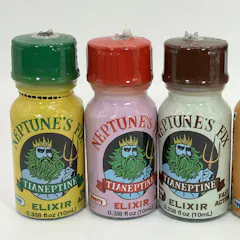
Tianeptine is dangerous as an active ingredient, but the products containing it have no quality control and could be contaminated with metals, microorganisms or other undisclosed drugs.

A bacterial contamination of the work environment at facilities that produce eye drops can lead to severe infections and even death, as was the case earlier in 2023.

The US Food and Drug Administration has reported that the decongestant phenylephrine, taken in oral form, does not work.
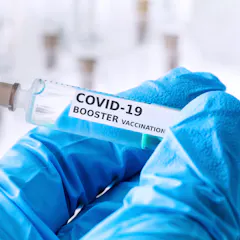
Only time and data will tell whether the CDC-recommended reformulated shots can stand their ground against the ever-changing SARS-CoV-2 variants.

The COVID-19 pandemic may have played a considerable role in the uptick of adults being treated for ADHD. But more data is needed to determine whether the trends will continue.

An expert panel found a potential association with liver cancer, but too little research exists to assume a causal connection. For now, the WHO left current consumption guidelines unchanged.

The shortages, which have been going on for years, have typically affected only low-cost generics rather than profitable brand-name drugs.

The new over-the-counter pill is highly effective at preventing pregnancy but must be taken at the same time daily, which can be a limitation for some people.

With the approval of the first over-the-counter oral contraceptive, pharmacists stand to play an ever-increasing role in helping expand access to reproductive health care in the post-Roe era.

In 1983, during the early days of the AIDS epidemic, the US Food and Drug Administration made the decision to ban gay men from donating blood. Now, 40 years later, it is dropping that rule.
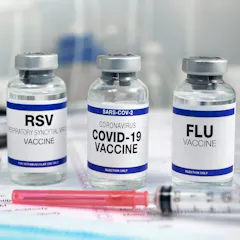
The newly approved RSV vaccine could be rolled out by fall 2023, in time for the typical winter surge in RSV infections.

As the government’s oldest consumer protection agency, the FDA has long butted up against drugmakers, activists and politicians. But undermining its work could be harmful to patient health and safety.
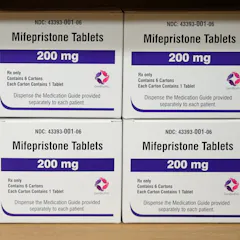
Mifepristone’s safety in medication abortions has been well established over more than two decades, but legal wrangling leaves the future of the drug hanging in the balance.

The Supreme Court’s ruling on mifepristone keeps the drug accessible for now, but its future is still in limbo.

If the ruling to reverse the use of mifepristone stands, it will not only severely restrict abortion access for women throughout the US – it will have far-reaching effects on health care.

Dense breast tissue is common and normal, but it can make cancer more difficult to detect. FDA requirements going into effect in September 2024 will dictate that patients be better informed about it.

Here’s why it’s taken so long to develop a vaccine for respiratory syncytial virus and what we can expect next.
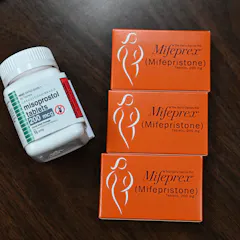
A rash of pending lawsuits raises questions about the FDA’s approval of mifepristone two decades ago, whether the drug can be legally mailed and the constitutional right to interstate commerce.

Many questions remain about next steps for US vaccine policy. But the FDA advisory panel’s hearty endorsement of a single-composition COVID-19 vaccine represents a pivotal step.
Top contributors
-

Distinguished Professor of Pharmacy Practice, University of Connecticut
-
Professor of Law, Villanova University
-
Associate Professor of Pharmacy and Therapeutics, University of Pittsburgh
-
Associate Professor of Public Policy, University of Maryland, Baltimore County
-
Associate Professor of Pediatrics, University of Virginia
-
Associate Professor of Health Promotion and Policy, UMass Amherst
-
Associate professor, Department of Family and Community Medicine, University of Toronto; York University, Canada; University of Sydney
-
Associate Professor of Obstetrics, Gynecology and Gynecologic Surgery, University of California, San Francisco
-
Associate Professor of Molecular Medicine, UMass Chan Medical School
-
Professor and Dean, School of Public Health, Georgia State University
-
Instructor of Human Immunology, Emory University
-
Associate Professor of Legal Studies and Political Science, UMass Amherst
-
Adjunct Associate Professor of Epidemiology, University of California, Los Angeles
-
Associate Professor of Operations and Decision Technologies, Kelley School of Business, Indiana University
-
Professor of Pathology, Microbiology and Immunology, University of South Carolina