
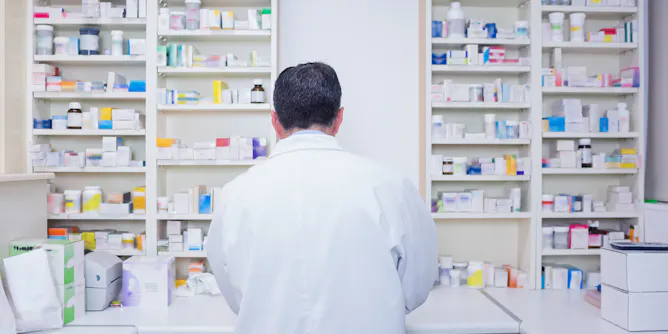
Every year, thousands of medical devices and drugs are recalled in the US. But the decision to recall a flawed product is often left up to the manufacturer.
Articles on Food and Drug Administration (FDA)
Displaying 141 - 160 of 193 articles

The FDA has given the green light to sell the first genetically engineered animal – farmed salmon –in the US.

With Gottlieb’s departure from the FDA imminent, what should we expect from the FDA? How is it likely to regulate the still controversial genetically engineered foods?

According to current regulations, animals that have been genetically edited, like pigs or cows, are considered drugs. What are the consequences of such rules on American livestock and agriculture?

A safety committee convened by the FDA has declared esketamine safe for severe depression. But isn’t this drug the same as ketamine, an illegal street drug? A medical anthropologist explains.

Most Americans underestimate how many calories nutritionists recommend they consume each day, which means maybe you can probably have one more treat without feeling guilty.

Don’t eat raw cookie dough in a house, with a mouse, or here, there or anywhere, wrote the FDA commissioner last week. A public health scholar sees – and tastes – things differently.

Men who can’t take drugs for erectile dysfunction and overweight people who can’t lose weight sometimes turn to natural supplements, thinking they are safe. Many times, they are not.

E-cigarettes are hotly debated because of the uncertainty of whether they are a gateway to cigarette smoking for teens, or an aid to smoking cessation. One thing is clear: They are not biodegradable.
The Trump administration wants to streamline federal food safety efforts under one roof as part of a sweeping new plan to reorganize government.
The rising costs of generic drugs have led to outcries. In a search for solutions, four hospital systems are proposing to make drugs on their own. Could their idea work?

An increasing list of rare diseases can now be treated with gene therapy. But we need to figure out a way to make them affordable.
Congress has sent a bill to the White House. It gives terminally-ill patients more false hope than chances for a cure.
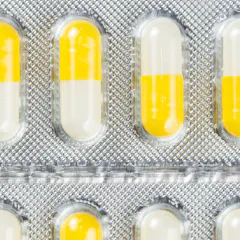
Health Canada proposes to increase fees to the pharmaceutical industry for prescription drug approval. This will compromise drug safety and is a risk to the health of the Canadian public.

Philip Morris has applied to the FDA to market a product that it says is safer than a cigarette, but its own data show that is not true.

The herb kratom has a large following and is so popular that it is sold in vending machines. The FDA recently issued a public warning about the herb, which contains low levels of opioids.

A successful gene therapy for the leading cause of sight loss in children is being reviewed by the FDA.
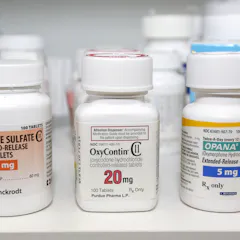
How can we fight the opioid epidemic? Redesign the drugs, rethink how we assess patients and mandate prescription monitoring.

Pacemakers are Internet of Things devices for the human body, but they’re still not particularly secure.

Companies are exploiting a knowledge gap with consumers and fears of the supposed health hazards of certain ingredients with so-called absence labels.
Top contributors
-

Distinguished Professor of Pharmacy Practice, University of Connecticut
-
Professor of Law, Villanova University
-
Associate Professor of Pharmacy and Therapeutics, University of Pittsburgh
-
Associate Professor of Public Policy, University of Maryland, Baltimore County
-
Associate Professor of Pediatrics, University of Virginia
-
Associate Professor of Health Promotion and Policy, UMass Amherst
-
Associate professor, Department of Family and Community Medicine, University of Toronto; York University, Canada; University of Sydney
-
Associate Professor of Obstetrics, Gynecology and Gynecologic Surgery, University of California, San Francisco
-
Associate Professor of Molecular Medicine, UMass Chan Medical School
-
Professor and Dean, School of Public Health, Georgia State University
-
Instructor of Human Immunology, Emory University
-
Associate Professor of Legal Studies and Political Science, UMass Amherst
-
Adjunct Associate Professor of Epidemiology, University of California, Los Angeles
-
Associate Professor of Operations and Decision Technologies, Kelley School of Business, Indiana University
-
Professor of Pathology, Microbiology and Immunology, University of South Carolina