
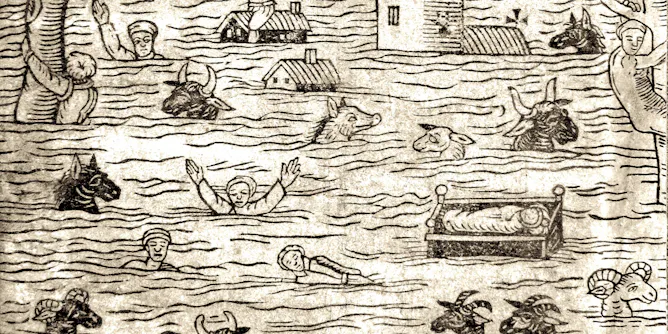
Chaucer and Shakespeare lived through periods of weird weather not unlike what we are seeing today. So what can we learn from their writing?
Articles on Floods
Displaying 61 - 80 of 535 articles

Governments and experts need to consider both the frequency and size of floods to better prepare for future ones.
How Sri Lanka can move from reactive disaster management toward proactive climate resilience.
Canadians faces a growing safety crisis yet they remain unprepared. The real danger is complacency.
In Ghana, the degradation of wetlands is widespread and many are in poor condition.

Floods can be more damaging to frogs than bushfires, new research shows. Floods wash away eggs and habitat, and could spread devastating fungal pathogens.
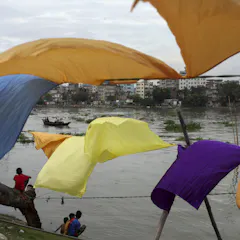
Bangladesh’s ratification of the UN Water Convention could increase the nation’s legal clout in transboundary water governance.

Since Dolgarrog, the UK has had an excellent reservoir safety record but disasters do still occur.
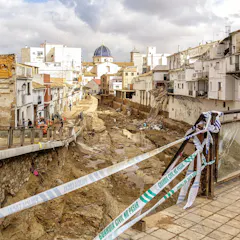
The floods’ death toll was the result of weather and human factors.
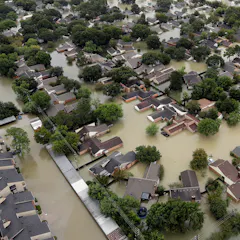
In general, people are moving to safer homes after disasters, but the vast majority are selling, meaning someone else is now taking on that risk. Buyout programs can help.
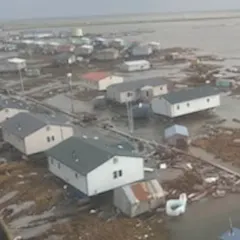
‘As the storm approached Alaska, everything went sideways,’ leaving people no time to evacuate and little time to prepare. An Alaska meteorologist explains what happened and the challenges ahead.

From drought to soil degradation and environmental pollution, why does society overlook the most impactful disasters?
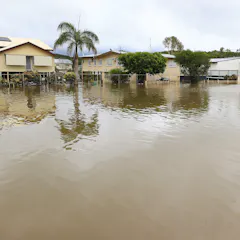
Nearly eight in ten homes facing severe to extreme flood risk are now not insured. We need to rethink how to keep communities safe.
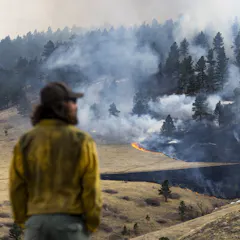
Increasing awareness can help close the gap on the number of people signed up for emergency alerts, but that won’t happen without increased accessibility.

The sobering assessment is a national call to action. The sooner Australia mitigates and adapts, the safer we will be.

Evacuations do not impact everyone the same way, and Indigenous evacuees can be re-traumatized and treated poorly.

South Africa’s G20 presidency is working on getting communities ready to survive disasters.

More powerful storms and melting glaciers are flooding communities across the region again, with devastating effects, particularly in the mountains.

States used to be on their own when a disaster hit. Then the Great Mississippi River Flood of 1927 and the Dust Bowl showed why federal coordination was essential.
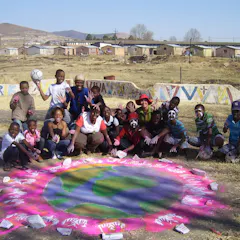
Low-income communities in Africa have done nothing to cause climate change but are worst affected by climate-related disasters, which are expensive to recover from.
Top contributors
-

ARC Future Fellow and Associate Professor in Climate Science, ARC Centre of Excellence for 21st Century Weather, The University of Melbourne
-
Regius Professor of Meteorology and Climate Science, University of Reading
-
Professor of Environmental Planning, University of Waikato
-
Professorial Fellow, University of Canberra
-
Professor emeritus, The University of Melbourne
-
Senior Research Associate, UNSW
-
Associate Professor in Environmental Science, Western Sydney University
-
Climate Scientist, Australian Bureau of Meteorology
-
Associate Professor, School of Civil, Environmental and Mining Engineering, Adelaide University
-
Associate Professor, Macquarie University
-
Senior Research Fellow, The University Centre for Rural Health, University of Sydney
-
Clinical Associate Professor, School of Medical Science & Sydney Infectious Diseases Institute; Principal Hospital Scientist, University of Sydney
-
Senior Research Associate, Institute for Environment and Human Security (UNU-EHS), United Nations University
-
Postdoctoral Research Fellow in Atmospheric Sciences, The University of Melbourne
-
Senior Lecturer, Climate Science and Science Communication, The University of Melbourne