
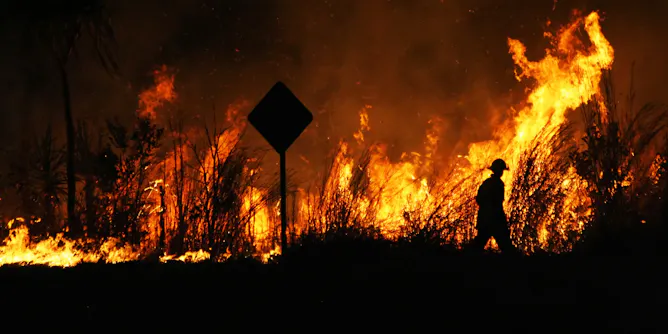
Australians have endured floods, bushfires and hailstorms and more over the last two years. The government is better aligning policy to deal with disasters, but its plan is somewhat half-baked.
Articles on Floods
Displaying 321 - 340 of 535 articles
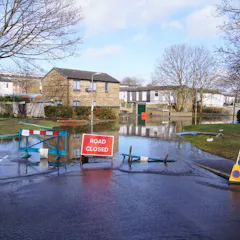
Some flood dangers can be hard to spot initially – to planners, developers and home-buyers. Sometimes, the danger comes from underground.
We surveyed people with disability and carers after a major flood in the Northern Rivers area of New South Wales area. Some of the stories were shocking.
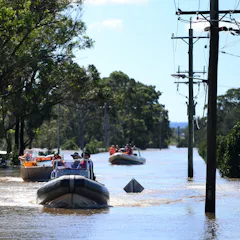
Many flood-affected Sydneysiders live in what amounts to a bathtub. With the next flooding season on their doorstep, they can expect more frequent, devastating floods.
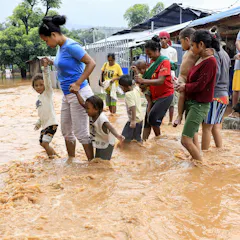
In flood-ravaged Dili, COVID-19 restrictions were abandoned as the disaster unfolded. But it means an already escalating pandemic situation may spiral out of control.
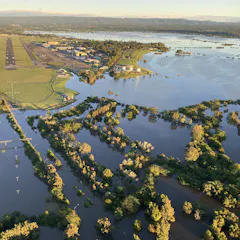
Floodplains are among the most productive ecosystems on the planet – they are biodiversity hotspots. That’s in large part due to periodic flooding between different parts of a river-floodplain system.
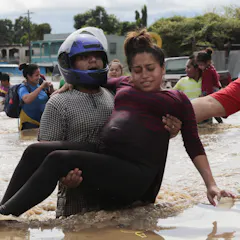
Flood-related stress can have a negative impact on pregnant mothers and their unborn babies. But our research found there are many strategies that can limit the harm.
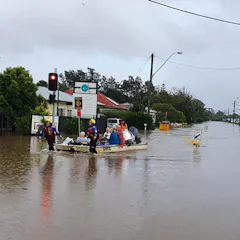
Today’s risks will be tomorrow’s normal. That means tough decisions have to be made about human settlements having to retreat from areas most at risk, whether from floods or bushfires.

The NSW floods are a textbook example of the theoretical impacts we can expect on Australian rainfall as climate change continues.
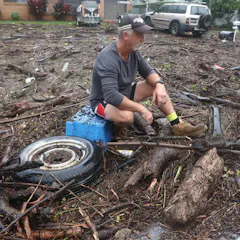
Evacuation and relief centres are often the first place disaster-affected people go, and should provide a minimum standard of living and care. But this standard is not always met.
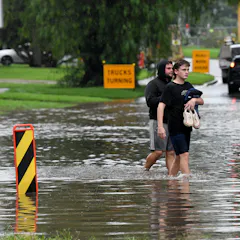
It’s not enough to continue to build cities and towns based on business-as-usual planning principles. We need to plan and design our urban spaces around the idea that flooding is inevitable.
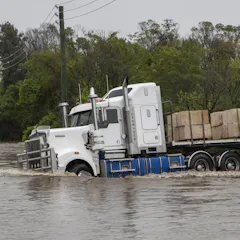
The expert advice is to never drive, walk, or ride through flood waters. Unfortunately, however, this is advice often not heeded. Research on psychology and floods reveals clues as to why.
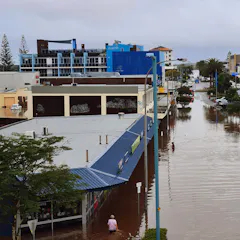
Unless you’ve lived through it, it’s hard to understand how stressful a catastrophic flood can be - both in the moment and long after the event. That’s especially true for vulnerable populations.

In Australia and around the world, failures in flood warnings can have devastating effects. But ‘humanitarian engineering’ may have the answer.
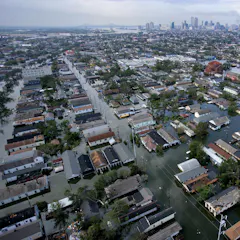
We can design parks, open space and public infrastructure to hold excess water when flood strikes. That means better control of where floodwater ends up, reducing the risk to lives and property.
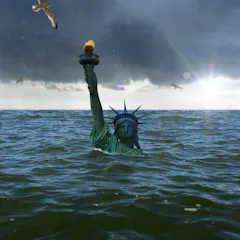
Cultures worldwide are awash with tales of great floods. What can they tell us about the reality of a wetter world?
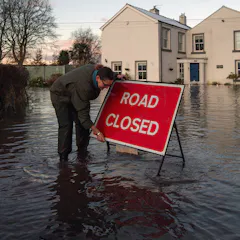
Clear messaging is crucial when dealing with multiple disasters.
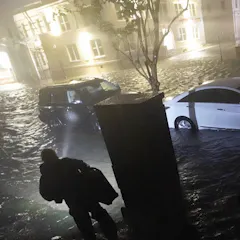
NOAA released its list of climate and weather disasters that cost the nation more than $1 billion each. Like many climate and weather events this past year, it shattered the record.
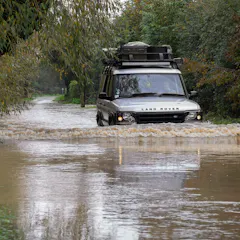
La Niña means we are forecast a wet winter – and people are struggling and ill-prepared.
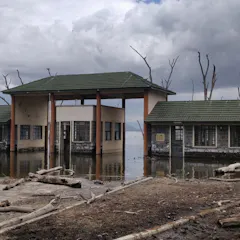
Because the forecast for rainfall in the Rift Valley basin is a rising trend, the lake levels look set to rise even more in the future.
Top contributors
-

ARC Future Fellow and Associate Professor in Climate Science, ARC Centre of Excellence for 21st Century Weather, The University of Melbourne
-
Regius Professor of Meteorology and Climate Science, University of Reading
-
Professor of Environmental Planning, University of Waikato
-
Professorial Fellow, University of Canberra
-
Professor emeritus, The University of Melbourne
-
Senior Research Associate, UNSW
-
Associate Professor in Environmental Science, Western Sydney University
-
Climate Scientist, Australian Bureau of Meteorology
-
Associate Professor, School of Civil, Environmental and Mining Engineering, Adelaide University
-
Associate Professor, Macquarie University
-
Senior Research Fellow, The University Centre for Rural Health, University of Sydney
-
Clinical Associate Professor, School of Medical Science & Sydney Infectious Diseases Institute; Principal Hospital Scientist, University of Sydney
-
Senior Research Associate, Institute for Environment and Human Security (UNU-EHS), United Nations University
-
Postdoctoral Research Fellow in Atmospheric Sciences, The University of Melbourne
-
Senior Lecturer, Climate Science and Science Communication, The University of Melbourne