
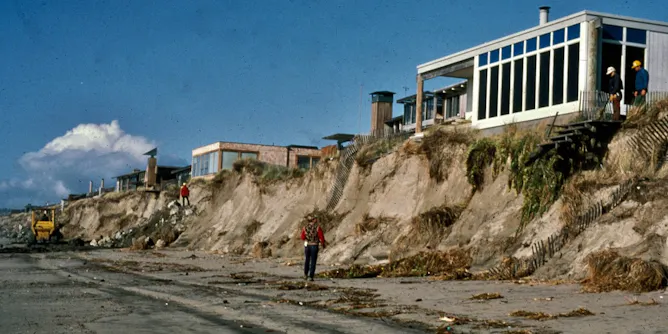
The destructive 1982-83 El Niño, then the strongest on record, eroded cliffs, leaving homes hanging precariously over the edges. A coastal scientist explains the escalating risks.
Articles on Erosion
Displaying 1 - 20 of 69 articles

Healthy coral reefs can significantly reduce hurricane damage for coastlines, yet many still face harms, including pollution and ship damage, that people have the power to stop.

The tsunami struck just 12 hours after a cruise ship had left the fjord, rattling the tourism industry.
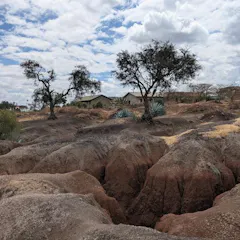
Erosion is intensifying in parts of Tanzania. But there are initiatives underway to tackle this gaping problem.
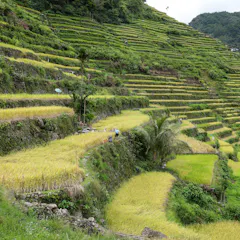
As climate extremes intensify, adaptation debates favor new technologies. Terraces in the Philippines and Morocco show how people modified their landscapes to respond to past climate shifts.
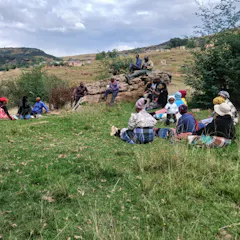
Rural communities in South Africa rely on public land to graze their livestock. They must be part of fighting soil erosion and restoring natural grasses.
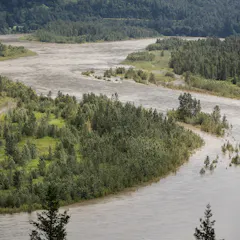
Riprap can bury the spawning habitats of fish, increase river temperatures and exacerbate erosion elsewhere. There are alternative ways to stabilize riverbanks.

BIOCAP tiles reimagine seawalls as dynamic, ecologically active systems that have the potential to enhance coastal resilience.
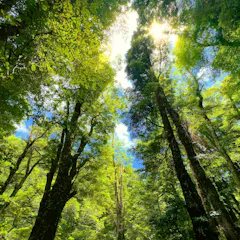
Soil erosion, water pollution, waste production and the loss of biodiversity are among multiple pressures degrading New Zealand’s environment.
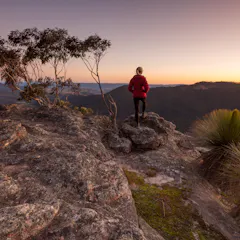
While many opt for deluxe alternatives to a backpack and tent, they can also stop independent hikers with smaller budgets from accessing national parks.
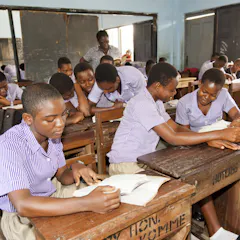
Geoscience literacy and awareness among the Ghanaian public is poor.
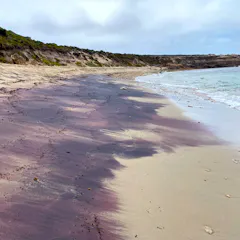
The hunt for the origin of garnet crystals found on South Australian beaches took researchers thousands of kilometres and half a billion years back in time to a hidden Antarctic mountain range.
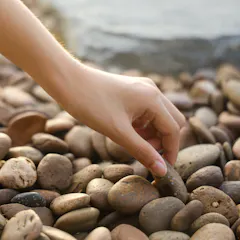
People taking pebbles from some beaches in Cumbria, England, will now face fines of up to £1,000.
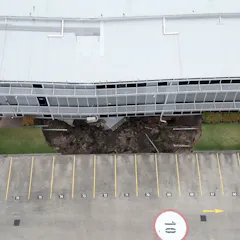
When the soil ‘ceiling’ collapses, you end up with a hole exposing a cavity previously hidden underground.

Public concerns for real estate value, and a focus on the self, make flood risk maps unpopular. However, these concerns should not dissuade governments from providing resources we can all trust.
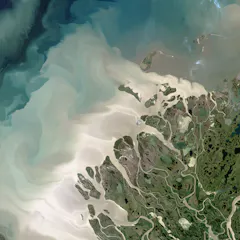
A new study shows how thawing permafrost and intensifying storms will change how water moves into and through Arctic rivers.
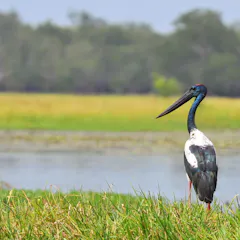
Researchers, managers and Traditional Owners are joining forces to understand and combat climate threats to Australia’s many unique World Heritage sites.
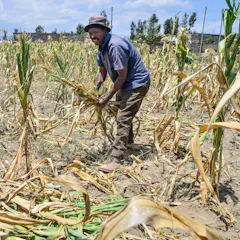
Smallholder farmers are bearing the brunt of climate change in sub-Saharan Africa. Deliberate steps are required to support them and boost agricultural output,
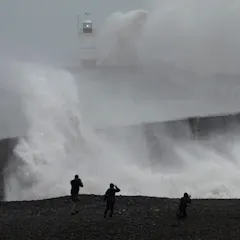
The same instruments used to measure earthquakes pick up vibrations as ocean waves put pressure on the sea floor. Four decades of data tell a story about ocean storms.
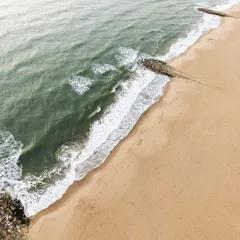
Coastlines need to be recognised as dynamic, shifting environments rather than as environments that need to be controlled and managed.
Top contributors
-

Professor of Biogeochemistry, University of Wollongong
-
Professor of Earth and Space Sciences, University of Washington
-
Research Fellow, Adelaide University
-
PhD candidate Department of Environmental & Geographical Science, University of Cape Town
-
Ass. Professor, University of Maryland Eastern Shore; North-West University
-
Guest Research Scholar, International Institute for Applied Systems Analysis (IIASA)
-
Research Scientist, Australian Bureau of Meteorology
-
Visiting professor, University of Saskatchewan
-
Professor in Earth Sciences, Nanyang Technological University, Singapore, and Emeritus Professor of Mineral Physics, University of Cambridge
-
Professor of Geology, Adelaide University
-
Senior fellow, King's College London
-
Professor, TC Beirne School of Law, The University of Queensland
-
Senior Lecturer in Ocean and Earth Science, University of Southampton
-
Associate Professor of Engineering, Auburn University
-
Professor of Intersectional Justice, UCL