

The Strait of Hormuz bottleneck may be about to reopen – but damage to oil infrastructure will mean lingering pain in Australia – and worldwide.
Articles on Energy
Displaying 161 - 180 of 1200 articles
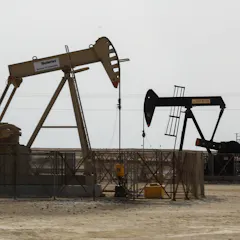
For sheer abundance and ease of production of oil and natural gas, it simply doesn’t get any better than the Persian Gulf region.
The government’s response to the fuel crisis has been to reassure us normality will resume. Amid global uncertainty, that’s not enough.
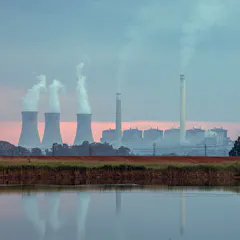
South Africa’s top appeal court has ordered the state-owned power utility Eskom to disclose its coal and diesel contracts, marking a major win for transparency and accountability.

Fertilizer is more expensive and in shorter supply. Without the right amounts of fertilizer at specific times, yields drop, food prices increase and food shortages result.

Fuel shortages are rising worldwide, and some countries have started rationing fuel. Wartime rationing offers a model for managing scarcity more fairly.
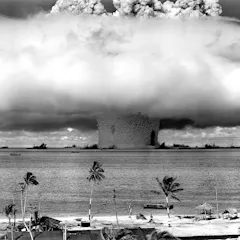
For decades, the US seriously pursued the idea of ‘peaceful nuclear explosions.’

There’s been a surge of interest in EVs as the oil crisis hits – and secondhand EVs are especially in demand
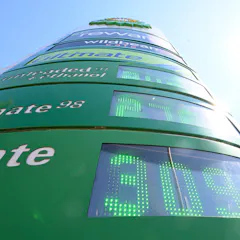
Australia isn’t about to run out of fuel. But disruptions caused by tightening supply are cascading. It’s time to plan to reduce dependence on foreign fuel.
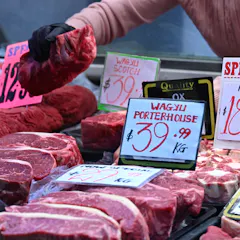
Modelling shows higher costs affecting freight, food production, and manufacturing – pushing up the cost of all kinds of goods, from steak to steel.
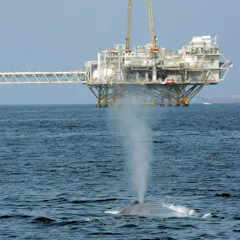
The committee voted to exempt some oil and gas operations from the Endangered Species Act in the name of national security.

Countries don’t just switch from fossil fuels to renewable energy sources. Each takes its own path, depending on its economy, international trade relations and government stability.
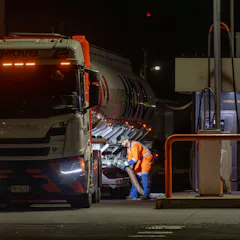
As prices surge, the Middle East crisis highlights New Zealand’s exposure to global oil – and the need to accelerate more resilient alternatives.

Eskom’s plans to cut power to 14 indebted municipalities expose a deepening crisis in South Africa’s state-owned electricity provider.
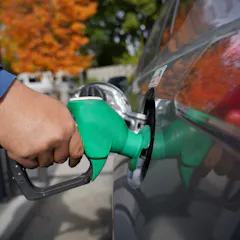
New Zealand’s electricity generation now accounts for only 5% of emissions, but oil use in transport is on the rise, outweighing the shift to electric vehicles.

US consumers, already feeling pain at the gas pump, can expect higher prices and prolonged shortages for goods of all sorts, including food, as additional consequences of slowed oil production.

Nations’ stores of petroleum can dampen price shocks in the short term, but as reserve supplies dwindle, economic pain may continue.
Israel and Iran have both attacked critical energy infrastructure sites. So what does this mean for energy prices here in Australia, and around the world?
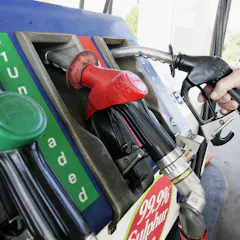
Past crises show heavy state intervention can backfire – what should New Zealand do differently this time?
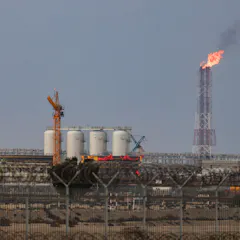
Iran has responded in kind to attacks on its energy infrastructure. With the energy assets of Gulf states now in play for Tehran, regional chaos grows by the hour.
Top contributors
-

Professorial Fellow, University of Canberra
-
Senior Fellow in Energy and Climate Change, Grattan Institute
-
Professor and Director, Victoria Energy Policy Centre, Victoria University
-
Professor of Transport Technology and Sustainability, Swinburne University of Technology
-
Professor of Law, Deakin University
-
Professor, School of Economics, The University of Queensland
-
Research Associate, Institute for Climate Risk and Response, UNSW
-
Senior Industry Fellow, Environment and Planning, RMIT University
-
Senior Research Associate, Renewable Energy & Energy Systems Analyst, UNSW
-
Lecturer in International Studies, University of Washington
-
Professor of Engineering, Australian National University
-
Climateworks Centre Country Lead, Australia, Monash University
-
Professor of Sustainability, Curtin University
-
Professor of Public Policy and Director of the Payne Institute, Colorado School of Mines
-
Adjunct Professor in Sustainability, The University of Western Australia