

The EU energy label for these devices now includes scores aimed at drawing consumers to products that are easier to fix.
Articles on Energy
Displaying 281 - 300 of 1200 articles

It doesn’t sound big. But this humble new set of rules will make it possible for many Australian households to export a lot more solar – and help the power grid .
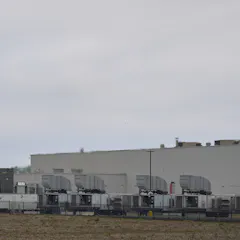
Analysis of the air quality data available for southwest Memphis finds that pollution has long been quite bad, but the turbines powering an xAI data center have not made it much worse.
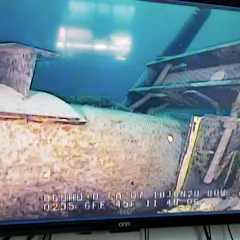
The disputes raise questions about the region’s economy and environment, as well as national priorities over energy, water, climate and Indigenous rights.
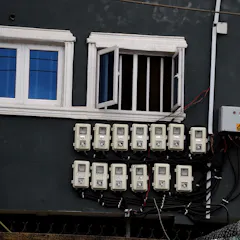
Nigeria’s electricity reforms look solid on paper, but the real-world results still lag.

To cut emissions fast, the Australian government will have to dial back its command-and-control approach – and put a price on carbon.
The target seeks to balance positive action with pragmatism. Achieving it will requires a major policy step-up.
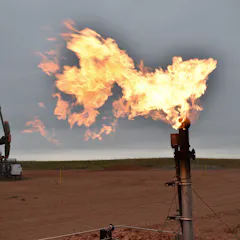
Even fossil fuel companies have found that clean energy can reduce costs.

The energy expert says Australia’s only on track to cut its emissions by around 50% by 2035 – ‘so we’re going to have to step up the pace’ in the next decade.
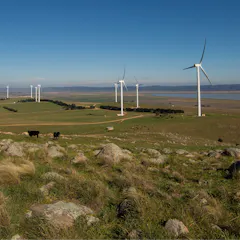
Communities hosting renewables projects often don’t receive meaningful benefits. Giving them cheap electricity could make the transition fairer – and faster.
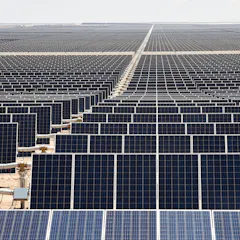
Weaning ourselves off fossil fuels is glacially slow – isn’t it? This pessimistic narrative doesn’t stack up against evidence of very rapid change in the real world.
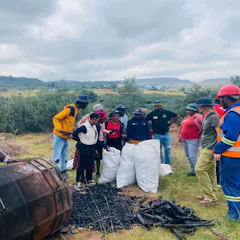
New research says invasive black wattle trees that are burnt as fuelwood in South Africa’s rural areas would be better turned into charcoal and useful wood products.

An analysis finds that fewer electric vehicles will also mean less investment to clean up the electricity sector.
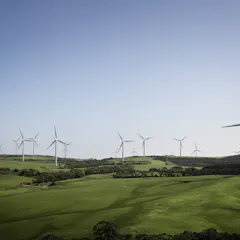
Is climate action a cost or benefit? The debate is dividing big Australian businesses. But the answer is clear: benefits from action far outweighs the cost.

Solar on rooftops and EVs on the roads can give a false sense of progress. But it will take much more to actually end reliance on fossil fuels.
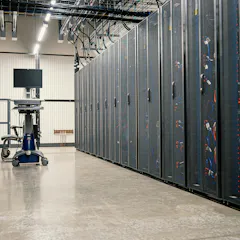
Stored data contributes to greenhouse gas emissions by needing power for servers and cooling systems.
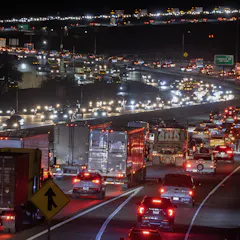
Carbon dioxide emissions trap heat in the atmosphere, warming the planet. Too much of it can disrupt the climate and oceans.
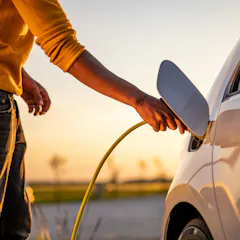
It’s cheaper to charge an EV than fuel a petrol car. But while charging can be dirt cheap, it’s not always the case.

Exciting as it sounds, most of this technology is still locked away in labs, not available in airports.

The way we drive in the real world means the estimated range for a new EV isn’t quite accurate.
Top contributors
-

Professorial Fellow, University of Canberra
-
Senior Fellow in Energy and Climate Change, Grattan Institute
-
Professor and Director, Victoria Energy Policy Centre, Victoria University
-
Professor of Transport Technology and Sustainability, Swinburne University of Technology
-
Professor of Law, Deakin University
-
Professor, School of Economics, The University of Queensland
-
Research Associate, Institute for Climate Risk and Response, UNSW
-
Senior Industry Fellow, Environment and Planning, RMIT University
-
Senior Research Associate, Renewable Energy & Energy Systems Analyst, UNSW
-
Lecturer in International Studies, University of Washington
-
Professor of Engineering, Australian National University
-
Climateworks Centre Country Lead, Australia, Monash University
-
Professor of Sustainability, Curtin University
-
Professor of Public Policy and Director of the Payne Institute, Colorado School of Mines
-
Adjunct Professor in Sustainability, The University of Western Australia