
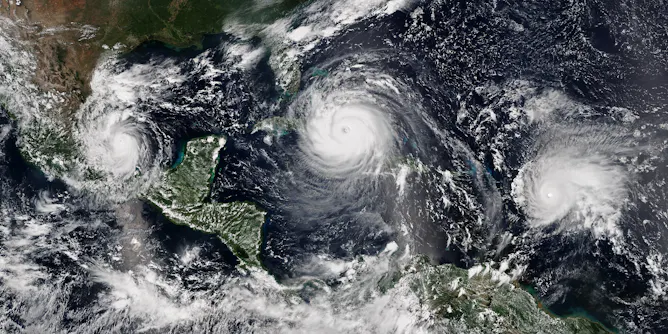
To get a sense of how bad the 2021 hurricane season will be, keep an eye on the African monsoon, ocean temperatures and a possible late-blooming La Niña.
Articles on El Niño Southern Oscillation
Displaying 61 - 72 of 72 articles
During the European Middle Ages, parts of the world experienced warming similar to that between 1960 to 1990. But the rising temperatures we’re observing now are global and exceed the past record.

The NSW floods are a textbook example of the theoretical impacts we can expect on Australian rainfall as climate change continues.

With research that offers new insights, there is increased hope for improved climate predictions and better preparation for severe weather conditions.
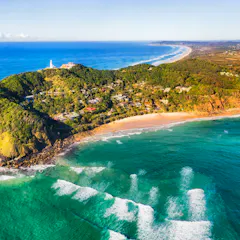
Over the past six months, tourists and locals have been shocked to see Byron’s famous Main Beach literally disappearing. Satellite imagery and local knowledge has revealed what’s going on.
Mosquitoes love the wetter weather La Niña brings to some parts of Australia. But will we see more mosquito-borne disease?
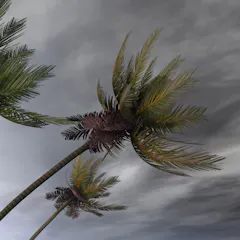
Tropical cyclones account for almost four in five natural disasters across Pacific Island nations. But a new forecasting tool now gives up to four months warning for the upcoming cyclone season.
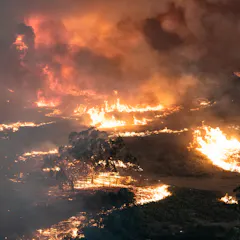
The latest bushfires cannot be compared to Ash Wednesday or Black Saturday. Our nation’s fire history is being rewritten.
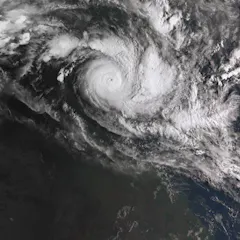
Southern and eastern Australia need to prepare for heatwaves and increased fire risk this summer, as forecasts predict hot, dry weather.
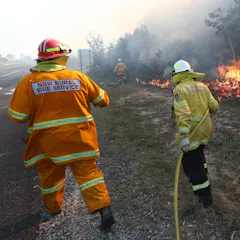
Bureau of Meteorology researchers painstakingly analysed more than 40 years of data to work out exactly what is causing Australia’s spring bushfire phenomenon.

El Niño events can affect millions of people around the world, causing drought in Australia and floods in the Americas.
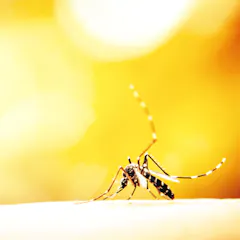
Is our changing climate making regions of the US more suitable for ticks and mosquitoes that spread diseases? Or is the climate changing human physiology making us more vulnerable?
Top contributors
-

ARC Future Fellow and Associate Professor in Climate Science, ARC Centre of Excellence for 21st Century Weather, The University of Melbourne
-
Senior Research Associate, UNSW
-
Director of the ARC Centre of Excellence for Our Future Oceans and Scientia Professor in Oceanography, UNSW
-
Senior Research, Euro-Mediterranean Center on Climate Change; Professor of Ocean and Climate Dynamics, Georgia Institute of Technology
-
Professor, UNSW
-
Honorary Associate Professor of Climate Science, The University of Melbourne
-
Chief Research Scientist, Oceans and Atmosphere, CSIRO, CSIRO
-
Atmospheric Science Educator, Georgia Institute of Technology
-
Postdoctoral Research Fellow in Atmospheric Sciences, The University of Melbourne
-
Associate Research Professor in Climate Modeling, University of Colorado Boulder
-
Climate Research Scientist, National Oceanic and Atmospheric Administration
-
Professor of Climate Dynamics, University of East Anglia
-
Assistant Professor, Climate Science, Northumbria University, Newcastle
-
Manager Research and Development, Country Fire Authority
-
Associate Professor in Earth Science, Royal Holloway, University of London