
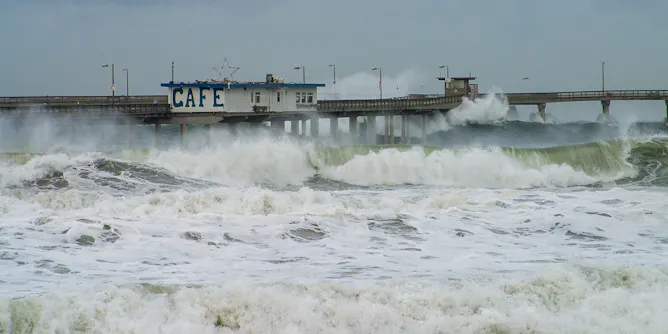
An El Niño weather-warming phase is underway in the Pacific – but what does this mean for the weather in Europe?
Articles on El Niño Southern Oscillation
Displaying 41 - 60 of 72 articles
Over the past three years, Earth’s climate system has accumulated an average of 11 Hiroshima bombs’ worth of excess energy per second. And it’s showing in the current surge in ocean temperature.

2016 was the world’s warmest year on record, due in part to a very strong El Niño event. But 2023 (and 2024) could beat that record – what should we expect?

The scale of climate threat is beyond the tools we have to manage the Great Barrier Reef. New measures and sustained effort are needed.
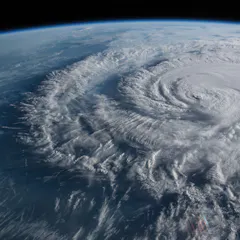
Current forecasts suggest a warm tropical Pacific will be interfering with what could otherwise be a ferocious Atlantic hurricane season.
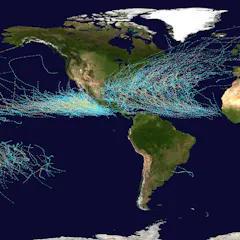
El Niño years put Hawaii and the Mexican Riviera on alert for destructive tropical storms and hurricanes.
The research help us understand how El Niño and La Niña will change as the world warms in the future.
The oceans are getting hotter, with a likely El Niño and climate change responsible.
El Niño can trigger intense and widespread periods of extreme ocean warming known as marine heat waves. They can devastate marine life.
The Pacific Ocean climate pattern is the opposite of El Niño.
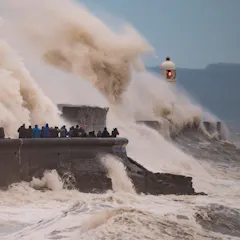
An expert explains why the UK’s winter has been relatively calm.
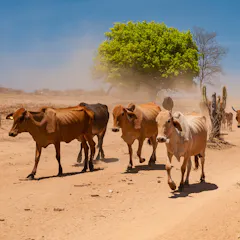
From bushfires in Australia to insect-borne disease outbreaks in Colombia.
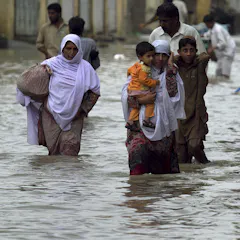
Globally, the air is getting hotter and drier, which means flash droughts and risky fire conditions are developing faster and more frequently.

The Met Office has predicted that England is to be affected by flooding this February.
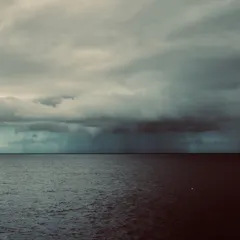
The findings have big implications for how Australians prepare for extreme weather events.

By following moisture from the oceans to the land, researchers worked out exactly how three oceans conspire to deliver deluges of rain to eastern Australia.
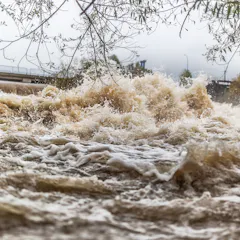
Southern Africa’s current above-average rainfall is a climate variability signal - a short-term fluctuation in average wet-season conditions.
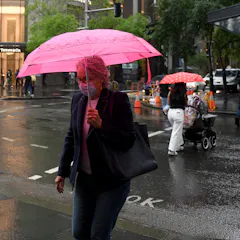
After one La Niña, the Pacific sometimes retains cool water which enables a second La Niña to form.

Many farmers are welcoming an expected summer of La Niña rain, while others have been hit by heavy rain and floods
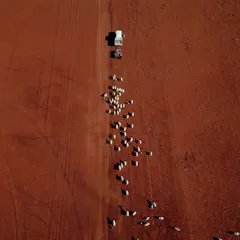
‘Thirsty air’ can create rapid and devastating drought – new research offers hope we might be able to see it coming in advance.
Top contributors
-

ARC Future Fellow and Associate Professor in Climate Science, ARC Centre of Excellence for 21st Century Weather, The University of Melbourne
-
Senior Research Associate, UNSW
-
Director of the ARC Centre of Excellence for Our Future Oceans and Scientia Professor in Oceanography, UNSW
-
Senior Research, Euro-Mediterranean Center on Climate Change; Professor of Ocean and Climate Dynamics, Georgia Institute of Technology
-
Professor, UNSW
-
Honorary Associate Professor of Climate Science, The University of Melbourne
-
Chief Research Scientist, Oceans and Atmosphere, CSIRO, CSIRO
-
Atmospheric Science Educator, Georgia Institute of Technology
-
Postdoctoral Research Fellow in Atmospheric Sciences, The University of Melbourne
-
Associate Research Professor in Climate Modeling, University of Colorado Boulder
-
Climate Research Scientist, National Oceanic and Atmospheric Administration
-
Professor of Climate Dynamics, University of East Anglia
-
Assistant Professor, Climate Science, Northumbria University, Newcastle
-
Manager Research and Development, Country Fire Authority
-
Associate Professor in Earth Science, Royal Holloway, University of London