

My research shows New Zealanders are likely to cope better with the coronavirus lockdown if they spend time exercising and playing outdoors, while still following official advice on social distancing.
Articles on COVID-19 pandemic
Displaying 341 - 360 of 362 articles
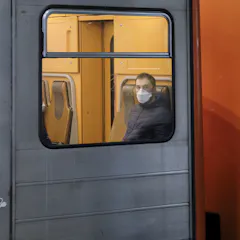
Many operators have lost almost all their fare revenue. Even those who operate on contract terms that reduce the impact of falling patronage must bear the costs of disinfection and other precautions.
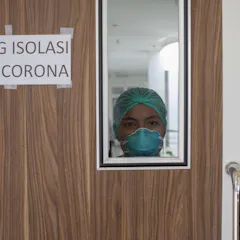
Massive COVID-19 rapid testing is starting this week in the several cities and regencies of coronavirus hot spot of Jakarta, West Java and Banten focusing on vulnerable groups.
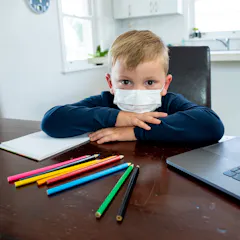
Despite a comprehensive lockdown, New Zealanders should expect the number of people with coronavirus infections to rise first, before they come down again.
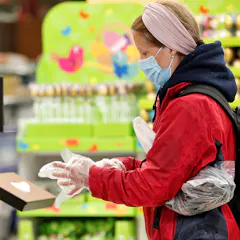
Whether you’re going grocery shopping, handling money, going to the park, taking public transport or getting takeaway - here are some tips on what to avoid when possible.
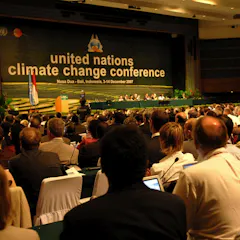
Travelling to conferences and meetings has become a way of life for many of us – and has driven up emissions. Now COVID-19, not climate change, is forcing us to explore and develop alternatives.

While there is no cure for COVID-19, dozens of clinical trials are underway to test retroviral medicines and potential vaccines targeting the novel coronavirus.

The federal government has declared a state of emergency over COVID-19. Two public health scholars explain what that means.

Most of the activities that define city life we do together. Now that we are having to get used to more isolated lives, will this have lasting social impacts or will city life resume as before?

Emphasizing foreign origins of a disease can have racist connotations and implications for how people understand their own risk of disease.

As New Zealand enters a four-week lockdown, some business leaders will get their workers through better than others. Five key principles can make all the difference.
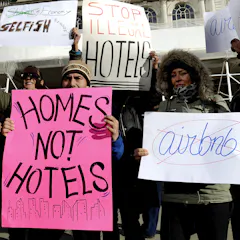
Platforms like Airbnb have been blamed for reducing the rental housing supply and pushing up rents. But investors seeking more security might now want to offer their properties to long-term renters.

If you know your own personality traits, you might then be better placed to resist your worst unthinking impulses in a time of high anxiety.

The media is regurgitating an international narrative that may not be fit for localised purpose.
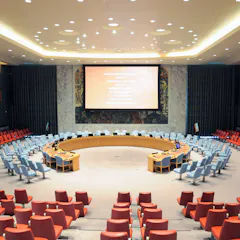
Countries have tried a variety of approaches to contain the spread of COVID-19 – except a coordinated one.
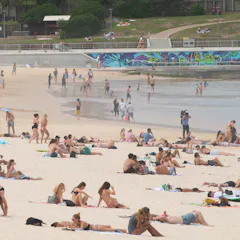
With social activities shut down across the country, many are wondering: how long will people stick to the rules, before they get complacent?
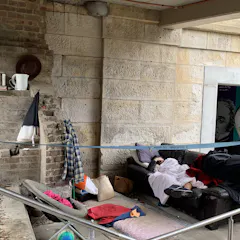
Improving the housing conditions of the most marginalised people among us is an important biosecurity measure for the whole community.
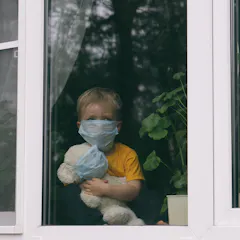
New Zealanders are preparing to stay at home for four weeks to stop the spread of COVID-19. Under existing laws, people who flout lockdown rules could face fines or six months in jail.
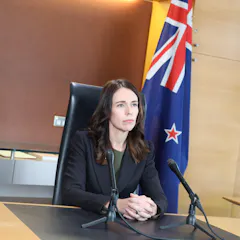
Overjoyed. That’s not a word epidemiologists normally use, but that’s how I felt after hearing Prime Minister Jacinda Ardern’s announcement of New Zealand’s COVID-19 lockdown from Wednesday night.
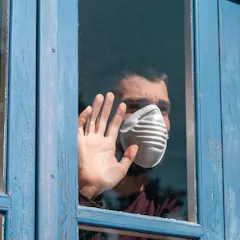
More than one-in-16 people in New Zealand is a migrant without residence status. For everyone’s sake, to contain COVID-19 we need to ensure those 300,00 people can access health and social services.
Top contributors
-

Professor in Applied Mathematics, University of Canterbury
-
Professor of Public Health, University of Otago
-
Adjunct professor, Te Herenga Waka — Victoria University of Wellington
-
Associate professor, University of Canterbury
-
Professor of Public Health, University of Otago
-
Research assistant, University of Auckland, Waipapa Taumata Rau
-
Research Associate Professor of Public Health, University of Otago
-
Senior Lecturer, University of Auckland, Waipapa Taumata Rau
-
Professor and Director, Mitchell Institute, Victoria University
-
Associate Professor, Epidemiology and Environmental Health, University of Canterbury
-
Assistant Professor of History, University of Pittsburgh
-
University Professor of Sociology, Syracuse University
-
Professor of Biostatistics and Epidemiology, Adelaide University
-
Research scientist in mathematical modelling, Manaaki Whenua - Landcare Research
-
Research scientist, Manaaki Whenua - Landcare Research