
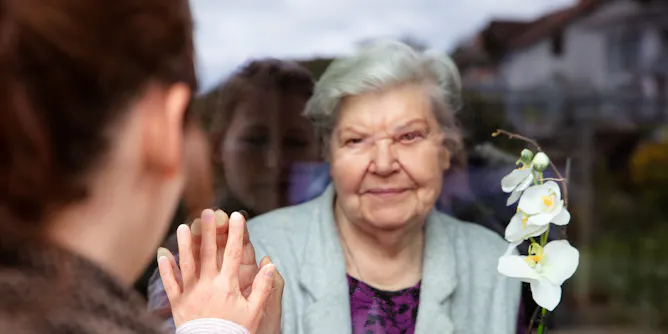
Anxiety and loneliness affect many people at the best of times. The pandemic-induced isolation and stress won’t be helping, but cities can do many things to improve the ‘emotional climate’.
Articles on COVID-19 pandemic
Displaying 301 - 320 of 362 articles

Turning COVID-19 into a political issue doesn’t help the public’s understanding of the disease and what needs to be done. Good things are happening we should feel optimistic about.
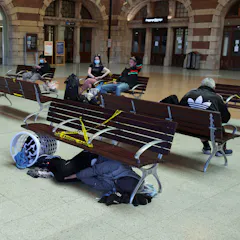
Now is the time for a two-pronged strategy to ensure everyone has a home: a spot-purchasing program to find homes for people now in emergency accommodation, followed by social housing construction.

Since the lockdown in South Africa several jazz musicians have begun to harness online platforms in novel ways.

When resources are drained, people are tired and communities are recovering from trauma, social connection is vital.
As New Zealand prepares to ease its lockdown from April 28, new COVID-19 clusters are likely to emerge – but a combination of testing and contact tracing should be able to stamp out major outbreaks.

Other existential risks include the decline of natural resources (particularly water), human population growth beyond the Earth’s carrying capacity, and nuclear weapons.

We are all finding out about neighbourhood liveability as we stay home for the coronavirus lockdown. What we learn about local strengths and weaknesses can help us improve our communities in future.
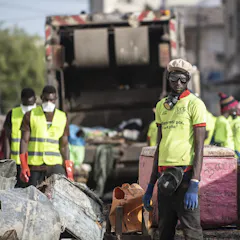
African countries face unique challenges in their efforts to limit the spread of COVID-19, but lessons learned in other regions where the coronavirus has already peaked may be helpful.
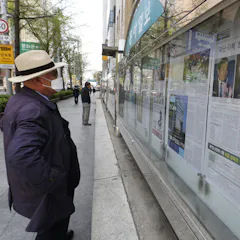
In addition to testing and special facilities for COVID-19 patients, the country’s government-run tracking system allows the health care system to identify infected people and their contacts.
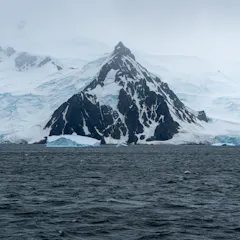
With a threatening virus sweeping the world, research efforts across sectors have ground to a halt. But one thing is clear: the non-scientific community has never valued research more.

Noting nature around you – it could be a glance outside, tending plants, or ‘green’ exercise – will improve your well-being, research shows. The coronavirus pandemic has made it even more important.

It is impossible to anticipate if, how or when COVID-19 might take a loved one. But there are ways to prepare.
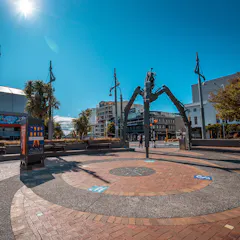
New Zealand will begin easing its national lockdown from next Tuesday, after an extra five days of some of the world’s strictest COVID-19 restrictions. Six NZ experts give their take on the news.

Australians faces an even more unequal future unless post-pandemic housing policy focuses on equity, solidarity and security. .
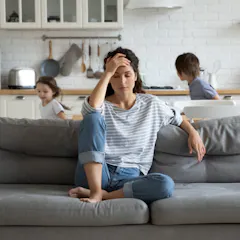
Family stress can go through the roof when managing social isolation or pandemic anxiety. A researcher of parent-child relationships offers practical tips to make time together more enjoyable.
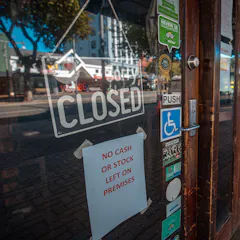
On Monday, New Zealand will announce if it’s ready to relax some of its COVID-19 restrictions – among the strictest in the world. Based on international and local data, I argue it’s time; here’s why.

Until NZ is no longer in a state of emergency, authorities have exceptional powers over people’s lives – from telling people to stay home, to potentially making vaccinations or testing mandatory.
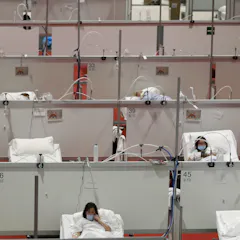
COVID-19 is creating overwhelming needs for intensive care and testing facilities. An Australian team is developing purpose-built units that can be shipped and erected quickly, easily and cheaply.

The federal government wants Australians to sign up to the TraceTogether app, which logs your social interactions via bluetooth. But how much privacy will we sacrifice to combat COVID-19?
Top contributors
-

Professor in Applied Mathematics, University of Canterbury
-
Professor of Public Health, University of Otago
-
Adjunct professor, Te Herenga Waka — Victoria University of Wellington
-
Associate professor, University of Canterbury
-
Professor of Public Health, University of Otago
-
Research assistant, University of Auckland, Waipapa Taumata Rau
-
Research Associate Professor of Public Health, University of Otago
-
Senior Lecturer, University of Auckland, Waipapa Taumata Rau
-
Professor and Director, Mitchell Institute, Victoria University
-
Associate Professor, Epidemiology and Environmental Health, University of Canterbury
-
Assistant Professor of History, University of Pittsburgh
-
University Professor of Sociology, Syracuse University
-
Professor of Biostatistics and Epidemiology, Adelaide University
-
Research scientist in mathematical modelling, Manaaki Whenua - Landcare Research
-
Research scientist, Manaaki Whenua - Landcare Research